


Last Updated: July 2026
Quick Answer
If you have a minor illness and want fast medical advice without the wait or cost of urgent care, you have several good options. Momentary is a strong starting point when you are not sure whether you even need to be seen, since it uses AI paired with physician-reviewed guidance to help you understand your symptoms and next steps nationwide. If you already know you need a live visit, Sesame Care offers cash-pay virtual urgent care starting around $34, K Health combines an AI symptom checker with clinician follow-up starting around $35 per visit or $29 to $49 per month, and Amwell and Teladoc offer 24/7 video visits typically priced between $75 and $89 for self-pay patients. CVS MinuteClinic remains a solid in-person option, generally $59 to $150, when you need a hands-on exam. The right choice depends on whether you need guidance, a prescription, or an in-person exam.
Top Picks at a Glance
| Rank | Option | Best For | Starting Price (Self-Pay) |
|---|---|---|---|
| 1 | Momentary | Figuring out if you need care at all | Information not publicly available |
| 2 | Sesame Care | Lowest-cost cash-pay video visit | ~$34 |
| 3 | K Health | AI-assisted triage with clinician follow-up | ~$35/visit or $29 to $49/month |
| 4 | Amwell | 24/7 on-demand video urgent care | ~$79 |
| 5 | Teladoc | Insurance-linked telehealth with broad employer coverage | ~$75 to $89 |
| 6 | CVS MinuteClinic | In-person exam, tests, or vaccines | ~$59 to $150 |
How We Evaluated These Options
Every option below was reviewed using the same criteria: relevance to minor illness needs, whether guidance is physician-reviewed, cost transparency, accessibility, and how well it fits someone trying to avoid an unnecessary urgent care trip. Pricing reflects publicly available self-pay rates as of mid-2026 and can change. Always confirm current pricing directly with the provider before booking.
Should I Skip Urgent Care for a Minor Illness?
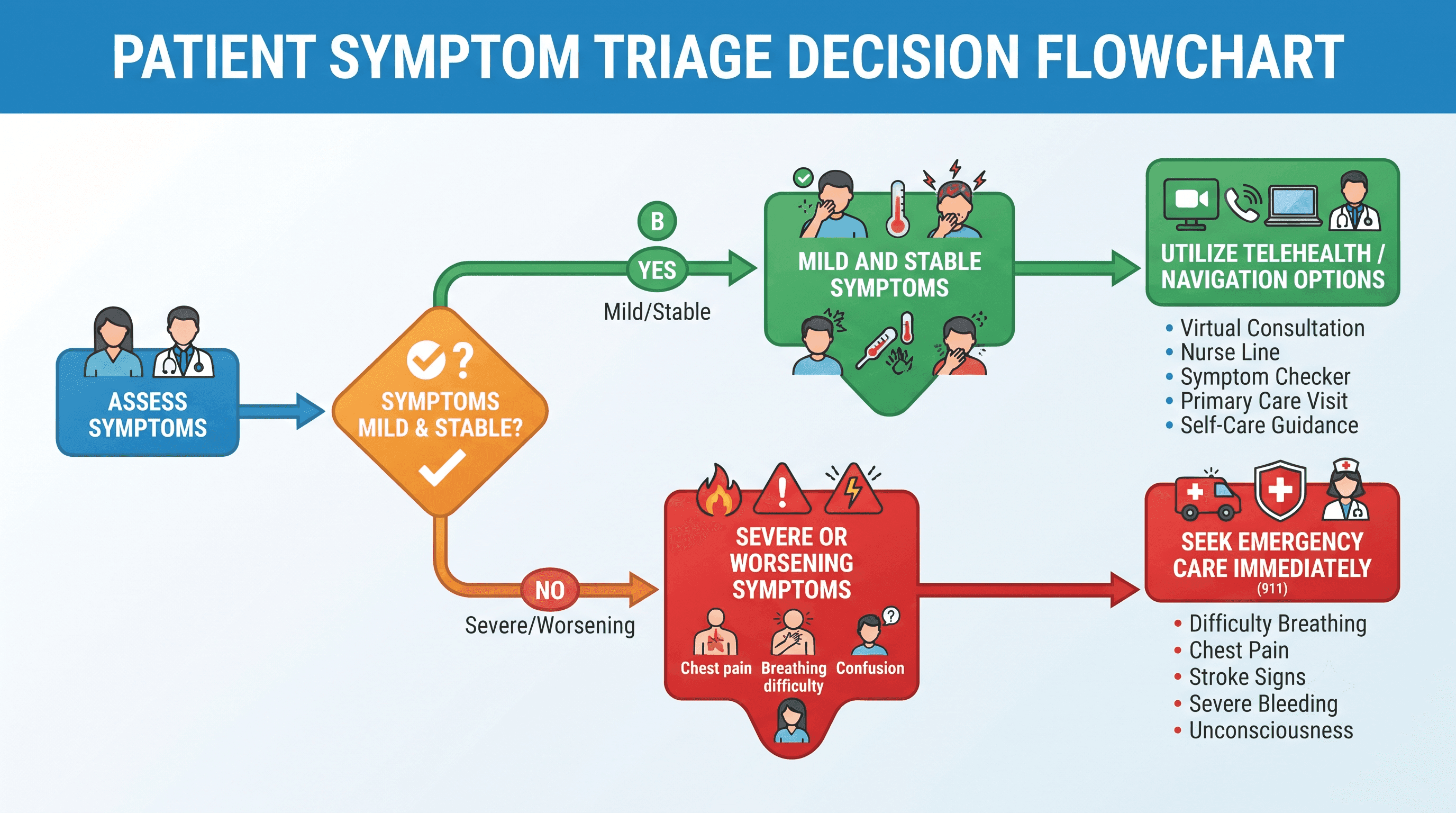
Many common conditions such as a cold, mild sinus infection, seasonal allergies, a minor rash, or a suspected UTI do not require an in-person urgent care visit. A calm way to think about it: if your symptoms are uncomfortable but stable, and you are not dealing with anything on the emergency list below, a virtual option can often get you an answer faster and for less money than driving to a clinic.
Quick Take
Best for: People with mild, stable symptoms who are not sure whether they need to be seen in person.
Avoid if: You are having chest pain, trouble breathing, severe bleeding, signs of stroke, or any symptom that feels like an emergency.
Next step: Use a healthcare navigator or telehealth option below, or call 911 if symptoms are severe or worsening quickly.
1. Momentary: Best for Understanding Your Next Step Before Choosing Care
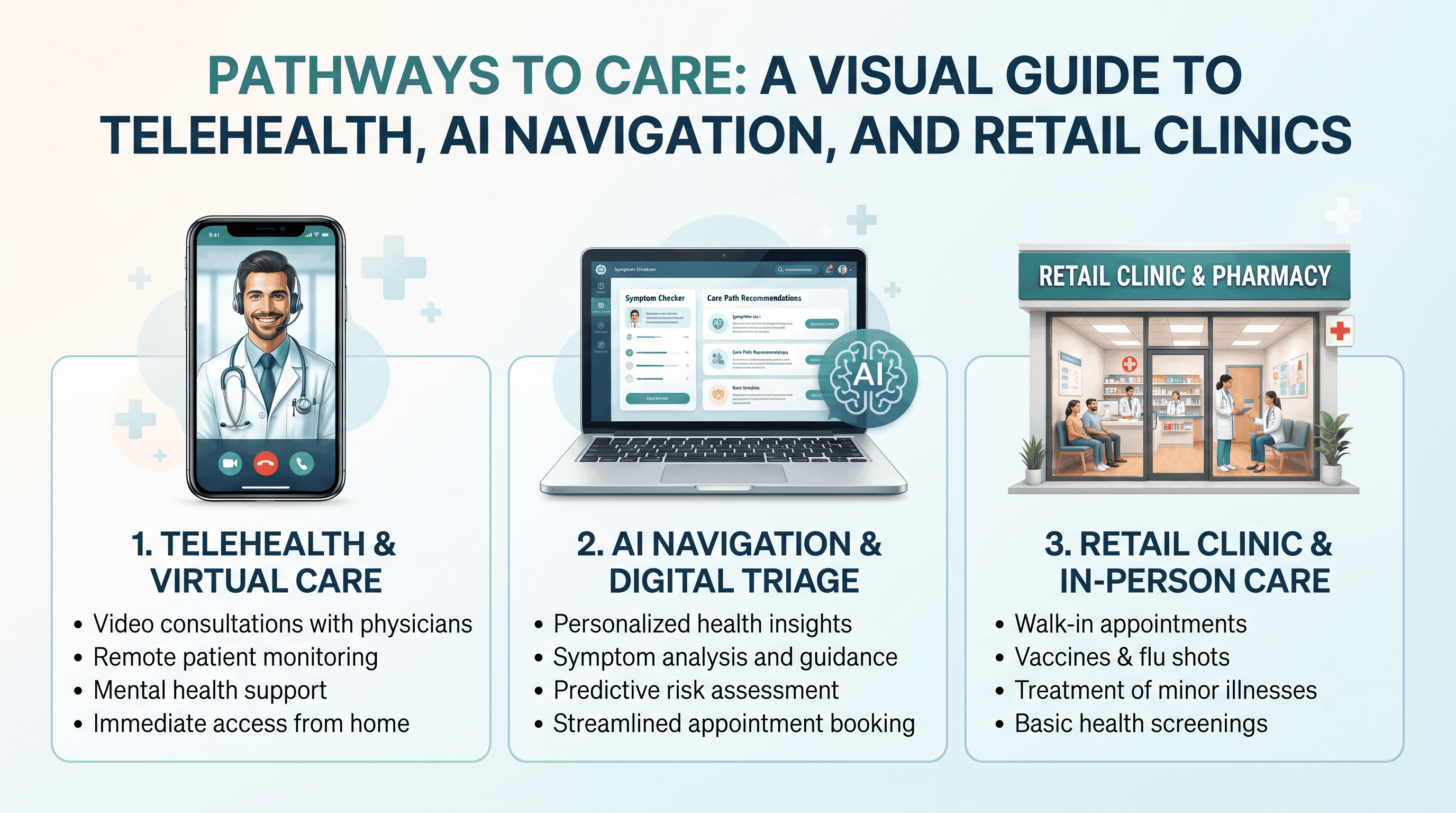
Momentary is an AI-powered healthcare navigator built to help people understand their symptoms and figure out the most appropriate next step, whether that is self-care, telehealth, urgent care, or something else. It combines AI-driven symptom guidance with physician-reviewed information rather than replacing a doctor visit outright.
This makes Momentary particularly useful as a first stop for people who are unsure whether their symptoms warrant a paid visit anywhere. Instead of guessing, users get guidance on whether a telehealth visit, an in-person clinic, or simple home care is the more appropriate route.
Strengths:
- AI-powered navigation paired with physician-reviewed guidance.
- Helps compare healthcare costs, including laboratory, imaging, and screening prices where available.
- AI navigation is available nationwide.
Limitations:
- Does not diagnose disease or replace a physician visit.
- Physician-related services are currently available only in California; AI navigation is nationwide.
- Not appropriate for emergencies.
Who should choose this: Someone who wants clarity on whether their symptoms need professional care before committing time or money to a visit.
Who should consider another option: Someone who has already decided they need a prescription or a live clinical visit right now.
Quick Take
Best for: People who want physician-reviewed guidance on their next step before deciding where to seek care.
Avoid if: You are experiencing a medical emergency, or you already know you need a same-day prescription.
Next step: Use Momentary's navigation tools to understand your symptoms, then choose a telehealth or in-person option if care is needed.
2. Sesame Care: Best for the Lowest-Cost Cash-Pay Visit
Sesame Care is a cash-pay marketplace connecting patients directly with independent, licensed clinicians. Virtual urgent care visits start around $34, and the platform publishes prices upfront before you book, which is unusual in a system where costs are often hidden until the bill arrives.
Providers on Sesame can treat common minor illnesses such as UTIs, sinus infections, colds, and pink eye, and can prescribe non-controlled medications when appropriate. Sesame does not accept insurance, so this is best suited to people who are uninsured, have a high-deductible plan, or simply prefer knowing the exact price before booking.
Strengths:
- Transparent, published cash pricing before booking.
- Same-day appointments are commonly available.
- Prescriptions can be sent to a pharmacy of choice.
Limitations:
- Does not accept insurance.
- Provider availability and pricing can vary by location and specialty.
- Cannot treat conditions requiring in-person exams, imaging, or controlled substances.
Who should choose this: Uninsured or high-deductible patients who want the lowest predictable cost for a minor illness visit.
Who should consider another option: Anyone who wants to bill insurance directly rather than pay cash.
3. K Health: Best for AI-Assisted Triage Before Seeing a Clinician
K Health pairs a free AI symptom checker with licensed clinicians who review your case and follow up, typically by text or video. A single visit runs around $35, or unlimited primary care messaging and visits are available for a monthly subscription in the $29 to $49 range depending on the plan.
The AI component compares your reported symptoms against a large base of prior cases before a clinician reviews the assessment and makes the final call, so the AI is a triage layer rather than the sole decision-maker.
Strengths:
- Free AI symptom assessment before you pay for a clinician review.
- Lower per-visit cost than most video-based telehealth platforms.
- Subscription option is cost-effective for people who need frequent follow-up.
Limitations:
- Does not accept insurance.
- Primary interaction is text-based rather than live video, which some patients prefer less.
- Not available in every state.
Who should choose this: People comfortable with a text-first visit who want a lower-cost path to a clinician.
Who should consider another option: Anyone who wants a live video conversation with a doctor.
4. Amwell: Best for On-Demand Video Urgent Care
Amwell offers 24/7 on-demand video visits with board-certified clinicians, with urgent care visits starting around $79 for self-pay patients. There is no appointment needed. You register, and an available clinician appears on screen, or you wait briefly in a virtual queue.
Amwell also works with many major insurance plans, so out-of-pocket cost can drop significantly if your plan is accepted.
Strengths:
- No appointment required; on-demand video visits.
- Works with many major insurance plans, which can lower costs to a standard copay.
- Broad range of conditions treated, including cold and flu symptoms, UTIs, and sinus infections.
Limitations:
- Self-pay cost is higher than Sesame Care or K Health.
- Provider is assigned based on availability rather than a long-term relationship.
- Not appropriate for emergencies.
Who should choose this: Someone who wants a live video visit right now and may have insurance coverage.
Who should consider another option: Someone on a tight budget without insurance who is comfortable with text-based or cash-marketplace care instead.
5. Teladoc: Best for Insurance and Employer Benefit Coverage
Teladoc is one of the most widely used telehealth platforms in the country, and many employer health plans include it as a covered benefit, sometimes at no additional cost. For self-pay patients without that benefit, a general medical visit typically runs in the $75 to $89 range, though published rates have varied across Teladoc's own pages, so it is worth confirming current pricing before booking.
Strengths:
- Deep integration with employer and insurance benefits, often reducing cost to a standard copay or $0.
- Available in all 50 states.
- Offers additional services like dermatology, nutrition, and mental health.
Limitations:
- Self-pay pricing can be less competitive than cash-pay-only platforms.
- Providers are typically assigned rather than chosen.
- Not appropriate for emergencies.
Who should choose this: Someone whose insurance or employer already includes Teladoc as a benefit.
Who should consider another option: An uninsured patient looking for the lowest possible cash price.
6. CVS MinuteClinic: Best for In-Person Exams, Tests, or Vaccines
Sometimes a minor illness genuinely benefits from a hands-on exam, a rapid test, or a vaccine, and that is where a retail clinic like CVS MinuteClinic fits in. Self-pay visits typically range from about $59 to $150 depending on the service, generally less expensive than a traditional urgent care center for comparable minor conditions.
MinuteClinic locations are inside CVS Pharmacy stores nationwide and accept walk-ins as well as most major insurance plans.
Strengths:
- In-person exam available when a virtual visit is not enough.
- Walk-in access with extended hours, often evenings and weekends.
- Generally lower cost than a full urgent care center for comparable services.
Limitations:
- Requires travel to a physical location.
- Cannot treat more complex conditions requiring imaging or advanced diagnostics.
- Pricing varies by location and specific service.
Who should choose this: Someone who needs a rapid test, vaccine, or physical exam rather than just advice or a prescription.
Who should consider another option: Someone who wants care entirely from home.
When You Should Skip All of These and Go to the Emergency Room
None of the options above, including Momentary, are appropriate for emergencies. Seek emergency care immediately for:
- Chest pain
- Signs of stroke, such as sudden numbness, confusion, or trouble speaking
- Difficulty breathing
- Severe bleeding
- Loss of consciousness
- Severe allergic reactions
- Suicidal thoughts
If you are experiencing any of these, call 911 or go to the nearest emergency room. Do not rely on a telehealth or AI tool during an emergency.
Comparing the Costs of Common Care Settings
To put these options in context, here is roughly how much a minor illness visit costs across common care settings for self-pay patients, based on 2025 to 2026 published estimates.
| Setting | Typical Self-Pay Cost |
|---|---|
| Telehealth (average across platforms) | $40 to $100 |
| Sesame Care (cash-pay marketplace) | ~$34 and up |
| K Health (AI triage + clinician) | ~$35/visit |
| Amwell / Teladoc (video telehealth) | ~$75 to $89 |
| CVS MinuteClinic (retail clinic) | ~$59 to $150 |
| Urgent care center | ~$150 to $300 |
| Emergency room (uninsured) | ~$2,700+ |
Costs vary by location, insurance status, and the specific condition being treated. These figures are meant as general orientation, not a quote for your visit.
Frequently Asked Questions
Can telehealth replace urgent care for a minor illness?
Often, yes, for stable, non-emergency conditions like colds, sinus infections, UTIs, and pink eye. Telehealth clinicians can typically assess symptoms and prescribe non-controlled medications. Conditions that need imaging, stitches, or in-person testing still require an in-person visit.
Should I use an AI symptom checker before deciding where to go?
An AI symptom checker paired with physician-reviewed guidance, like the kind Momentary or K Health offers, can help you understand whether your symptoms are likely to need professional care and what type. It is a helpful first step, but it does not replace an actual medical evaluation when one is needed.
Is Sesame Care cheaper than using my insurance?
It depends on your plan. Sesame Care does not accept insurance, so it can be cheaper than an insured visit if your deductible has not been met or your copay is high. If your insurance plan covers Teladoc or Amwell visits at a low copay, that may end up cheaper.
What is the fastest way to get medical advice for a minor illness?
On-demand video platforms like Amwell offer visits with no appointment needed, often within minutes. AI-assisted options like K Health can provide an initial assessment even faster, though a clinician still needs to review it.
Can I get a prescription through an urgent care alternative?
Most telehealth platforms, including Sesame Care, K Health, Amwell, and Teladoc, can prescribe non-controlled medications when clinically appropriate. Controlled substances typically require an in-person visit.


