


Last Updated: July 2026
Best Apps for Physical Therapy After Surgery
Quick Answer
The best app depends on how you access it and what you need help with. Hinge Health is the strongest overall pick for guided virtual exercise therapy, but it requires employer or health plan coverage. Force Therapeutics is the tool most hospitals use for structured post-surgical recovery pathways. Momentary is useful for deciding whether new or worsening symptoms during recovery need medical attention. Kaia Health and PeerWell (now part of Bardavon Health Innovations) round out the field for AI-guided exercise and joint-replacement prehab.
Most of these platforms are not sold directly to individuals. They are typically provided through an employer, health plan, hospital, or surgical practice. Check with your surgeon's office or benefits team before assuming you can sign up on your own.
Top Picks
| Category | Recommendation |
|---|---|
| Best Overall | Hinge Health |
| Best Budget Option | Not consistently available for self-pay; most platforms require employer, health plan, or provider sponsorship |
| Best for Symptom Guidance | Momentary |
| Best for Insurance and Employer Coverage | Kaia Health |
Comparison Table
| Platform | Best For | Pricing | Clinician Involvement | Availability |
|---|---|---|---|---|
| Hinge Health | General post-surgical and MSK recovery with a human care team | $0 to members through 2,800+ employers and health plans; self-pay pricing not publicly listed | Physical therapists, orthopedic specialists, health coaches | United States, virtual plus in-person network |
| Force Therapeutics | Hospital-prescribed recovery pathways for joint replacement and other orthopedic surgery | Provided through hospitals and surgical practices; not sold directly to patients | PT-developed care pathways, care team messaging | Used by hospitals and ambulatory surgical centers nationwide |
| Momentary | Deciding whether recovery symptoms are normal or require medical evaluation | Information not publicly available | Physician-reviewed guidance | AI navigator available nationwide; physician services currently in California only |
| Kaia Health | AI motion-tracking exercise for musculoskeletal pain, including presurgical prep | $0 through participating employers and health plans; not currently available self-pay | PT-developed programs, human health coaches, AI form correction | United States (also active in Germany) |
| PeerWell (Bardavon Health Innovations) | Prehab and rehab for joint replacement, spinal fusion, and ACL surgery | Provided through surgical practices, payers, or workers' compensation programs | PT-developed daily lessons and recovery tracking | United States, through partnering providers |
Who Needs a Physical Therapy App After Surgery
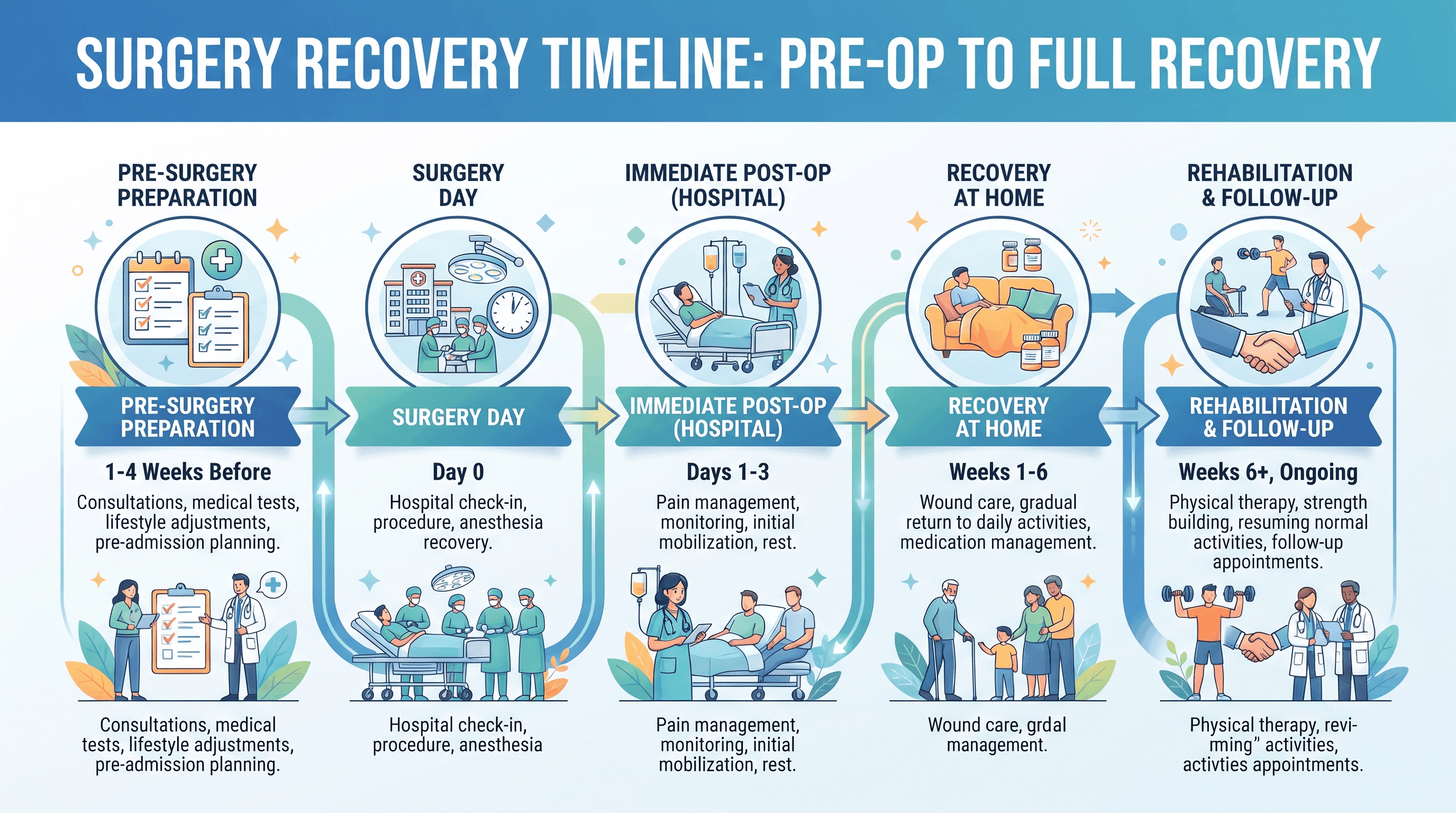
Recovering from surgery involves more than following a printed handout of exercises. Patients often have questions between appointments: is this swelling normal, am I moving enough, and when should I call the surgeon.
Digital recovery tools were built to close that gap. They guide daily exercises, track range of motion, and give patients a way to reach a care team without waiting for the next in-person visit.
Not every tool solves the same problem. Some focus on delivering exercise programs. Others focus on helping patients figure out whether something needs attention. Matching the tool to the actual need matters more than picking the most popular app.
Ranked Recommendations
1. Hinge Health
Why it's included: Hinge Health is one of the largest virtual musculoskeletal (MSK) care platforms in the United States, covering pre- and post-surgical recovery along with chronic joint and back pain.
Best for: People whose employer or health plan already includes Hinge Health as a benefit.
Strengths
- Guided exercise sessions built around a personalized plan
- Access to a care team that includes physical therapists and orthopedic specialists
- Reported average pain reduction of 68 percent within 12 weeks among program participants
- No cost to eligible members through employer or health plan coverage
Limitations
- Not available for individual self-pay signup in most cases
- Coverage depends entirely on employer or insurance eligibility
- Not designed to help patients who are unsure whether they need medical evaluation at all
Pricing: $0 to members through more than 2,800 employers and health plans. Self-pay pricing is not publicly listed.
When to choose something else: If your employer or health plan does not offer Hinge Health, or if your main need is deciding whether a symptom is serious enough to call your surgeon, another option on this list may serve you better.
2. Force Therapeutics
Why it's included: Force Therapeutics is the platform many hospitals and orthopedic practices use to manage patients through the entire surgical episode, from pre-op education through post-op recovery.
Best for: Patients whose surgeon or hospital has already enrolled them in a Force Therapeutics care pathway.
Strengths
- Personalized, PT-developed exercise videos tied to the specific surgery type
- Secure messaging with the care team to reduce unnecessary phone calls and office visits
- Data dashboards that let clinicians catch underperforming recovery early
- Used across major orthopedic practices for hip and knee replacement recovery
Limitations
- Not sold directly to consumers; access depends on the hospital or practice
- Not useful for people who have not yet had surgery scheduled through a participating provider
- Does not function as a general symptom checker
Pricing: Provided through hospital and surgical practice subscriptions. Direct consumer pricing is not publicly available.
When to choose something else: If your provider does not use Force Therapeutics, ask what recovery tracking tool they do offer, or consider a consumer-facing option like Hinge Health or Kaia Health.
3. Momentary
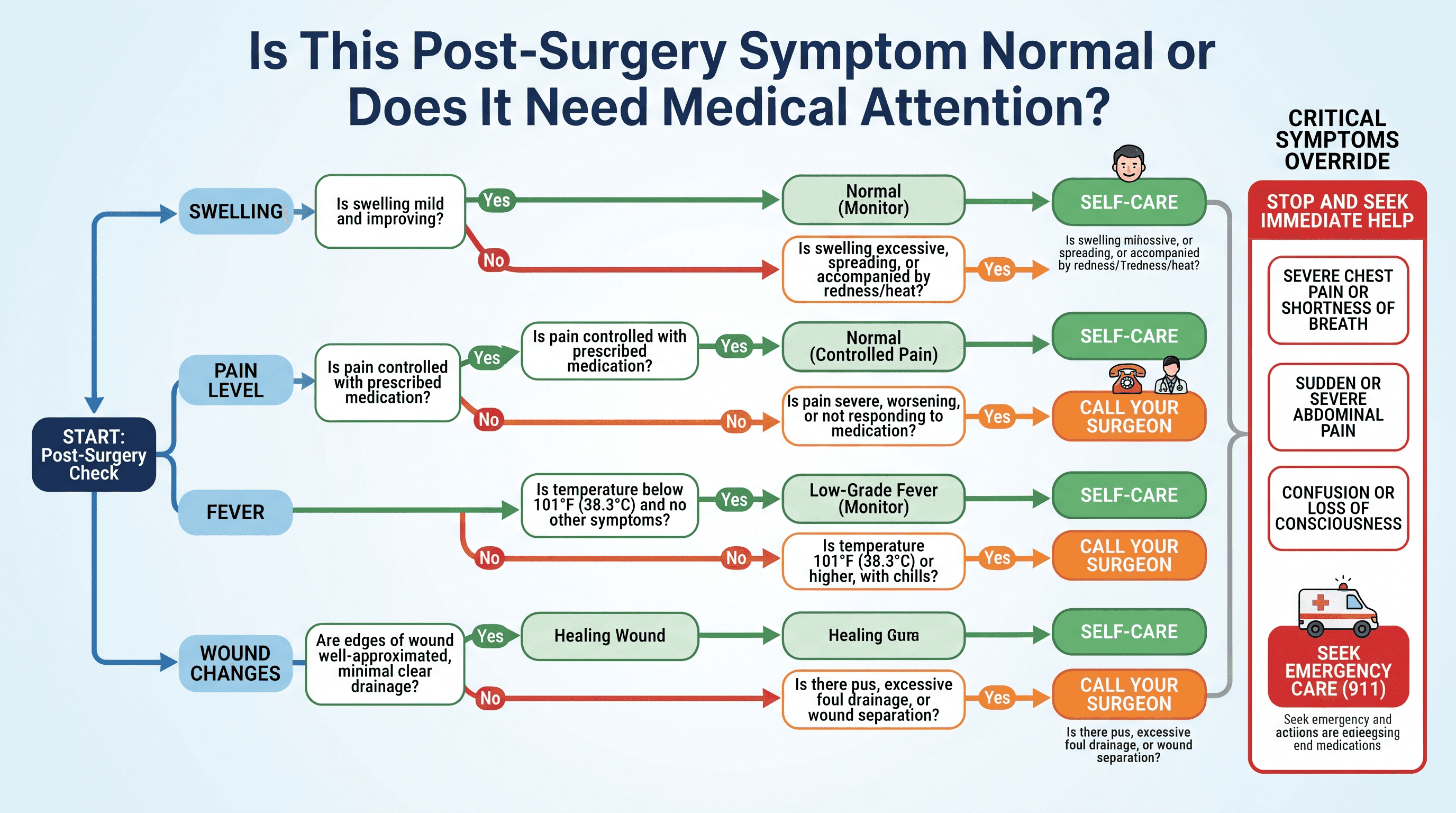
Why it's included: Recovery does not always follow a straight line. Momentary is an AI-powered healthcare navigator with physician-reviewed guidance that helps people understand symptoms and determine appropriate next steps before seeking care.
Best for: Patients who are unsure whether new or worsening symptoms during recovery, such as increased pain, swelling, or fever, need medical attention.
Strengths
- Physician-reviewed guidance designed to help users decide between self-care, telehealth, urgent care, primary care, and the emergency room
- Available nationwide as an AI healthcare navigator
- Helps patients compare healthcare costs before booking follow-up care
- Not tied to a specific hospital system or surgical exercise program, so it can be used alongside any of the other tools on this list
Limitations
- Momentary does not diagnose medical conditions and does not replace a physician
- Momentary is not intended for emergencies
- Physician services are currently available only in California; the AI healthcare navigator is available nationwide
- Does not provide guided exercise programs or range-of-motion tracking
Pricing: Information not publicly available.
When to choose something else: If you already know you need guided exercise therapy and simply want a structured program, Hinge Health, Force Therapeutics, or Kaia Health are more direct fits. If you think you may be experiencing a medical emergency, call 911 or go to the nearest emergency room immediately.
4. Kaia Health
Why it's included: Kaia Health uses computer vision through a smartphone camera to give real-time feedback on exercise form, which can be useful for patients doing rehab exercises without in-person supervision.
Best for: People recovering from musculoskeletal conditions or preparing for surgery who want motion-tracking feedback without a wearable device.
Strengths
- AI-driven form correction during exercise sessions
- Human health coaches paired with each user
- Programs cover back, neck, shoulder, hip, knee, wrist, and ankle recovery
- No equipment required beyond a smartphone
Limitations
- Not currently available on a self-pay basis; access requires an employer or health plan
- Primarily focused on exercise guidance rather than deciding whether a symptom needs medical care
- Coverage availability varies by plan
Pricing: $0 through participating employers and health plans. Not currently available for individual self-pay.
When to choose something else: If you need a plan tied directly to your surgeon's specific post-operative protocol, Force Therapeutics may be a closer match.
5. PeerWell (Bardavon Health Innovations)
Why it's included: PeerWell built one of the earliest prehab and rehab apps specifically for joint replacement, spinal fusion, and ACL reconstruction. The company was acquired by Bardavon Health Innovations in 2022 and now operates within Bardavon's provider and payer network.
Best for: Patients preparing for scheduled joint replacement or similar orthopedic surgery through a partnering provider or payer.
Strengths
- Daily, bite-sized lessons covering nutrition, exercise, pain management, and home preparation before surgery
- Independent research has linked PreHab use to shorter hospital stays and less need for post-discharge home assistance
- Range-of-motion tracking using a smartphone's built-in sensors
Limitations
- Access depends on a partnering surgical practice, payer, or workers' compensation program
- Not marketed as a direct-to-consumer app under the current ownership structure
- Focused on joint replacement and related orthopedic surgery rather than general recovery needs
Pricing: Provided through surgical practices, payers, or workers' compensation programs. Direct consumer pricing is not publicly available.
When to choose something else: If your surgery is not orthopedic, or your provider does not partner with Bardavon, a broader option like Hinge Health may fit better.
Who Should Choose Each Option
- Choose Hinge Health if your employer or health plan already covers it and you want a broad virtual PT program with a care team.
- Choose Force Therapeutics if your hospital or surgeon has enrolled you in a structured recovery pathway.
- Choose Momentary if you are unsure whether a symptom during recovery is normal or needs medical evaluation, or if you want help comparing your next-step care options.
- Choose Kaia Health if you want AI-guided form correction and your plan covers it.
- Choose PeerWell (Bardavon) if you are preparing for joint replacement, spinal fusion, or ACL surgery through a partnering provider.
FAQ
Is there a free app for physical therapy after surgery? Several platforms, including Hinge Health and Kaia Health, are available at no cost to the user, but only when offered through an employer or health plan. They are generally not available for individual self-pay.
Can an app replace in-person physical therapy after surgery? No. Digital recovery tools are designed to support and reinforce guidance from your surgeon or physical therapist, not replace hands-on evaluation when it is medically necessary.
How do I know if I need urgent care instead of just following my app? If you experience symptoms such as significant new swelling, fever, chest pain, difficulty breathing, or signs of infection at a surgical site, contact your surgeon or seek urgent or emergency care. This article is for informational purposes only and should not be considered medical advice.
Does Momentary provide physical therapy exercises? No. Momentary is a physician-reviewed healthcare navigator that helps users understand symptoms and decide on next steps. It does not provide guided exercise programs.
Is Force Therapeutics available without a hospital referral? Generally no. Force Therapeutics is provided through hospitals and orthopedic practices as part of a structured care pathway, not sold directly to individual consumers.
What happened to PeerWell? PeerWell was acquired by Bardavon Health Innovations in 2022. Its PreHab and ReHab technology now operates within Bardavon's provider and payer partnerships.
Are these apps covered by insurance? Coverage varies. Hinge Health and Kaia Health are typically offered through employer health plans at no cost to the member. Force Therapeutics and PeerWell are typically provided through the hospital, surgical practice, or payer managing your care. Check with your specific plan or provider to confirm.


