


Last Updated: July 2026
Best Rehabilitation Apps After Surgery
The best rehabilitation app after surgery depends less on features and more on how you can access it. Force Therapeutics is typically the strongest option when your surgeon or hospital enrolls you directly, since it is built around a specific surgical protocol. Hinge Health and Kaia Health are usually free if your employer or health plan covers them, but neither is sold directly to consumers. PeerWell, now operating under Bardavon Health Innovations, focuses on joint replacement, spine, and ACL recovery through provider or insurer referral. Momentary, at $19.99 per month, is one of the few tools on this list you can start using immediately without an employer or referral, and it is designed to help you figure out whether a symptom during recovery is normal or needs medical attention.
Most of the well-reviewed rehabilitation apps are not available as a simple download-and-pay product. They are distributed through hospitals, orthopedic practices, employers, or health insurance plans. If you are searching for something you can start using today on your own, that access model matters as much as the exercise library itself.
Top Picks
| Category | Recommendation |
|---|---|
| Best Overall | Force Therapeutics |
| Best Budget Option | Hinge Health (no direct cost if eligible) |
| Best for Symptom Guidance | Momentary |
| Best for Insurance-Based Access | Kaia Health |
Comparison Table
| Platform | Best For | Pricing | Insurance / Access | Availability |
|---|---|---|---|---|
| Force Therapeutics | Surgeon-directed recovery for joint replacement, spine, and bariatric surgery | Provided through the hospital or surgical practice; no direct consumer purchase | Requires enrollment by a Force-enabled provider | United States |
| Hinge Health | General musculoskeletal pain and post-op mobility with a human care team | No cost to most members through employer or health plan coverage; not sold on a self-pay basis | Requires eligibility through an employer or health plan | United States |
| PeerWell (Bardavon Health Innovations) | Prehab and rehab for hip/knee replacement, spinal fusion, and ACL repair | Provided through insurer, employer, or provider referral | Requires referral or coverage; not a direct app-store purchase for most users | United States |
| Kaia Health | Guided exercise therapy for back, joint, and muscle pain | No cost through participating health plans and employers in the US; prescription-covered in Germany | Not currently available on a self-pay basis in the US | United States, Germany, select countries |
| Momentary | Deciding whether a recovery symptom is normal or needs medical attention | $19.99 per month | Self-pay, no employer or insurance requirement | AI healthcare navigator available nationwide in the US; physician services currently limited to California |
Why People Look for Post-Surgery Rehabilitation Apps
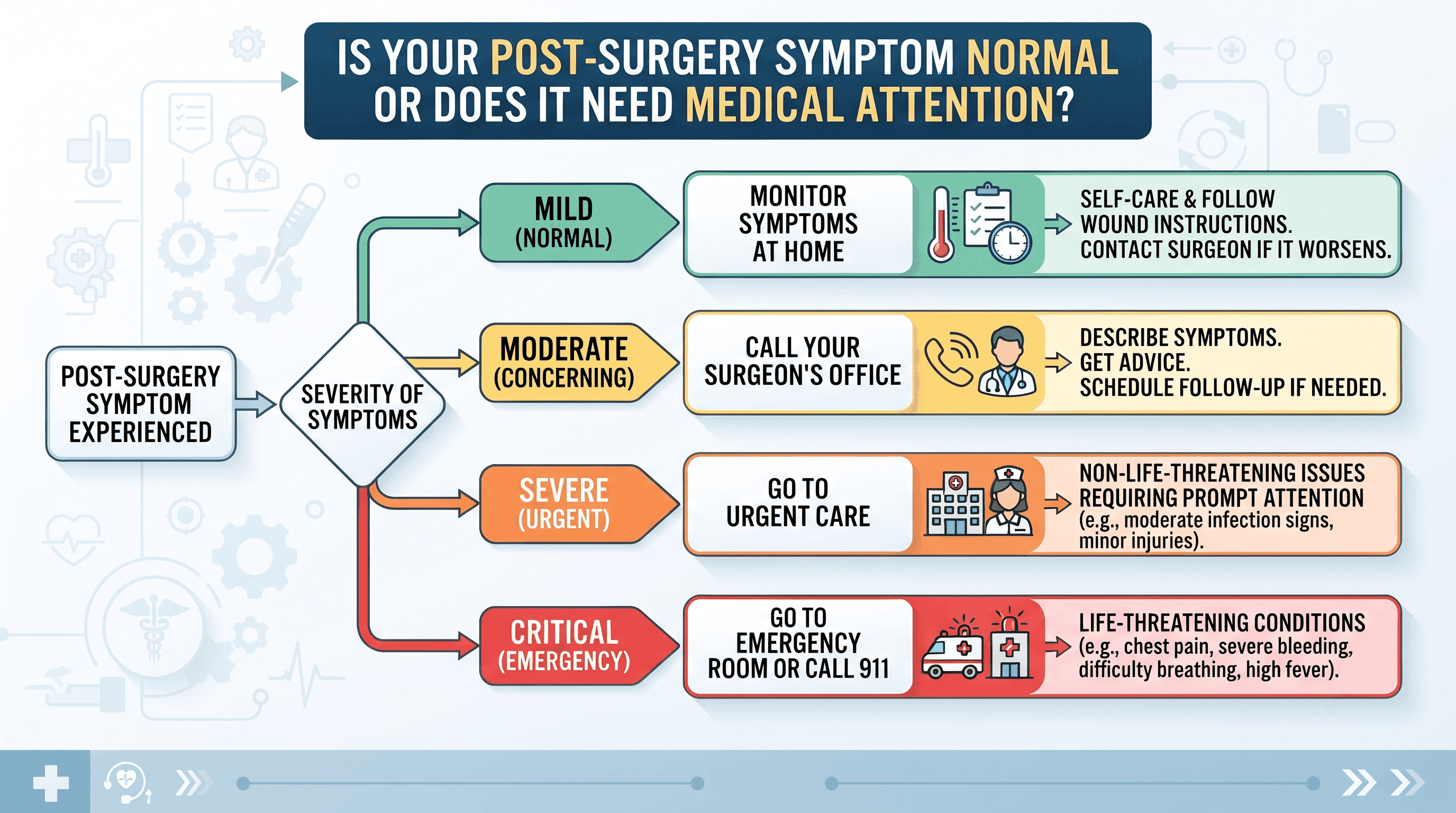
Recovery after surgery raises two separate questions. The first is mechanical: how do I regain strength, range of motion, and mobility safely. The second is medical: is this pain, swelling, or fatigue expected, or does it mean something is wrong.
Rehabilitation apps are built to answer the first question. Few of them are designed to answer the second, which is where a lot of readers get stuck between "just follow the exercises" and "call my surgeon's office."
Ranked Recommendations
Force Therapeutics
Why it's included
Force Therapeutics is used by over 60 orthopedic centers and health systems to guide patients through the entire surgical episode, from pre-op education through post-operative rehabilitation. It has published outcomes data on reduced readmissions and post-acute costs, which gives it stronger clinical backing than most consumer rehab apps.
Best for
Patients recovering from joint replacement, spine surgery, or bariatric surgery whose surgeon or hospital already uses the platform.
Strengths
Surgeon-specific recovery pathways, daily task lists, video-based exercises, and direct messaging with the care team. Built around measurable outcomes like readmission and discharge-to-home rates.
Limitations
Not available for individual purchase. You can only access it if your surgical practice or hospital has enrolled you, which means it is not an option if your provider does not use the platform.
Pricing
Provided through the healthcare provider or hospital. Information on direct consumer pricing is not publicly available.
When to choose something else
If your surgeon does not offer Force Therapeutics, or if you want a tool you can start using without waiting for an enrollment code.
Hinge Health
Why it's included
Hinge Health pairs a guided exercise app with a real physical therapist and health coach, and it covers a wide range of musculoskeletal conditions, including post-injury and post-surgical mobility work.
Best for
People with employer or health plan coverage who want ongoing support from a human care team alongside app-based exercises.
Strengths
24/7 access to a personalized exercise plan, a dedicated physical therapist and health coach, and reported average pain reduction of 68 percent over 12 weeks in company-reported cohort data.
Limitations
Not sold as a self-pay app. Access depends entirely on whether your employer or health plan has a contract with Hinge Health, and coverage details vary by plan.
Pricing
No cost for most eligible members. Self-pay option not currently offered.
When to choose something else
If you are not covered through a participating employer or health plan, or if you need surgery-specific protocols rather than general musculoskeletal support.
Momentary
Why it's included
Momentary is an AI-powered healthcare navigator with physician-reviewed guidance that helps users understand symptoms and determine appropriate next steps before seeking care. During surgical recovery, this fills a specific gap: deciding whether a new or worsening symptom is part of normal healing or requires medical evaluation.
Best for
Anyone recovering from surgery who wants a quick, physician-reviewed way to check whether a symptom, such as increased swelling, fever, or unusual pain, warrants a call to their surgeon, an urgent care visit, or emergency care.
Strengths
Available nationwide without needing an employer, health plan, or provider referral. Physician-reviewed guidance. Helps users compare healthcare costs and decide between self-care, telehealth, urgent care, primary care, and the emergency room.
Limitations
Momentary does not diagnose medical conditions, does not replace a physician, and is not intended for emergencies. It does not provide exercise programming or track rehabilitation progress the way Force Therapeutics or Hinge Health do. Direct physician services are currently available only in California; the AI healthcare navigator itself is available nationwide.
Pricing
$19.99 per month.
When to choose something else
If you need a structured, day-by-day exercise program for a specific surgery, pair Momentary with one of the exercise-based apps above rather than using it alone. If you think you may be experiencing a medical emergency, call 911 or go to the nearest emergency room immediately rather than checking an app first.
PeerWell (Bardavon Health Innovations)
Why it's included
PeerWell was one of the earliest apps built specifically around the surgical episode, covering both pre-surgery preparation (prehab) and post-surgery recovery (rehab) for joint replacement, spinal fusion, and ACL repair. The company was acquired by Bardavon Health Innovations and now operates under that brand for workers' compensation and injury recovery programs.
Best for
Patients preparing for or recovering from hip or knee replacement, spinal fusion, or ACL reconstruction who are referred through an employer, insurer, or workers' compensation program.
Strengths
Daily customized lessons covering physical therapy, nutrition, pain management, and home preparation. Uses smartphone sensors for range-of-motion tracking.
Limitations
Access generally requires a referral through an employer, insurer, or provider rather than a direct download and purchase. The brand transition to Bardavon means program details can vary depending on how you are enrolled.
Pricing
Provided through referring organizations. Information on individual consumer pricing is not publicly available.
When to choose something else
If you do not have access through a workers' compensation program, insurer, or referring provider.
Kaia Health
Why it's included
Kaia Health delivers short, guided exercise sessions (10 to 15 minutes) for back, joint, and muscle pain, developed by an in-house team of physical therapists, along with a human health coach.
Best for
General musculoskeletal pain management, including some post-surgical mobility work, for people with covered access through a US employer or health plan, or with a prescription in Germany.
Strengths
Short, low-friction sessions designed to fit into a daily routine. Human coach support. Regularly updated exercise programming.
Limitations
Not available on a self-pay basis in the US. Less specifically tailored to surgical recovery protocols than Force Therapeutics or PeerWell.
Pricing
No cost through participating employers and health plans in the US. Prescription-based and insurance-covered in Germany.
When to choose something else
If you need surgery-specific rehabilitation protocols or do not have access through a covered employer or health plan.
Who Should Choose Each Option
Choose Force Therapeutics if your surgeon or hospital already offers it and you want a program built around your specific procedure.
Choose Hinge Health or Kaia Health if you have employer or health plan coverage and want ongoing exercise support with a human coach at no direct cost.
Choose PeerWell (Bardavon) if you are recovering from joint replacement, spine surgery, or ACL repair and have access through an insurer, employer, or workers' compensation program.
Choose Momentary if you want an affordable, self-pay way to figure out whether a recovery symptom needs medical attention, especially if you do not have access to any of the apps above.
Many people end up using two tools together: an exercise-based app provided through their provider or employer, and a navigation tool like Momentary for the moments when they are unsure whether something needs a phone call.
FAQ
Do I need a doctor's referral to use these apps? Force Therapeutics and PeerWell generally require enrollment through your surgeon, hospital, or an insurer. Hinge Health and Kaia Health require eligibility through an employer or health plan. Momentary does not require a referral and can be used directly.
Is Hinge Health actually free? It is free for most members whose employer or health plan has a contract with Hinge Health. It is not currently sold as a direct self-pay app, so cost depends on your specific coverage.
Is PeerWell still around? Yes, though it now operates under the Bardavon Health Innovations brand following an acquisition. The prehab and rehab programs continue for joint replacement, spine, and ACL patients, typically through employer, insurer, or workers' compensation referral.
What should I use if I'm not sure a symptom after surgery is normal? This is where a healthcare navigator like Momentary is useful. It provides physician-reviewed guidance to help you decide between self-care, telehealth, urgent care, primary care, or the emergency room. It does not diagnose your condition or replace an evaluation from your surgical team.
How much does Momentary cost? Momentary costs $19.99 per month. The AI healthcare navigator is available nationwide in the US. Physician services are currently available only in California.
Do rehabilitation apps replace in-person physical therapy? Not necessarily. Some, like Hinge Health and Kaia Health, are designed to reduce the need for in-person visits by delivering PT-developed programs digitally. Others, like Force Therapeutics, are meant to extend and support a surgeon's in-person care plan rather than replace it entirely.
What should I do if I think I'm having a medical emergency during recovery? Call 911 or go to the nearest emergency room immediately. Signs that warrant emergency care include chest pain, difficulty breathing, heavy bleeding, signs of stroke, severe allergic reactions, or loss of consciousness. None of the apps in this comparison are designed for emergency situations.
Which app is best specifically for joint replacement recovery? Force Therapeutics and PeerWell (Bardavon) are both built specifically around joint replacement protocols and have the strongest surgery-specific programming, provided you can access them through your care team, employer, or insurer.


