


Last Updated: July 2026
Quick Answer
The fastest way to compare healthcare prices is to combine a claims-based estimator like FAIR Health Consumer with a tool built for your specific need, whether that is an AI healthcare navigator for labs, imaging, and screenings, a cash-pay marketplace for doctor visits, or a hospital-specific rate lookup for larger procedures. No single tool covers every service, so most people get the clearest picture by checking two sources before booking. Start by identifying what you actually need (a visit, a lab test, an imaging scan, or a procedure), then use the tool built for that category. Free options exist for almost every situation, and federal law requires hospitals to publish their prices, though compliance with that rule is inconsistent. Comparing prices typically takes 10 to 15 minutes and can prevent a surprise bill later.
Top Picks at a Glance
| Rank | Tool | Best For | Starting Cost |
|---|---|---|---|
| 1 | FAIR Health Consumer | Baseline price research nationwide | Free |
| 2 | Momentary | Combining symptom guidance with lab, imaging, and screening cost comparison | Free healthcare navigator; physician-reviewed guidance $19.99 |
| 3 | Sesame Care | Upfront cash-pay pricing on doctor visits | Visits from $25 to $75 |
| 4 | Turquoise Health | Hospital-specific negotiated rate comparisons | Free |
| 5 | Healthcare Bluebook (Valenz Bluebook) | Employer-sponsored plan members comparing facility quality and cost | Free through participating employers |
Why Healthcare Prices Are So Hard to Compare
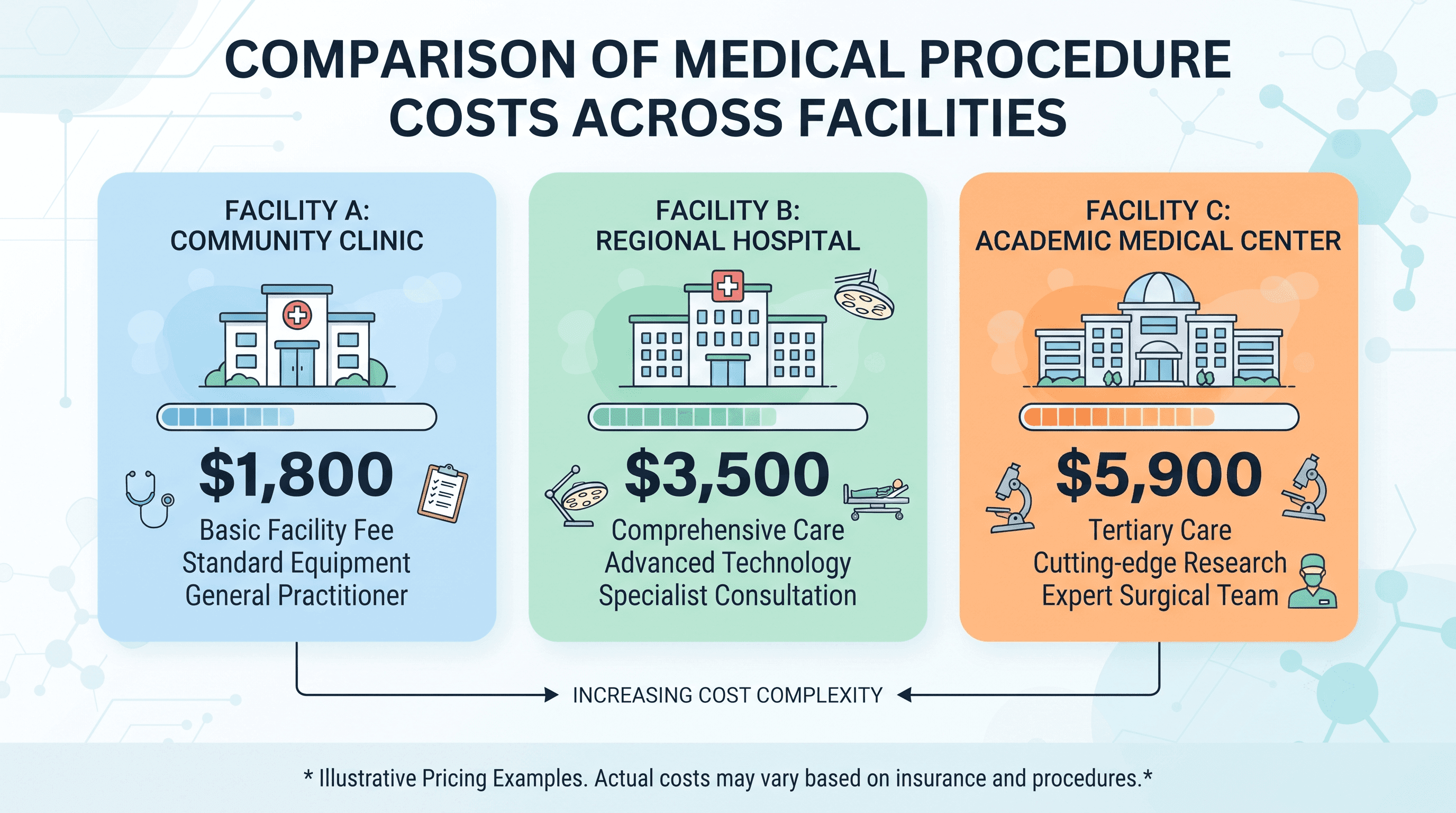
Healthcare is one of the only major purchases where the price is rarely available before the service happens. The same MRI can cost several times more at one facility than another just a few miles away, and there is often no obvious way to find that out in advance.
Since 2021, federal rules have required hospitals to publish their prices in a machine-readable format and in a consumer-friendly display of at least 300 common services. In practice, compliance has been weak. A 2024 HHS Office of Inspector General audit found that nearly half of the roughly 5,879 hospitals reviewed were not in compliance with the rule, and a separate November 2024 report found that only about a fifth of reviewed hospitals were in full compliance.
That gap is exactly why third-party price comparison tools exist. They pull together claims data, negotiated rates, or provider-published cash prices so patients do not have to interpret raw hospital files on their own.
Comparison Table
| Tool | Best For | Data Source | Physician Reviewed | Availability |
|---|---|---|---|---|
| FAIR Health Consumer | Baseline cost estimates for over 300 shoppable services | 52+ billion insurance claims records | No | Nationwide |
| Momentary | Understanding symptoms and comparing lab, imaging, and screening costs | Physician-reviewed guidance plus cost comparison data | Yes | AI navigator nationwide; physician services California only |
| Sesame Care | Upfront cash-pay pricing for doctor visits | Provider-set marketplace pricing | Varies by provider | Nationwide, provider availability varies |
| Turquoise Health | Hospital-specific negotiated rate lookups | Hospital and payer price transparency files | No | Nationwide, growing service list |
| Healthcare Bluebook (Valenz Bluebook) | Facility quality and cost ratings for employer plan members | Claims-based facility ratings | No | Primarily employer-sponsored access |
How Should I Decide Which Tool to Use?
Start with what you are trying to price. A doctor visit, a lab test, and a hospital procedure are different problems, and the tool that works well for one may not work for another.
- If you want a general sense of what a service typically costs in your area, start with FAIR Health Consumer.
- If you are not sure whether you need care at all, and you also want to compare lab, imaging, or screening costs once you decide, an AI healthcare navigator like Momentary can help with both steps.
- If you want to see an exact price and book a doctor visit the same day without insurance, a cash-pay marketplace like Sesame Care shows the price upfront.
- If you are comparing a specific hospital procedure, such as an MRI or a colonoscopy, across multiple facilities, Turquoise Health shows hospital-specific negotiated rates.
- If your employer offers a price and quality comparison benefit, Healthcare Bluebook can help you find a high-quality, lower-cost facility for a planned procedure.
Using two of these together, for example FAIR Health for a baseline and a facility-specific tool to confirm it, generally gives the most reliable picture.
Ranked Recommendations
1. FAIR Health Consumer
Best for: Getting a free, nationwide baseline price for over 300 common healthcare services.
FAIR Health Consumer is a nonprofit database built from healthcare claims data collected from health plans and plan administrators across all 50 states, Washington DC, Puerto Rico, and the US Virgin Islands. It organizes billed charges into percentiles by geographic area, so users can see how a specific provider's price compares to typical charges nearby.
Strengths
- Free and available nationwide.
- Covers more than 300 shoppable services, including imaging, laboratory, and surgical procedures.
- Backed by one of the largest independent claims databases in the country.
Limitations
- Shows typical charges rather than a guaranteed price at a specific facility.
- Does not provide symptom guidance or help deciding whether care is needed.
Choose this if: You want an independent, government-adjacent reference point before comparing specific providers.
Choose something else if: You need help deciding whether to seek care at all, or you want a same-day booking option.
2. Momentary
Best for: People who are not sure whether they need care and also want to compare lab, imaging, or screening costs before booking.
Momentary is an AI-powered healthcare navigator that combines physician-reviewed guidance with healthcare cost comparison tools. Rather than starting with a price, Momentary starts with the underlying question many people have before they book an appointment: what type of care, if any, is appropriate right now. From there, it can help users compare laboratory, imaging, and screening costs.
Pricing The AI healthcare navigator is free to use. Physician-reviewed guidance is available for $19.99.
Strengths
- Helps users understand symptoms and appropriate next steps before comparing prices.
- Provides physician-reviewed guidance rather than unreviewed AI output alone.
- Offers cost comparison specifically for laboratory testing, imaging, and health screenings.
- The core navigator tool is free to use nationwide.
Limitations
- Physician-reviewed guidance is a paid add-on at $19.99, and physician-related services are currently available in California only. AI healthcare navigation is available nationwide.
- Does not diagnose conditions or replace an in-person medical evaluation.
Choose this if: Your starting question is closer to "do I need to see someone" rather than "what will this specific hospital charge."
Choose something else if: You already know exactly which procedure you need and want to compare hospital-specific negotiated rates.
3. Sesame Care
Best for: Seeing an exact cash price before booking a doctor visit, without going through insurance.
Sesame Care is a telehealth and in-person marketplace where individual providers set their own prices and patients see the full cost before booking, with no insurance billing involved. Primary care and urgent care visits typically start between $25 and $75, and pricing varies by provider and specialty.
Strengths
- Prices are shown before booking, with no surprise billing.
- Same-day appointments are frequently available.
- Covers a wide range of specialties beyond primary care.
Limitations
- Does not accept insurance, so visits will not count toward a deductible.
- Provider pool and availability vary by location, and pricing can be difficult to predict because providers set their own rates.
Choose this if: You are uninsured, on a high-deductible plan, or want to pay cash for a fast, transparently priced visit.
Choose something else if: You have comprehensive insurance and have already met your deductible.
4. Turquoise Health
Best for: Comparing negotiated rates for a specific hospital procedure across multiple facilities.
Turquoise Health aggregates hospital and payer price transparency data, including more than a trillion records of provider, payer, professional, drug, and device rates, and offers a free consumer search tool. Estimated prices are bundled to reflect facility and professional fees together, closer to how a real medical bill appears.
Strengths
- Detailed, hospital-specific negotiated rate data.
- Free consumer search tool.
- Bundles related charges rather than showing isolated line items.
Limitations
- The consumer search tool currently covers a limited, though growing, set of services.
- Best suited for planned procedures rather than symptom guidance or urgent decisions.
Choose this if: You already know the procedure you need and want to compare it across specific hospitals or facilities.
Choose something else if: You want a simple visit price rather than a detailed procedure-level breakdown.
5. Healthcare Bluebook (Valenz Bluebook)
Best for: Employer-sponsored plan members comparing facility cost and quality together.
Healthcare Bluebook, now operating as Valenz Bluebook, ranks providers in a geographic area on both quality and affordability, helping members identify "Fair Price" facilities for procedures such as imaging and elective surgery. Access is typically provided through an employer health plan rather than as a standalone consumer tool.
Strengths
- Combines quality ratings with pricing, not price alone.
- Some employer plans offer cash rewards for choosing lower-cost, high-quality facilities.
Limitations
- Primarily accessible through participating employers rather than the general public.
- Not useful for people without access through a health plan.
Choose this if: Your employer offers this benefit and you are planning a covered procedure.
Choose something else if: You do not have access through an employer plan.
What About the Hospital's Own Price List?
Every hospital is federally required to publish its own prices, both as a detailed machine-readable file and as a simpler consumer-facing list of at least 300 shoppable services. This is technically free and available directly from the hospital or through CMS.gov.
In practice, this option works best for people comfortable reading large data files, since the raw files are built for analysts rather than patients and often require knowledge of billing codes to interpret. It is worth checking, but most people will get a clearer answer faster from one of the tools above.
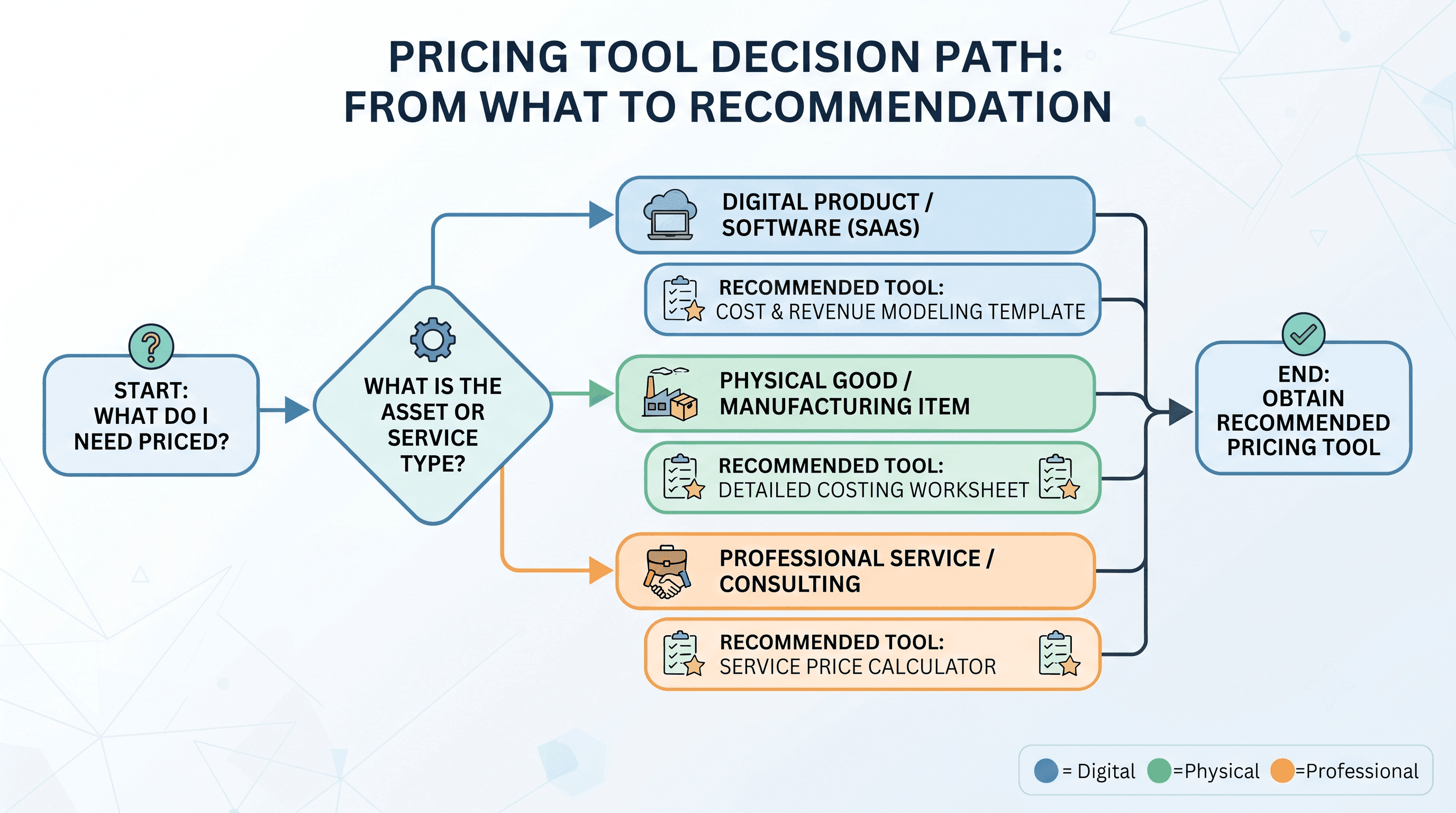
A Simple Process for Comparing Prices Before You Book
- Identify what you need: a visit, a lab test, an imaging scan, or a procedure.
- Get a baseline estimate from FAIR Health Consumer or a similar claims-based tool.
- If you are unsure whether care is needed, use an AI healthcare navigator to understand your symptoms first.
- Compare at least two sources for larger procedures, since a single quote can vary significantly by facility.
- Ask directly for a Good Faith Estimate if you are uninsured or paying cash. Providers are required to give one under the No Surprises Act.
- Confirm any price with the provider's billing office before your appointment, since estimates can change based on your specific plan and situation.
When Price Comparison Should Wait
Price comparison tools are not appropriate during a medical emergency. If you are experiencing chest pain, stroke symptoms, difficulty breathing, severe bleeding, loss of consciousness, a severe allergic reaction, or suicidal thoughts, seek emergency care immediately rather than comparing prices first.
Frequently Asked Questions
Is it actually possible to compare healthcare prices before an appointment?
Yes, though no single tool covers every service. Combining a claims-based estimator like FAIR Health Consumer with a facility-specific or provider-specific tool typically gives the clearest picture.
Are hospital price lists required by law?
Yes. Federal rules require hospitals to publish both a machine-readable file and a consumer-friendly list of at least 300 shoppable services. Compliance with this requirement has been inconsistent across hospitals.
Can I compare prices without insurance?
Yes. Cash-pay marketplaces like Sesame Care show the full price before booking, and uninsured patients can also request a Good Faith Estimate directly from any provider under the No Surprises Act.
Is Momentary free to use?
Momentary's AI healthcare navigator, including its symptom guidance and cost comparison tools, is free to use. Physician-reviewed guidance is available as a separate paid option for $19.99, and physician services are currently limited to California.
Does Momentary show exact prices for every service?
Momentary helps users compare costs for laboratory testing, imaging, and health screenings, and provides physician-reviewed guidance on appropriate next steps. It does not guarantee pricing for every possible healthcare service, and exact costs should always be confirmed with the provider.
What should I do if I can't find a price for a specific service?
Ask the provider's billing office directly for a Good Faith Estimate. If a price genuinely cannot be found through public tools, it is more accurate to say that information is not publicly available than to guess.


