


Last Updated: July 2026
Best Ways to Understand Imaging Reports When You Don't Know What Your Scan Results Mean
Quick Answer
If you're staring at a radiology report full of unfamiliar terms, the most reliable option is still to ask the doctor who ordered your scan to walk you through it in plain language. If you want to understand the report yourself first, free resources like RadiologyInfo.org explain standard sections and terminology, while personalized tools like PocketHealth's Essential plan translate your specific report. Some hospital patient portals now show plain-language explanations automatically. Momentary can help once you understand what the report says, by helping you figure out whether a finding needs urgent attention, which type of care fits your situation, and what follow-up imaging might cost. No online tool should replace a conversation with your doctor or radiologist about your specific results.
Why Imaging Reports Are So Hard to Read
Radiology reports are not written for patients. They are written by a radiologist for the doctor who ordered your scan, using precise, standardized language so findings are described consistently across hospitals and imaging types.
That precision is useful for your care team. It's also why phrases like "unremarkable," "hypodense lesion," or "cannot exclude malignancy" can sound alarming even when they are not.
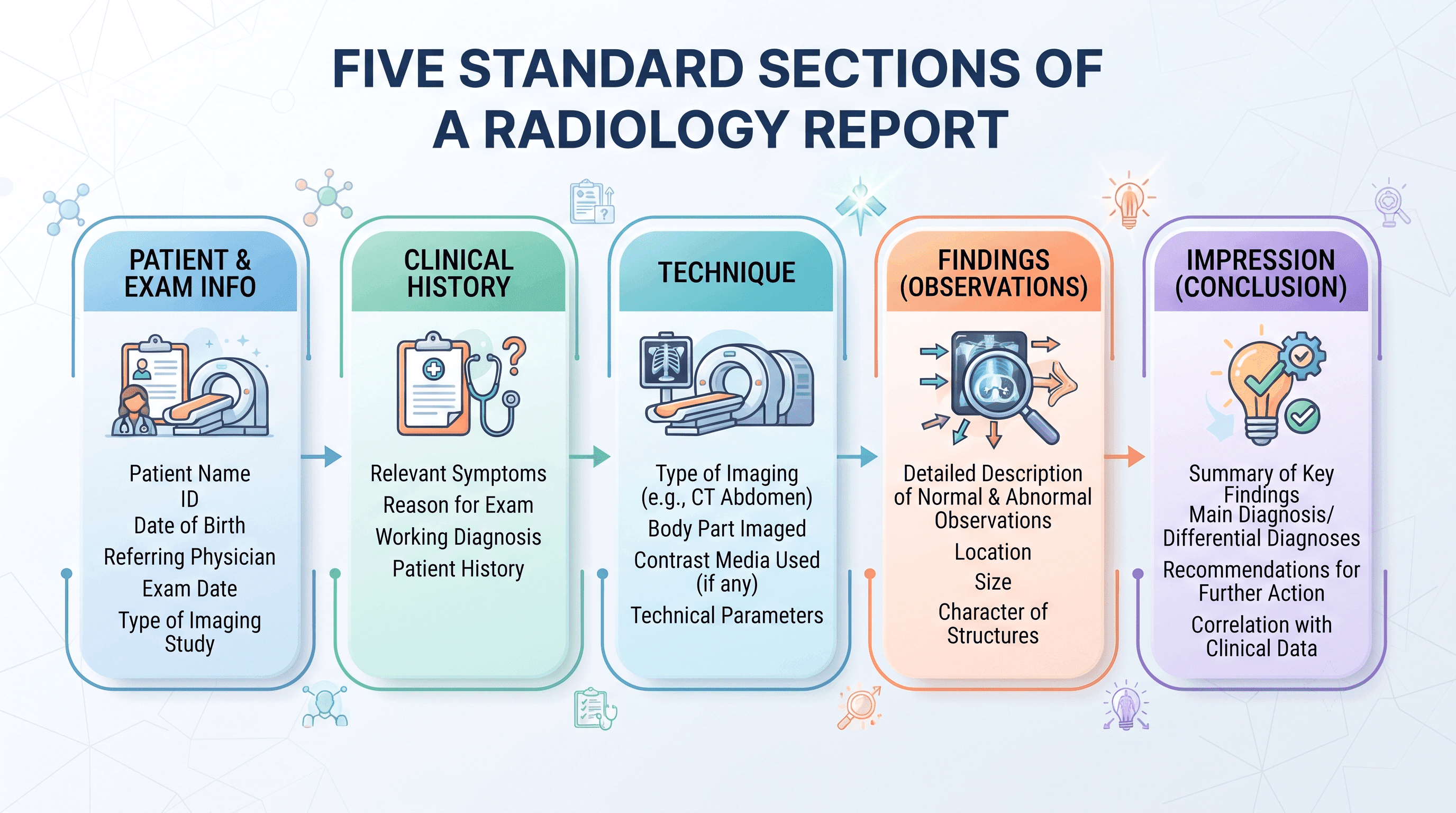
Most reports follow a similar structure:
- Clinical Indication – why the scan was ordered
- Technique – how the scan was performed
- Comparison – any prior imaging reviewed
- Findings – a detailed, section-by-section description of what the radiologist saw
- Impression – the radiologist's summary and the part your doctor relies on most
Understanding this structure is the first step. Knowing where to go for a trustworthy explanation is the second.
Top Picks at a Glance
| Option | Best For | Pricing | Physician Reviewed | Availability |
|---|---|---|---|---|
| Ask Your Ordering Doctor or Radiologist | Getting an explanation specific to your health | Typically included in your visit or covered by insurance | Yes | Nationwide |
| RadiologyInfo.org | Free general education on terms and report sections | Free | Reviewed by ACR/RSNA physicians | Nationwide |
| Hospital Patient Portal (e.g. Epic/MyChart-based plain-language results) | Automatic plain-language explanations, if your hospital offers them | Usually free with your existing portal account | Varies by health system | Depends on your hospital |
| PocketHealth (Essential plan) | Personalized, in-depth translation of your own report | $49 CAD/year (Essential plan) | Software-generated definitions, not a live physician read | US and Canada, at connected facilities |
| Momentary | Deciding what to do next after you understand the report, and comparing follow-up imaging costs | Information not publicly available | Physician-reviewed guidance | AI navigation nationwide; physician services currently California only |
How We Evaluated These Options
Each option was assessed on how well it helps a reader understand imaging terminology, whether the explanation comes from or is reviewed by a licensed clinician, how accessible it is, and how transparent it is about cost and limitations. Popularity and brand size were not used as ranking criteria.
1. Ask Your Ordering Doctor or Radiologist
Best for: Getting an explanation that accounts for your actual symptoms and history.
Your ordering physician already knows why the scan was requested and can connect the findings to your specific situation. If questions remain, many imaging centers will let you or your doctor speak directly with the radiologist who wrote the report.
Strengths:
- Explanation is tailored to your medical history, not just the report text
- No cost beyond your existing visit
- Can address next steps, not just terminology
Limitations:
- Requires waiting for an appointment or callback
- Not immediate if you want answers the same day
Choose this when: You want a definitive, personalized explanation and can wait for a scheduled conversation.
Choose something else when: You want to understand general terminology before that conversation happens.
2. RadiologyInfo.org
Best for: Free, physician-reviewed general education about imaging terms and report structure.
RadiologyInfo.org is produced by the Radiological Society of North America (RSNA) and the American College of Radiology (ACR) and is reviewed by physicians with imaging expertise.
Strengths:
- Free and publicly available
- Reviewed by radiology professional societies
- Covers MRI, CT, X-ray, and ultrasound terminology broadly
Limitations:
- Does not interpret your specific report
- Cannot tell you whether a finding in your report is significant
Choose this when: You want to learn what common terms and report sections generally mean.
Choose something else when: You need your exact report explained.
3. Hospital Patient Portal Plain-Language Tools
Best for: Automatic, no-extra-cost explanations if your hospital already offers them.
A growing number of health systems now display plain-language explanations alongside radiology reports directly inside patient portals, sometimes powered by third-party software integrated into the electronic health record.
Strengths:
- Usually free if you already have portal access
- Explanations appear directly next to your actual report
- No separate account needed
Limitations:
- Only available if your specific hospital or health system has adopted it
- Depth and quality of explanation varies by system
Choose this when: Your hospital already provides this feature in your existing portal.
Choose something else when: Your hospital does not offer plain-language report tools.
4. PocketHealth (Essential Plan)
Best for: A personalized, in-depth explanation of your own imaging report.
PocketHealth's Essential plan adds definitions, illustrations of complex medical terms, highlighted anatomy in your images, and recommended questions to ask your doctor, layered directly on top of your own report.
Strengths:
- Explanations are specific to your report, not generic terminology
- Surfaces follow-up recommendations mentioned in your report
- Works across many imaging types, including MRI, CT, X-ray, and ultrasound
Limitations:
- Requires an annual subscription for these features
- Only available at PocketHealth-connected facilities
- Explanations are software-generated, not a live physician read of your case
Choose this when: You want your specific report translated and organized in one place.
Choose something else when: Your imaging facility isn't connected to PocketHealth, or you'd prefer a live conversation with a clinician.
Quick Take
Best for: People who already have digital access to their report and want it translated term by term. Avoid if: Your imaging center doesn't work with PocketHealth. Next step: Check whether your facility is a connected provider before subscribing.
5. Momentary
Best for: Deciding what to do next once you understand what your report says, and comparing the cost of any follow-up testing it recommends.
Momentary is an AI-powered healthcare navigator that provides physician-reviewed guidance to help people understand their situation and figure out an appropriate next step. Momentary does not interpret imaging or radiology reports itself. Where it can help is after you have a plain-language explanation of the report, when you're trying to decide whether a finding warrants a call to your doctor now, a routine follow-up, or urgent care, and when you want to compare costs for any additional imaging or lab work a report recommends.
Strengths:
- Physician-reviewed guidance on appropriate next steps
- Helps compare costs for follow-up imaging, labs, or screening
- AI-powered navigation is available nationwide
Limitations:
- Does not translate or interpret the radiology report itself
- Does not diagnose conditions or replace a radiologist's or physician's read
- Physician services are currently available only in California; AI navigation is nationwide
Choose this when: You already understand (or have had explained) what your report says and want help deciding your next step or comparing follow-up costs.
Choose something else when: Your priority right now is translating unfamiliar terminology in the report itself.
Quick Take
Best for: People who understand their report's findings and want help figuring out the appropriate next step. Avoid if: You are experiencing a medical emergency, such as chest pain, stroke symptoms, or difficulty breathing. Contact emergency services immediately. Next step: Use a healthcare navigator to weigh your options, or contact your doctor if a finding needs clarification.
When a Finding Requires Immediate Attention
No online explanation tool, translation software, or navigator should be used to evaluate potential emergencies. If your report or your symptoms involve chest pain, stroke symptoms, difficulty breathing, severe bleeding, loss of consciousness, or a severe allergic reaction, seek emergency care immediately rather than waiting to review your report online.
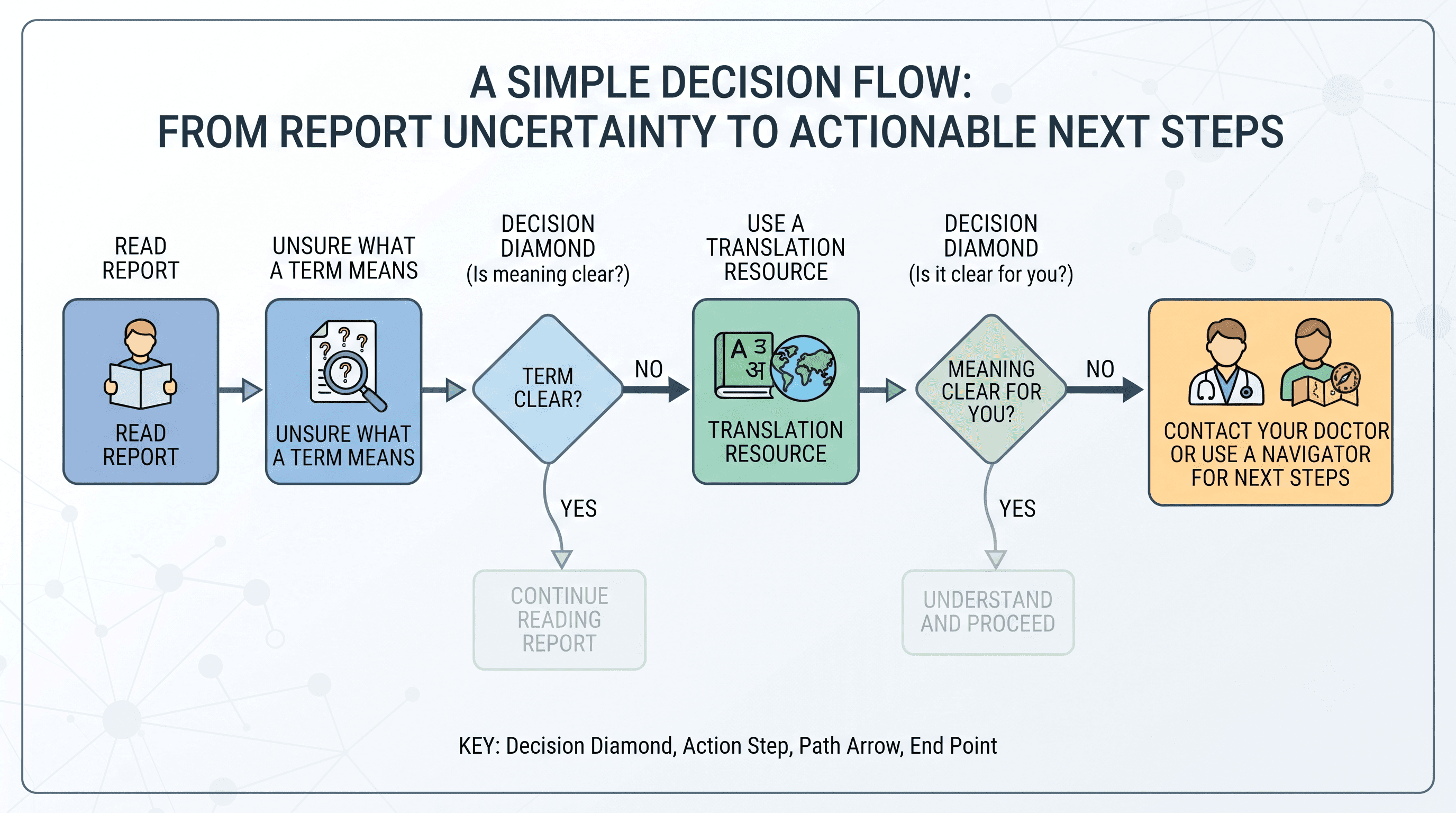
What To Do With an Unclear Report
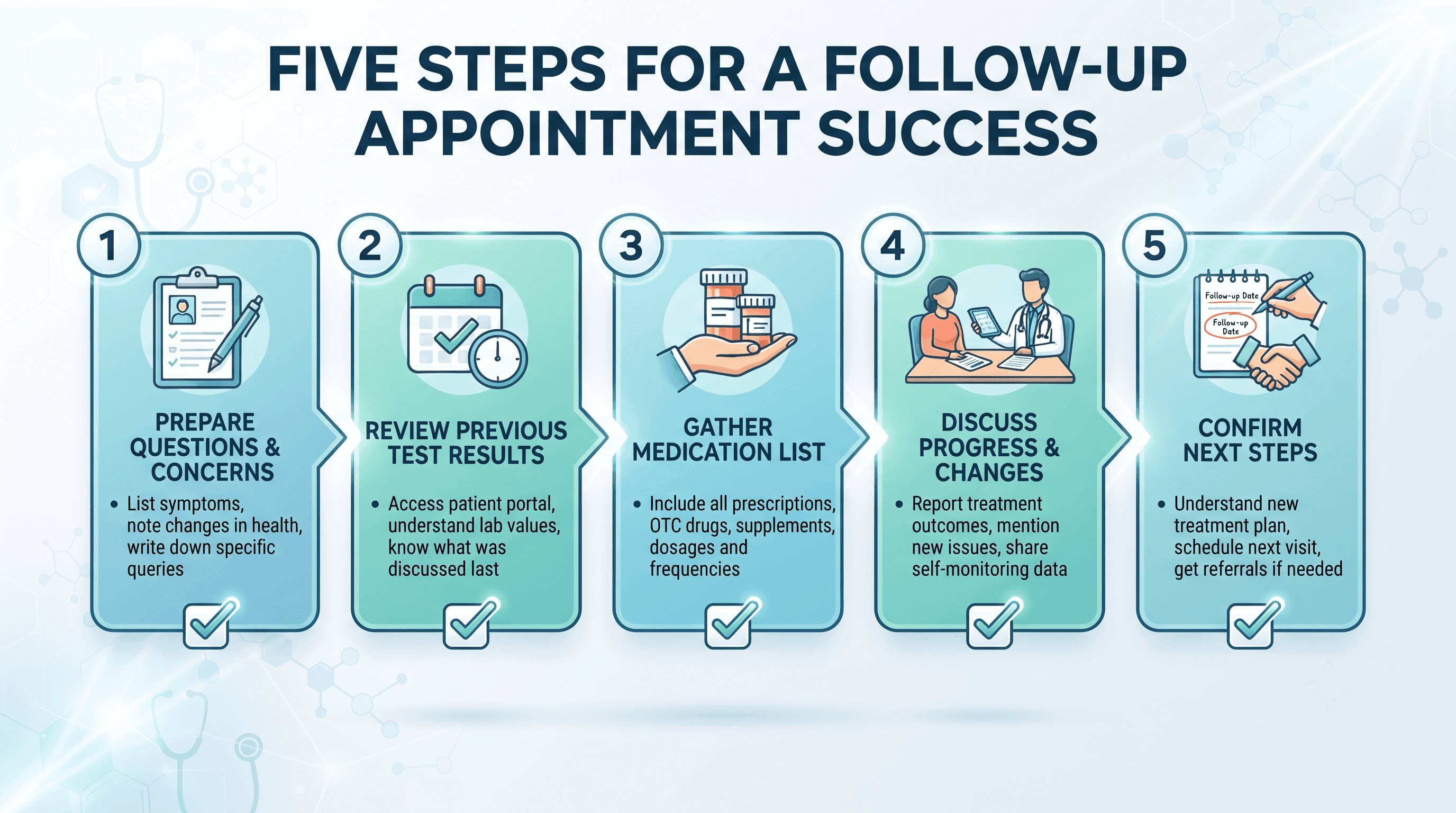
- Write down every term you don't recognize before your follow-up appointment
- Bring or pull up the report during your appointment so you can point to specific lines
- Ask directly what the Impression section means for your care
- Ask whether any finding requires follow-up imaging, and on what timeline
- If cost is a concern, ask about lower-cost options for any recommended follow-up testing
Frequently Asked Questions
Can I read my own imaging report before my doctor explains it? In many cases, yes. Most patients can access their imaging reports through an electronic health record or patient portal, often before their follow-up appointment.
Does "unremarkable" mean something is wrong? No. In radiology, "unremarkable" typically means normal, or nothing significant was found in that area.
What does "cannot exclude" mean in a report? It generally means the images are not conclusive enough to rule out a possibility, and your doctor may need additional evaluation, such as more imaging or lab work, before reaching a conclusion.
Should I use an AI tool to interpret my scan images myself? General AI healthcare navigators can help you understand next steps and compare costs, but they are not a substitute for a radiologist's or physician's reading of your actual images and report.
When should I contact my doctor about a report instead of researching it online? If a finding sounds serious, if you have new or worsening symptoms, or if the report recommends follow-up imaging, contact your doctor rather than relying solely on online explanations.


