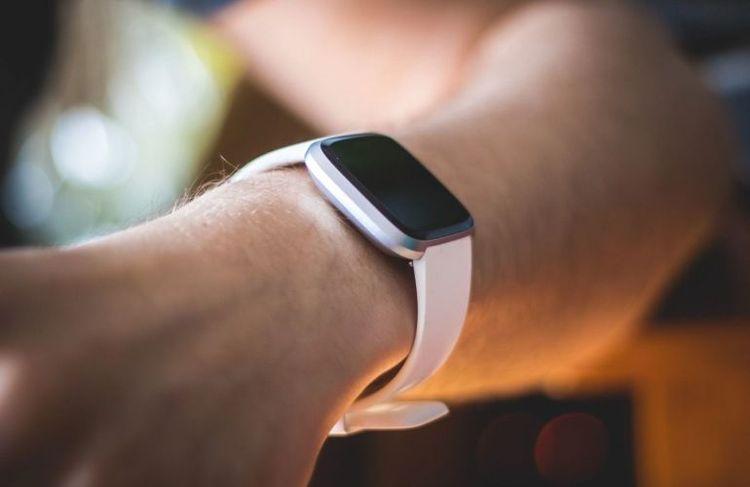

Hybrid smartwatches sit at an interesting crossroads: they look like traditional analog timepieces but carry health sensors underneath. For women who want step counts and heart rate data without wearing something that looks like a miniature computer on their wrist, the best hybrid smartwatch for women offers a practical middle ground.
This guide covers what hybrid smartwatches actually do, which models are worth considering and what to weigh before buying.
At a Glance
| Topic | Key Facts |
|---|---|
| What it is | An analog-style watch with embedded health and notification sensors |
| Top picks 2025 | Withings ScanWatch 2, Garmin Vivomove Trend, Fossil Gen 6 Hybrid, Skagen Connected, Citizen CZ Smart |
| Best health features | Heart rate monitoring, sleep tracking, step counting, menstrual cycle logging |
| Battery life | 5 days to 30+ days depending on model |
| Works with | iOS and Android (varies by brand) |
| Price range | $80 to $1,100+ |
| Who it suits | Fashion-conscious women, gift buyers, those new to health tracking |
What Is a Hybrid Smartwatch, and Why Do Women Love Them?
A hybrid smartwatch is a watch that combines the appearance of a traditional analog timepiece with the internal sensors found in modern wearables. The dial shows standard watch hands and the technology stays mostly out of sight, often tucked behind a small secondary display or accessible only through a paired smartphone app.
Research published in IEEE ICHMS 2020 by Motti et al. found that wearable adoption is shaped significantly by social acceptability, meaning how a device looks in professional or social settings directly influences whether people keep wearing it. Hybrid smartwatches address this tension directly. They track health data continuously without the visual signal of a full touchscreen display.
For women in particular, several factors make hybrid designs appealing:
- Smaller case sizes. Many hybrid models come in 36 to 40mm cases, which suit narrower wrists better than the 44 to 49mm cases common in flagship smartwatches.
- Longer battery life. The absence of a large color screen extends battery life from days to weeks on many models.
- Wardrobe versatility. A watch face that reads as classic jewelry can transition from a gym session to a dinner without drawing attention.
- Reduced notification fatigue. Hybrid watches typically deliver subtle vibration alerts rather than constant screen prompts, which some users find less disruptive.
If you are exploring whether a hybrid smartwatch might support your health goals, an AI healthcare navigator can help clarify which features are most relevant to your needs.

Hybrid vs. Traditional Smartwatch: Key Differences
Understanding what a hybrid smartwatch does, and does not do, helps set realistic expectations before purchase.
| Feature | Hybrid Smartwatch | Traditional Smartwatch |
|---|---|---|
| Display | Analog hands + small secondary display or no screen | Full color touchscreen |
| Battery life | 5 days to 30+ days | 1 to 3 days typical |
| App ecosystem | Limited (companion app on phone) | Full app store access |
| Health sensors | Heart rate, sleep, steps, some SpO2 and ECG | Heart rate, SpO2, ECG, GPS, temperature |
| GPS | Usually phone-connected (no built-in GPS on most) | Built-in GPS on most flagship models |
| Notification handling | Subtle vibration, basic caller ID | Full on-screen notifications with replies |
| Design profile | Dress watch or casual analog | Tech-forward, screen-centric |
| Price range | $80 to $1,100+ | $150 to $800+ |
The absence of a full screen is both the hybrid's main appeal and its primary limitation. Users who rely on reading messages, navigating maps from the wrist, or using third-party apps will find a hybrid restrictive. Those who want quiet, continuous health monitoring in a watch that does not look like a gadget will find the trade-off worthwhile.
A 2015 UbiComp study by Lazar et al. on smart device abandonment found that social awkwardness and aesthetic mismatch were leading reasons users stopped wearing health wearables. Hybrid designs reduce both friction points.
What Health Features Do Hybrid Smartwatches Offer?
Health feature depth varies widely across hybrid models. Here is what the current generation of women's hybrid smartwatches generally tracks:
Heart Rate Monitoring
Most hybrid smartwatches include optical heart rate sensors that measure beats per minute continuously or on demand. This data can flag unusually high or low resting heart rate, which a doctor may find useful in context. Monitoring stress and heart rate variability is one of the more clinically relevant applications, and some models surface HRV trends through their companion apps.
Sleep Tracking
Hybrid watches are particularly well-suited to sleep quality tracking because their long battery life means overnight wear is rarely interrupted by charging needs. Most models record total sleep time, movement, and basic sleep stage estimates.
Step Counting and Activity Detection
Accelerometers detect movement and automatically recognize common activities like walking, running, and swimming. Step counts and calorie estimates are standard across all models reviewed here.
Menstrual Cycle Tracking
Several hybrid smartwatches, including the Withings ScanWatch 2, include on-device menus for tracking menstrual cycle and hormonal health. Users log cycle days, symptoms, and flow levels, and the companion app generates predictions for upcoming cycles and fertile windows. The Withings models use continuous body temperature data to support more sensor-driven predictions. Garmin's Vivomove Trend uses a calendar-algorithm method through Garmin Connect, which also supports pregnancy and menopause transition tracking.
ECG and SpO2
Medical-grade electrocardiogram (ECG) capability, available on the Withings ScanWatch 2, detects patterns associated with atrial fibrillation (AFib), an irregular heart rhythm that is also a recognized risk factor for stroke. The American Academy of Sleep Medicine notes that the ScanWatch received FDA 510(k) clearance in October 2021 to record ECG and SpO2 measurements for AFib detection. Blood oxygen saturation (SpO2) monitoring measures the percentage of oxygen carried in the blood. A doctor can advise on individual cases regarding how to interpret ECG and SpO2 data from consumer wearables.
Stress Tracking
Body Battery (Garmin) and similar stress-scoring features use HRV and sleep data to estimate recovery levels throughout the day.

##Best Hybrid Smartwatches for Women in 2026
The following models represent the strongest options available to US consumers in 2025. Selections are based on published sensor accuracy data, user experience, companion app quality, case size suitability, and editorial reviews from Wareable and T3.
1. Withings ScanWatch 2 — Best Overall
Case sizes: 38mm / 42mm Battery life: Up to 30 days Price: ~$350 Compatible with: iOS and Android
The Withings ScanWatch 2 is the most health-feature-rich hybrid smartwatch available in this category. Its sensor suite includes continuous heart rate monitoring, ECG with AFib detection, SpO2 tracking, continuous body temperature measurement, breathing disturbance detection, sleep tracking, and on-device menstrual cycle logging.
The ScanWatch ECG algorithm has received FDA 510(k) clearance for AFib detection, placing it alongside clinically validated consumer wearables. The temperature sensor monitors nightly baseline shifts, which the Health Mate app uses to support more accurate cycle phase predictions, a meaningful step beyond calendar-only methods.
The 38mm model suits wrists under 16cm well. Strap options include stainless steel, leather, and silicone in multiple colorways. The watch face reads as a clean analog dress watch. The small secondary display sits at the 12 o'clock position and only activates when needed.
Best for: Women who prioritize health accuracy, cycle tracking, and clinically validated ECG in a watch that reads like fine jewelry.
Limitations: No built-in GPS. Notifications are text-only with no reply capability. The companion app (Health Mate) has more depth than some users want to engage with.
2. Garmin Vivomove Trend — Best for Fitness Tracking
Case sizes: 40mm Battery life: Up to 5 days Price: ~$230 Compatible with: iOS and Android
The Garmin Vivomove Trend is the most polished fitness-oriented hybrid in Garmin's lineup for women. The watch hands sweep aside to reveal a hidden touchscreen display when notifications or stats are active, one of the cleaner execution approaches in the hybrid category.
Health features include continuous heart rate monitoring, Body Battery energy tracking (a Garmin-exclusive score based on HRV and stress), stress tracking, SpO2, sleep score, menstrual cycle tracking, and a menopause transition mode accessible through Garmin Connect. The menopause transition mode is uncommon among hybrid smartwatches and addresses an underserved demographic, particularly women managing menopause-related cardiovascular changes or navigating overlapping perimenopause symptoms.
Available in color options including Ivory, Cool Mint, and Peach Gold, the Vivomove Trend is designed with female aesthetics more deliberately than most unisex hybrid designs.
Best for: Active women who want Garmin's fitness ecosystem, including cycle, pregnancy, and menopause tracking, without a sports-watch appearance.
Limitations: Five-day battery is shorter than Withings alternatives. No ECG. Phone-connected GPS only.
3. Fossil Gen 6 Hybrid — Best for Style Variety
Case sizes: 42mm / 44mm (36mm available in select styles) Battery life: Up to 2 weeks Price: ~$175 to $230 Compatible with: iOS and Android
The Fossil Gen 6 Hybrid runs on a hybrid OS rather than Wear OS, which allows for extended battery life compared to full smartwatches. It tracks steps, sleep, heart rate, and calorie burn through the Fossil app. Fossil's catalog offers significant variety in dial designs, strap materials (leather, mesh, silicone), and colorways, making it the most style-diverse option on this list.
The case sizes run larger at 42 to 44mm than some women may prefer. Fossil does offer a 36mm option in select dial styles. Notification mirroring works for calls and texts.
Best for: Women who want fashion variety and a recognizable brand name at a mid-range price, and for whom design matters more than advanced health sensors.
Limitations: Health sensors are less advanced than Withings or Garmin. No ECG, no temperature tracking, no cycle logging.
4. Skagen Jorn Connected — Best Budget Option
Case sizes: 38mm (women's) / 42mm Battery life: Up to 2 weeks Price: ~$80 to $130 Compatible with: iOS and Android
Skagen (part of the Fossil Group) produces minimalist Scandinavian-designed hybrid smartwatches at an accessible price point. The Jorn Connected tracks steps, sleep duration, and phone notifications. The 38mm case is one of the smallest available in any hybrid. The dial design is particularly clean, with thin hands and no secondary dial clutter.
Sensors are limited to an accelerometer with no optical heart rate sensor on most Skagen hybrid models. This makes Skagen a solid entry point for someone new to the category, though not suitable for anyone prioritizing cardiovascular health tracking.
Best for: Gift buyers, style-first shoppers, or those who want hybrid notification features without health sensor complexity.
Limitations: No heart rate sensor on most models. No sleep stage analysis. Basic companion app.
5. Citizen CZ Smart — Best for Apple Health Integration
Case sizes: 41mm Battery life: Up to 10 days Price: ~$350 to $400 Compatible with: iOS and Android (full feature set on iOS)
Citizen's CZ Smart line runs a partial Wear OS with a hybrid dial overlay, offering a broader app experience than pure hybrid models while maintaining longer battery life than typical Wear OS watches. For iPhone users, the CZ Smart's integration with Apple Health is among the deepest available in this form factor.
Health features include heart rate monitoring, SpO2, stress tracking, step counting, sleep tracking, and GPS via connected phone. The case reads as a traditional watch from across the room.
Best for: iPhone users who want deeper app connectivity and are comfortable with a slightly thicker profile in exchange for broader functionality.
Limitations: Heavier and thicker than pure hybrid models. The Wear OS integration adds complexity some users do not want from a hybrid.
6. Kronaby Sekel — Best for Luxury Minimalism
Case sizes: 36mm / 41mm Battery life: Up to 2 years (replaceable coin battery) Price: ~$300 to $500 Compatible with: iOS and Android
Kronaby approaches hybrid design from a fine-watch starting point. The Sekel uses a coin cell battery with no charging required, lasting approximately two years. Smart features are delivered via Bluetooth and the A-Connected app: step counting, sleep tracking, and basic notification alerts via vibration only.
Sensor depth is intentionally minimal with no optical heart rate monitor. What Kronaby offers instead is a convincing traditional watch experience with quiet activity tracking layered underneath, backed by a battery that does not need plugging in.
Best for: Women who want health tracking that is genuinely invisible, and who prioritize watch aesthetics over sensor depth.
Limitations: No heart rate monitoring. No health features beyond steps and sleep. The minimal app experience may frustrate users accustomed to detailed health dashboards.
7. Frederique Constant Horological Smartwatch — Best Luxury Option
Case sizes: 34mm / 42mm Battery life: Up to 2 years (replaceable battery) Price: ~$900 to $1,100+ Compatible with: iOS and Android
The Frederique Constant Horological Smartwatch is a Swiss-made luxury timepiece with activity and sleep tracking built into the movement. Like Kronaby, it uses a coin cell battery and delivers health data through motion analysis rather than optical sensors.
At this price point, the watch is purchased primarily as a fine Swiss watch that also happens to track steps and sleep. The Swiss mechanical movement and sapphire crystal are genuine luxury components. Health features are secondary.
Best for: Women who already buy fine watches and want passive health tracking without compromising on Swiss watchmaking standards.
Limitations: No heart rate monitor, no ECG, no smartwatch notifications. Sensor depth does not justify the price if health tracking is a primary concern.

What to Look for Before Buying
Battery Life
Battery life varies from roughly five days (Garmin Vivomove Trend) to two years (Kronaby, Frederique Constant). The gap comes down to sensor use. Watches that continuously measure heart rate consume significantly more power than accelerometer-only models. For sleep tracking, charge timing matters. A watch that needs daily charging may be off the wrist overnight, which limits sleep data quality.
Companion App Quality
The companion app is where health data becomes useful. Withings' Health Mate is among the most clinically detailed, offering longitudinal trend tracking and cycle prediction. Garmin Connect supports the broadest women's health program, including pregnancy and menopause modes. Fossil and Skagen apps are simpler but easier to learn. A doctor can advise on individual cases when interpreting continuous health data from any of these platforms.
iOS vs. Android Compatibility
Most hybrid smartwatches work with both iOS and Android, though feature parity is not always equal. The Citizen CZ Smart delivers fuller functionality on iOS. Withings and Garmin work comparably across both platforms. Confirm compatibility with your specific phone model before purchase.
Notification Handling
Hybrid watches receive notifications but typically cannot respond to them from the wrist. If call screening, quick replies, or reading full message text from the wrist is important, a hybrid may not fully meet that need.
Style Considerations: Case Size, Straps, and Dial Design
Getting Case Size Right
A watch case that extends beyond the wrist can appear disproportionate and be uncomfortable during extended wear. General guidance for women's wrist sizing:
| Wrist Circumference | Suggested Case Diameter |
|---|---|
| Under 14cm | 34 to 36mm |
| 14 to 16cm | 36 to 40mm |
| 16 to 18cm | 40 to 42mm |
| Over 18cm | 42mm+ |
Measuring wrist circumference at the narrowest point above the wrist bone, then selecting a case size in the recommended range, reduces the likelihood of returning a watch for fit reasons. For a broader guide on how to take body measurements accurately, the same principles apply.
Strap Materials
Silicone straps are most practical for exercise and water exposure. Leather straps read more formal but are less suited to sweat. Milanese mesh (stainless steel) provides durability with a dressier appearance. Most hybrid watches use standard 18mm, 20mm, or 22mm lug widths, meaning third-party straps are widely available and often less expensive than brand replacements.
Face Design
Hybrid smartwatches generally come in two dial aesthetics: clean minimalist (Skagen, Kronaby, Frederique Constant) and technically detailed (Withings, Garmin). The minimalist designs tend to pass as a traditional watch at a glance. The technically detailed designs may show a small secondary display or digital ring. Personal preference determines which is appropriate for a given wardrobe or workplace.
Limitations to Know Before Buying
Hybrid smartwatches have real constraints worth understanding before purchase.
No standalone GPS. Almost no hybrid smartwatch includes built-in GPS. Pace and route data require a connected phone in most cases.
Limited notification interaction. Notifications arrive as vibrations. Reading and replying typically require pulling out the phone.
Sensor accuracy varies. Consumer-grade heart rate and SpO2 monitoring can be affected by skin tone, wrist position, and movement. A doctor can advise on individual cases when using wearable data for clinical decisions.
Health data privacy. Menstrual cycle data, heart rate records, and sleep logs are stored on companion app servers. Users in the US should review each brand's privacy policy, particularly data retention terms and whether health data is shared with third parties. Withings states that its devices process personal data in compliance with the European General Data Protection Regulation (GDPR). Garmin's privacy policy allows users to request full deletion of their personal data.
Smart feature limitations. Voice assistants, on-device apps, contactless payments, and music control are absent or limited on most hybrid models.
If you are unsure which features align with your health priorities, find a doctor near you for a broader health conversation that can help clarify which tracking tools are most relevant.
Frequently Asked Questions
Q: What is a hybrid smartwatch? A hybrid smartwatch is a watch that combines a traditional analog dial with embedded health sensors and smartphone notification capabilities. It tracks metrics like steps, heart rate, and sleep while maintaining the appearance of a standard watch.
Q: What is the best hybrid smartwatch for women? The Withings ScanWatch 2 is the strongest overall pick for women who prioritize health accuracy, offering ECG, SpO2, body temperature, and menstrual cycle tracking in a 38mm case with a 30-day battery. The Garmin Vivomove Trend is the better fit for women who want fitness-focused tracking and a more active lifestyle.
Q: Do hybrid smartwatches work with iPhone? Yes, most hybrid smartwatches are compatible with both iOS (iPhone) and Android. Withings, Garmin, Fossil, and Skagen all support iPhone. The Citizen CZ Smart offers particularly deep Apple Health integration for iOS users.
Q: How long does a hybrid smartwatch battery last? Battery life ranges from roughly five days (Garmin Vivomove Trend) to 30 days (Withings ScanWatch 2) to approximately two years (Kronaby, Frederique Constant). The difference depends primarily on whether the watch includes an optical heart rate sensor and how continuously it runs.
Q: Can a hybrid smartwatch track heart rate? Most mid-range and premium hybrid smartwatches include an optical heart rate sensor. The Withings ScanWatch 2 and Garmin Vivomove Trend both offer continuous heart rate monitoring. Budget models from Skagen and entry-level Fossil designs typically do not include heart rate sensors.
Q: Is a hybrid smartwatch worth it over a regular smartwatch? A hybrid smartwatch is worth considering for someone who wants passive health tracking, a longer battery life, and a watch that does not draw attention as a tech device. It is less suitable for someone who relies on on-wrist navigation, messaging, or third-party apps. The right choice depends on which features matter most to the individual.
Conclusion
Hybrid smartwatches occupy a useful space for women who want health data without a device that looks like it belongs in a lab. The best hybrid smartwatch for women in 2026 depends on what matters most: clinically validated sensors (Withings ScanWatch 2), fitness ecosystem depth (Garmin Vivomove Trend), style variety (Fossil Gen 6 Hybrid), minimalist luxury (Kronaby Sekel), or accessible entry pricing (Skagen Jorn).
None of these devices replace a clinical evaluation. A doctor remains the right resource for interpreting health data in context, particularly for cardiac monitoring, cycle irregularities, or sleep-related concerns. For guidance before or after choosing a wearable, find a doctor near you, explore what virtual primary care covers, or use the AI healthcare navigator to start that conversation.