
A pulse oximeter is a small, noninvasive device that clips onto a fingertip and measures blood oxygen saturation (SpO2) and pulse rate within seconds. For anyone managing a chronic lung condition, recovering from illness, or simply keeping tabs on baseline health, knowing how to choose a reliable one matters more than most people realize.
Not every device on the market performs equally. Price alone is not a reliable guide to accuracy. This guide covers what the research says about pulse oximeter performance, which devices stand out in 2026 for specific use cases, and where to find them.
| Topic | Key Facts |
|---|---|
| What it measures | Blood oxygen saturation (SpO2) and pulse rate |
| Normal SpO2 range | 95% to 100% in healthy adults at rest |
| FDA accuracy standard | Root mean square error (Arms) of 3% or less across SpO2 70-100% |
| Prescription vs. OTC | Prescription devices require clinical testing and FDA clearance; OTC devices are classified as general wellness products |
| Key buying factors | FDA clearance, Arms accuracy rating, skin tone testing data, display readability, battery life |
| When to see a doctor | SpO2 consistently below 94%, or any reading below 90% |
What to Look for in a Pulse Oximeter: Accuracy, FDA Clearance, and Key Specs
Choosing a pulse oximeter comes down to understanding a handful of specifications that determine whether the number on the screen is actually trustworthy.
FDA clearance vs. general wellness label
The FDA classifies pulse oximeters into two categories: prescription devices intended for medical use, and over-the-counter devices sold for general wellness or sports purposes. Prescription devices must undergo clinical accuracy testing before receiving FDA clearance. Most devices sold at retail pharmacies and online are OTC general wellness products and are not required to meet the same clinical accuracy standards.
This distinction matters. A device labeled "FDA-registered" is not the same as one that is FDA-cleared for medical purposes.
Arms accuracy rating
The FDA requires that medical-grade pulse oximeters achieve a root mean square error (Arms) of 3% or less across an SpO2 range of 70 to 100%. Arms is a statistical measure of how far readings deviate from arterial blood gas measurement, which is the clinical gold standard. Devices with an Arms below 2% are considered highly accurate. When comparing devices, look for this figure in the product specifications or the manufacturer's clinical data.
As Jubran (2015) notes in Critical Care, pulse oximetry is most reliable when oxygen saturation is above 90%. Accuracy can decrease at lower saturation levels, which is why medical-grade clearance is particularly relevant for anyone managing a condition associated with hypoxemia.
Skin tone and accuracy
The FDA issued a safety communication in February 2021 noting that pulse oximeters may be less accurate in people with darker skin pigmentation. In January 2025, the FDA published draft guidance recommending that manufacturers test devices across a diverse range of skin tones using the Monk Skin Tone scale, with at least 150 participants and a minimum of 25% representation per tone group.
When selecting a device, particularly for people with darker skin tones, checking whether the manufacturer has published skin-tone-disaggregated accuracy data is worthwhile.
Other specs worth checking
- Perfusion index (PI): Measures the strength of the pulse signal at the measurement site. A low PI can indicate a weak signal and a less reliable reading.
- Display readability: A multi-directional or rotating display is useful for bedside or overnight monitoring.
- Battery life: Disposable AAA-battery devices suit occasional use. Rechargeable devices suit continuous or overnight monitoring better.
- App connectivity: Bluetooth-enabled devices can log readings over time and share data with a healthcare provider, which is useful for chronic disease management.

Pulse oximeter vs. smartwatch
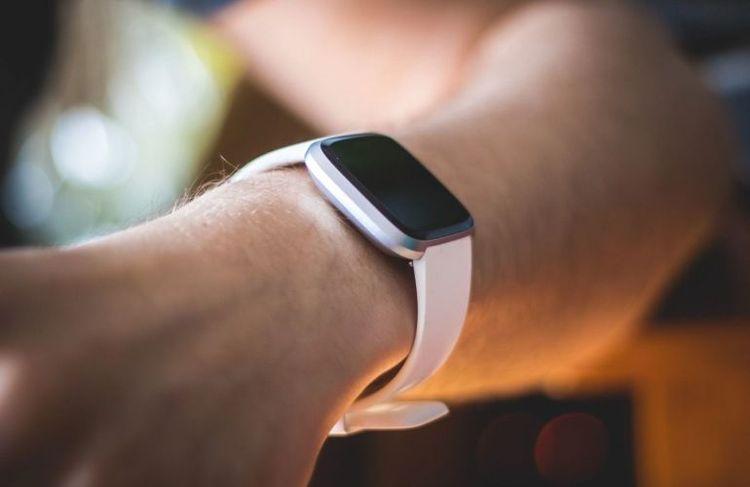
Smartwatches measure blood oxygen using reflectance photoplethysmography (R-PPG), placing sensors on the same side as the light source at the wrist. Dedicated fingertip pulse oximeters use transmittance oximetry, passing light through the fingertip where capillary density is high, producing a stronger and more consistent signal.
A 2023 study published in PLOS Digital Health compared four smartwatch models against a clinical-grade Masimo pulse oximeter. The Apple Watch Series 7 performed best among the group tested, with a mean absolute error of 2.2%, while the Garmin Venu 2s showed a mean absolute error of 5.8%. No smartwatch in the study achieved the Arms accuracy standard required of FDA-cleared medical devices.
Smartwatches are suitable for general wellness tracking. They are not a substitute for a dedicated pulse oximeter when accurate SpO2 data is clinically relevant.
Best Overall Pulse Oximeter in 2026
Three devices consistently appear at the top of independent lab testing: the Masimo MightySat, the Nonin Onyx Vantage 9590, and the Zacurate Pro Series 500DL. Each targets a different buyer.
| Device | FDA Status | Arms Accuracy | Best For | Approximate Price |
|---|---|---|---|---|
| Nonin Onyx Vantage 9590 | FDA-cleared (prescription) | Less than 2% | Clinical and medical-grade use | $300 to $400 |
| Masimo MightySat | FDA-cleared | Less than 2% | Clinicians, advanced home users | $200 to $250 |
| Innovo Deluxe iP900AP | OTC, FDA-registered | Less than 2% | General home monitoring | $30 to $40 |
| Zacurate Pro Series 500DL | OTC | Manufacturer-stated less than 2% | Budget-conscious buyers | $20 to $25 |
| Wellue O2Ring | FDA-cleared | Less than 2% | Overnight and continuous monitoring | $100 to $150 |
Prices are approximate and subject to change. Check retailer listings for current pricing.
Nonin Onyx Vantage 9590
The Nonin Onyx Vantage 9590 is the only fingertip pulse oximeter in widespread use that is both FDA-cleared for medical purposes and validated against arterial blood gas reference measurements in clinical testing. According to Nonin's published clinical data, the device achieves an Arms of 1.5% across an SpO2 range of 70 to 100%. Nonin also states the device maintains accuracy at saturation levels as low as 70%, which is relevant for patients with severe hypoxemia.
It requires a prescription from a physician to purchase directly from Nonin, though some third-party distributors do not enforce this requirement. Anyone managing a serious respiratory condition should discuss this device with their doctor.
Masimo MightySat
The Masimo MightySat uses Masimo SET signal extraction technology, the same platform used in hospital-grade Masimo devices. It measures SpO2, pulse rate, perfusion index, pleth variability index (a measure of respiratory variation), and respiration rate derived from the pulse waveform. It pairs with the Masimo Personal Health app for data logging. The MightySat is FDA-cleared and is a strong choice for nurses, respiratory therapists, and home users who want more than a basic SpO2 reading.
Zacurate Pro Series 500DL
The Zacurate 500DL is a widely available OTC device with manufacturer-stated accuracy within 2% of reference. It is not a prescription or FDA-cleared medical device, but independent testing has generally found it performs reliably for confirming normal SpO2 levels in healthy individuals. It is not suitable as a primary monitoring tool for people with COPD, heart failure, or other conditions that produce clinically meaningful SpO2 fluctuations.
Best Pulse Oximeter for Home Use: Top 5 Picks Reviewed
Home users generally need a device that is easy to use, readable, reliable for occasional spot checks, and reasonably priced. The five devices below cover the range of common home use scenarios.

1. Innovo Deluxe iP900AP
The Innovo Deluxe iP900AP is a consistently well-reviewed OTC fingertip device. It displays SpO2, pulse rate, perfusion index, and pulse strength. Its rotating display accommodates different wrist and finger orientations. Independent testing by AARP and OutdoorGearLab has rated it at the top of the OTC segment for accuracy and ease of use. It runs on two AAA batteries and fits a wide range of adult finger sizes.
2. Zacurate Pro Series 500DL
The Zacurate 500DL delivers reliable readings for confirming normal oxygen levels and is one of the best-selling OTC oximeters in the US. It is available at Walmart, Amazon, and many pharmacies. The display is bright and easy to read in most lighting conditions.
3. Masimo MightySat
For home users who want a clinical-grade experience without a prescription requirement, the Masimo MightySat is the strongest option. The additional metrics it provides, particularly perfusion index and respiration rate, are useful for people who want to track blood oxygen levels at home as part of ongoing health management.
4. Wellue O2Ring
The Wellue O2Ring is a ring-style device that tracks SpO2 and heart rate continuously overnight. It pairs with the ViHealth app and generates a detailed overnight report, including the number of drops below a user-set threshold. It is FDA-cleared and is particularly useful for people monitoring sleep apnea-related breathing changes or recovering from a respiratory illness. It vibrates gently when SpO2 drops below a set threshold, which can prompt a position change without fully waking the user.
5. iHealth Air Wireless Pulse Oximeter
The iHealth Air is a Bluetooth-enabled fingertip oximeter that pairs with the iHealth MyVitals app. It is compact, displays SpO2 and pulse rate clearly, and is a practical choice for users who want app-based data logging without the higher cost of the Masimo MightySat. It is available at Target, CVS, Walgreens, and online.
Best Medical-Grade and Hospital Pulse Oximeters for Nurses and Clinicians
Nurses and clinical staff need a pulse oximeter that performs consistently across patients with varying skin tones, perfusion states, and movement levels.
What clinicians should prioritize
Clinical use cases demand devices with published Arms data below 2%, demonstrated performance in low-perfusion states, motion artifact rejection, and ideally, published skin-tone-disaggregated accuracy results. The FDA's January 2025 draft guidance is directed at manufacturers of prescription medical devices, so checking whether a device meets or anticipates those standards is relevant when purchasing for clinical use.
Masimo Rad-G
The Masimo Rad-G is a handheld pulse oximeter designed for spot-check and transport use. It uses the same Masimo SET platform as the MightySat and includes a color display with SpO2, pulse rate, and SpO2 trend. It received FDA 510(k) clearance and is used in emergency departments, during patient transport, and in clinic point-of-care settings. It accepts both reusable and disposable sensors.
Nonin Onyx Vantage 9590
As described above, the Nonin 9590 is the gold standard fingertip device for clinical accuracy. Nonin has published skin-tone accuracy data for this device and states it maintains performance across a wider range of perfusion and saturation conditions than most OTC devices.
Nellcor PM10N
Nellcor, a Medtronic brand, has a long history in hospital-grade pulse oximetry. The PM10N is a handheld device compatible with Nellcor's OxiMax sensor range, which includes pediatric, neonatal, and adhesive options. It is FDA-cleared and widely used in hospitals, skilled nursing facilities, and home health settings where clinical accuracy is required.
Contec CMS50D
The Contec CMS50D is a lower-cost fingertip device with FDA 510(k) clearance. It is not at the same performance level as Masimo or Nonin devices, but it is considerably more affordable and performs adequately for stable adult patients with normal perfusion.
For nurses working in settings that require verified accuracy, checking which devices have procurement approval from your employer or institution is always the appropriate first step. A doctor can advise on which device is appropriate for individual patient monitoring needs.
Best Bluetooth and Wireless Pulse Oximeters
Bluetooth-enabled pulse oximeters are useful when data logging, trend tracking, or sharing readings with a remote care team is part of the monitoring plan.
iHealth Air Wireless Pulse Oximeter
The iHealth Air connects via Bluetooth to the iHealth MyVitals app on iOS and Android. The app stores readings over time, displays trend graphs, and allows data export or sharing. It measures SpO2 and pulse rate only, without perfusion index. It is a reliable choice for straightforward home monitoring with app integration.
Wellue O2Ring
Already covered in the home use section, the O2Ring is one of the most capable Bluetooth oximeters for overnight and continuous monitoring. The ViHealth app generates session reports displaying average SpO2, minimum SpO2, number of threshold drops, and heart rate trends across the monitoring period. Structured overnight data of this type is what sleep specialists and pulmonologists most commonly request when reviewing home monitoring results.
ChoiceMmed MD300W1
The ChoiceMmed MD300W1 is a wrist-worn device with continuous Bluetooth monitoring and overnight tracking capability. It is FDA-cleared and pairs with the ChoiceMmed app. It is a more affordable alternative to the O2Ring for users who prefer a wrist-worn form factor.
Beurer PO60 Bluetooth Fingertip Pulse Oximeter
The Beurer PO60 is a fingertip device with Bluetooth connectivity that pairs with the Beurer HealthManager Pro app. It measures SpO2 and pulse rate, stores up to 50 readings onboard, and syncs to the app for trend display. It is available through Amazon and select online retailers.

Best Budget Pulse Oximeters: Accuracy vs. Price Breakdown
A lower price does not automatically mean poor accuracy, but it does mean less certainty about performance in challenging conditions.
Research in peer-reviewed literature has found that some lower-cost OTC devices perform comparably to more expensive models when measuring SpO2 in the 90 to 99% range in healthy adults with normal perfusion. Below 90%, the accuracy gap between OTC and prescription-grade devices tends to widen. That is precisely the range where accuracy matters most clinically.
What budget devices can and cannot do
OTC budget devices are appropriate for:
- Confirming normal SpO2 levels in healthy adults
- Occasional wellness spot checks
- Athletes monitoring recovery at altitude
They are not appropriate as the sole monitoring tool for:
- Patients with COPD, pulmonary fibrosis, or heart failure
- Post-operative monitoring
- Anyone with SpO2 readings that regularly fall below 94%
Top budget picks
| Device | Approximate Price | FDA Status | Notes |
|---|---|---|---|
| Zacurate Pro Series 500DL | $20 to $25 | OTC registered | Most consistently reviewed in this price range |
| Innovo Deluxe iP900AP | $30 to $40 | OTC registered | Displays PI; better build quality for the price |
| Santamedical Generation 2 | $20 to $30 | OTC registered | Basic display; adequate for healthy adults |
| EMAY Portable Pulse Oximeter | $25 to $35 | OTC registered | Includes onboard memory storage for readings |
| Equate (CVS store brand) | $20 to $30 | OTC registered | Convenient for same-day in-store purchase |
For anyone using a budget device and getting readings consistently in the 92 to 94% range, consulting a doctor is the right next step, rather than assuming the reading reflects a device error.
Best Pulse Oximeter with Blood Pressure Monitor Combo
Some manufacturers combine SpO2 monitoring with blood pressure measurement in a single device, which suits people who monitor both vital signs regularly.
What to know before buying a combo device
Clinically accurate blood pressure measurement requires an upper-arm cuff using oscillometric technology. Wrist cuffs are less accurate and more sensitive to positioning. No fingertip device can measure blood pressure. Any device claiming to measure both blood pressure and SpO2 through a finger clip alone should be examined carefully.
Combination units typically pair a standard upper-arm blood pressure cuff with a separately attached or integrated SpO2 finger sensor.
Omron with SpO2 accessory
Omron is one of the most validated blood pressure monitor brands in the US consumer market. Select Omron devices are compatible with an SpO2 finger sensor accessory that links blood pressure and oxygen data within the Omron Connect app. For users already relying on Omron for blood pressure monitoring, this integration is practical.
Wellue DuoEK
The Wellue DuoEK combines a wrist ECG monitor with SpO2 monitoring. It is FDA-cleared and is designed for users who need to track both cardiac rhythm and oxygen saturation, such as those managing atrial fibrillation or recovering from a cardiac event. It is not a blood pressure monitor, but it represents the broader category of multi-parameter wearable devices for ongoing health monitoring.
For individuals who need both blood pressure and SpO2 monitoring as part of ongoing disease management, a doctor can advise on which combination of devices is most appropriate.
Where to Buy a Pulse Oximeter: CVS, Walgreens, Target, and Online
Pulse oximeters are available across retail pharmacy chains, general retailers, and online channels. The purchase location affects price, return policy, and device selection.
Retail pharmacies: CVS, Walgreens, Rite Aid
CVS and Walgreens carry a curated selection of OTC pulse oximeters, typically including store-brand options alongside iHealth and Innovo. In-store purchase allows for same-day access and straightforward returns. Prices at retail pharmacies tend to run slightly higher than online.
Both CVS and Walgreens accept FSA and HSA cards for pulse oximeter purchases. Pulse oximeters are eligible under IRS guidelines as medical devices, which can reduce the effective out-of-pocket cost.
Target
Target typically stocks a smaller selection, including iHealth and one or two other brands. It is a convenient option for buyers who are already shopping at Target and want a basic OTC device.
Online: Amazon and manufacturer websites
Amazon offers the widest device selection at generally lower prices than retail pharmacies. Manufacturer websites (Masimo, Nonin, Wellue) sometimes offer direct purchase with better warranty terms. For prescription devices like the Nonin Onyx Vantage 9590, purchasing directly from Nonin or a licensed medical supply company is the standard route.
When purchasing on Amazon, buying from the manufacturer's own Amazon storefront or an authorized distributor reduces the risk of receiving a counterfeit or uncertified device.
Medical supply distributors
For clinical-grade and hospital-grade devices, medical supply distributors such as Medline, McKesson, and Henry Schein are the appropriate channel. These distributors carry Nellcor, Masimo, Nonin, and Contec devices with procurement and warranty terms suited to clinical environments.
How to Use a Pulse Oximeter and Read the Results
Using a pulse oximeter correctly matters as much as choosing an accurate one. Several factors can produce a false reading even with a high-quality device.
Correct technique
- Warm the hand before measuring. Cold fingers reduce peripheral blood flow and can lower signal quality.
- Sit still and breathe normally. Movement affects the reading.
- Remove nail polish, acrylic nails, or dark gel coatings from the finger being measured. These absorb the light wavelengths used by the sensor.
- Place the device on the index or middle finger of the dominant hand. If the reading seems unexpectedly low, try a different finger.
- Wait 10 to 15 seconds for the reading to stabilize before recording it.
- Take readings at the same time of day when tracking trends over time.
Understanding the numbers
| SpO2 Reading | What It Generally Indicates |
|---|---|
| 95% to 100% | Normal range for healthy adults at rest |
| 94% | Low end of acceptable; worth monitoring |
| 90% to 93% | Warrants medical evaluation |
| Below 90% | Warrants prompt medical attention |
These thresholds are general reference points. A doctor should interpret readings in the context of an individual's medical history, symptoms, and baseline values.
Factors that reduce accuracy
The FDA has identified several factors that can reduce pulse oximeter accuracy beyond skin tone and nail polish:
- Poor peripheral circulation
- Skin thickness and temperature
- Current tobacco use
- Intravenous dyes used in medical procedures
- High ambient light falling directly on the sensor
- Irregular heart rhythm in some cases
When to contact a doctor
A single low reading on a properly used device warrants a repeat measurement. If the reading remains below 94% and is accompanied by shortness of breath, chest tightness, confusion, or unusual fatigue, contacting a healthcare provider is appropriate. A reading below 90% warrants prompt medical attention. A doctor can determine whether a reading reflects a true clinical change or a measurement issue.
Frequently Asked Questions
What is the best pulse oximeter for home use?
For most adults doing occasional home monitoring, the Innovo Deluxe iP900AP and the Zacurate Pro Series 500DL are consistently well-reviewed OTC options in the $20 to $40 range. For users managing a chronic condition who want app-based trend tracking, the iHealth Air or Wellue O2Ring offers more functionality. For the highest accuracy available without a prescription, the Masimo MightySat is the most capable consumer-facing device.
Are cheap pulse oximeters accurate?
Budget pulse oximeters can produce reliable readings for healthy adults with normal perfusion when SpO2 is in the 90 to 99% range. Their accuracy becomes less certain at lower saturation levels or in individuals with poor circulation, darker skin tones, or irregular heart rhythms. A low-cost device is not appropriate as the primary monitoring tool for anyone with a diagnosed respiratory or cardiac condition.
Which pulse oximeter is FDA-approved?
The FDA uses the term "cleared" rather than "approved" for most medical devices, including pulse oximeters. Prescription pulse oximeters are cleared through the FDA's 510(k) premarket review process. Examples of FDA-cleared prescription devices include the Nonin Onyx Vantage 9590, the Masimo MightySat, and the Masimo Rad-G. Checking the FDA's 510(k) database is the most reliable way to confirm a specific device's clearance status.
What brand of pulse oximeter do hospitals use?
Masimo, Nellcor (a Medtronic brand), and Nonin are the dominant brands in US hospital settings. Masimo SET technology is used across a large share of US hospital pulse oximetry systems, including both bedside monitors and handheld spot-check devices. Nellcor OxiMax sensors are widely used in surgical and ICU environments. Nonin is used in transport, emergency, and primary care settings.
What is a good SpO2 reading on a pulse oximeter?
A reading of 95% to 100% is considered normal for healthy adults at rest at sea level. Readings consistently below 94%, or any reading below 90%, warrant evaluation by a healthcare provider. Altitude, underlying lung disease, and individual baseline variation all affect SpO2 values. A doctor can advise on what range is appropriate for a specific individual.