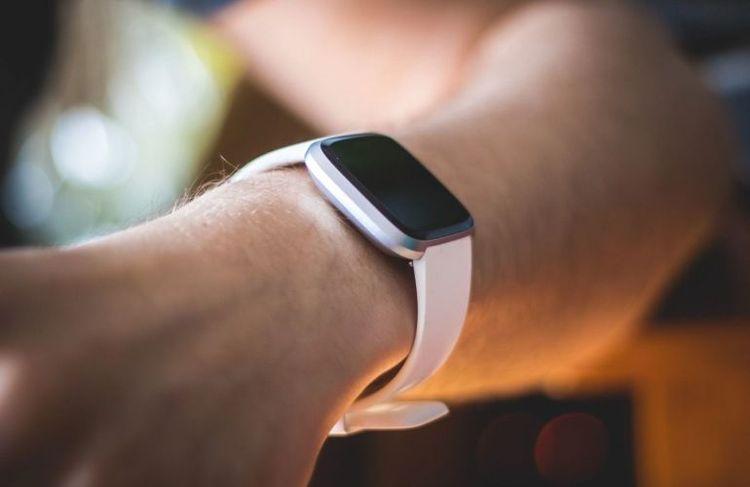

Continuous glucose monitors were once reserved almost entirely for people managing diabetes. That has changed considerably. In 2024, the FDA cleared the first over-the-counter CGM devices for people without a diabetes diagnosis, and in August 2025, it cleared the first glucose monitoring system specifically designed for weight management. The technology is now in the hands of people tracking weight, managing polycystic ovary syndrome (PCOS), and optimizing athletic recovery, and the research is beginning to catch up.
This article covers what CGMs actually do, what the evidence says about using a continuous glucose monitor for weight loss and other health goals, how platforms like Levels, Signos, and Lingo work in practice, and where the science still has meaningful gaps.
At a Glance
| Topic | Key Facts |
|---|---|
| What a CGM measures | Glucose (blood sugar) levels in interstitial fluid, updated every 1–5 minutes |
| Who uses CGMs in 2025 | People with diabetes, prediabetes, PCOS, athletes, and those pursuing weight loss |
| FDA status | OTC devices cleared 2024 (Dexcom Stelo, Abbott FreeStyle Libre); Signos weight-management system cleared August 2025 |
| Evidence for weight loss | Moderate — supports behavior change; RCT evidence on BMI reduction is mixed |
| Evidence for PCOS | Emerging — useful for identifying insulin resistance patterns |
| Evidence for athletes | Promising for fueling strategy; limited formal RCTs |
| Typical cost | $49–$130/month depending on platform and device |
| When to see a doctor | Before starting if you have diabetes, take insulin, are pregnant, or have a history of disordered eating |
CGM Beyond Diabetes: Who Uses CGMs in 2025?
Continuous glucose monitoring was developed as a clinical tool for people with type 1 and type 2 diabetes, where real-time blood sugar data is central to safety and treatment decisions. The device works by inserting a small filament sensor just under the skin, typically on the upper arm or abdomen, which measures glucose in the interstitial fluid (the fluid between cells) and transmits readings wirelessly to a smartphone app every few minutes.
The clinical value for people with diabetes is well-established. According to the American Diabetes Association's Standards of Care 2025, CGM improves time in range, which is the percentage of the day blood glucose stays within a target window, and reduces significant glucose variability.
But a wider population is now using these devices. The reasons vary: some want to understand how food affects energy and weight, some are managing a condition linked to insulin resistance like PCOS, and others are competitive athletes seeking performance data. A systematic review by Mohr et al., published in Nutrients in 2021, found that CGM use in healthy adults without diabetes is feasible and produces meaningful behavioral feedback, though the authors noted that clinical benefit still requires more rigorous investigation.
The 2024 FDA clearances of Dexcom Stelo and Abbott FreeStyle Libre for over-the-counter use, followed by the 2025 Signos clearance for weight management, reflect this shifting landscape. Anyone can now use a CGM to monitor blood sugar at home without a prescription.

CGM for Weight Loss: Does Tracking Glucose Help You Lose Weight?
The premise is straightforward: blood glucose levels influence hunger, insulin release, and fat storage. When glucose rises sharply after a meal, the pancreas releases insulin, a hormone that signals fat cells to store energy. Frequent large spikes, and the crashes that follow, are associated with increased hunger and a tendency to overeat at the next meal.
Research by Dahl et al., published in Nutrients in 2021, found that CGM use in non-diabetic individuals provided actionable data on postprandial (after-meal) glucose responses and helped participants identify patterns, including specific foods, meal timing, and sleep quality, that drove variability. The researchers noted that CGM functions as a behavioral feedback tool rather than a direct weight-loss intervention.
That distinction matters. A 2024 systematic review and meta-analysis examining 25 randomized controlled trials with 2,996 participants, published in the International Journal of Behavioral Nutrition and Physical Activity, found that CGM-based feedback reduced HbA1c (a marker of average blood sugar over several months) by a statistically meaningful margin, but the effects on BMI and body weight were not statistically significant in the pooled analysis. A separate body of evidence links sustained poor glycemic control to macrovascular complications of diabetes, which is part of why improving HbA1c matters beyond weight alone.
What this means in practice: CGM appears to change behavior, particularly food choices and exercise motivation, but does not guarantee weight loss on its own. A survey of CGM users published in Clinical Diabetes in 2020 found that 87% said the device caused them to make different food choices, and 47% said seeing a glucose rise made them more likely to go for a walk. The behavior change signal is consistent, but whether it translates to meaningful weight loss depends on how a person acts on the data and whether they have support in interpreting it.
What glucose targets matter for weight loss?
Battelino et al., writing in Diabetes Care in 2019, defined time in range (70–180 mg/dL) as the primary CGM metric in diabetes management. For non-diabetic individuals pursuing metabolic health, some researchers propose a tighter target window of 70–140 mg/dL, though this has not yet been formally standardized by a major medical body. A doctor can advise on individual glucose targets based on metabolic history and goals.

How to Use a CGM for Weight Loss
The core method is the same across platforms: wear the sensor, log meals, observe the glucose response, and adjust eating, exercise, or sleep habits based on what the data shows. The platforms differ in how they interpret and present that data.
Levels pairs CGM data with a meal-logging app that assigns a metabolic score to each food based on the individual's glucose response. The platform draws on a database of food responses and proprietary member data. Levels uses the Dexcom Stelo or Abbott FreeStyle Libre sensor. Membership costs vary; current pricing should be confirmed directly on their website, as it changes with promotions.
Signos received FDA clearance in August 2025 as the first glucose monitoring system specifically indicated for weight management. It uses an AI-powered app layered over the Dexcom Stelo sensor and provides real-time personalized recommendations for food choices and movement based on individual glucose responses. According to the FDA device clearance record, the system is designed to be used alongside, or after, GLP-1 medications or bariatric surgery, as well as independently. Signos glucose monitor cost varies by subscription tier; current plan pricing is available directly on the Signos website.
Lingo is Abbott's consumer CGM platform built on FreeStyle Libre sensor technology. It targets healthy adults interested in metabolic awareness and presents a bioscore for each day based on glucose stability. Users interested in comparing CGM apps should check current platform pricing directly, as fees change frequently.
Three practical habits that improve outcomes for people using a CGM for weight loss:
- Observe meal patterns over weeks, not single meals. A single glucose response is not a verdict on a food. Trends across many meals are more meaningful.
- Track exercise timing relative to meals. Walking for 10–20 minutes after eating has been shown to meaningfully reduce postprandial glucose peaks, as demonstrated in research reviewed by Mohr et al.
- Account for sleep and stress. Both cortisol-driven overnight glucose rises and stress-related glucose changes appear in CGM data. Learning to understand your glucose patterns in the context of sleep and stress is where many people find their most actionable insights.
CGM for PCOS: Managing Insulin Resistance with Continuous Monitoring
Polycystic ovary syndrome affects roughly 1 in 10 women of reproductive age, according to the Office on Women's Health. Insulin resistance is present in an estimated 65–70% of people with PCOS, even those with a healthy body weight, according to a review published in Endocrine Reviews. Because insulin resistance drives many of the hormonal and metabolic features of PCOS, continuous glucose monitoring has a specific rationale in this population.
Unwin et al., publishing in BMJ Open Diabetes Research and Care in 2023, examined the use of a low-carbohydrate diet combined with CGM data in people with PCOS. The study found that participants who used CGM to personalize carbohydrate intake saw improvements in insulin sensitivity, androgen levels, and menstrual regularity, outcomes that are particularly meaningful given the hormonal profile of the condition. The authors noted that CGM allowed participants to identify specific foods that drove excessive insulin responses, enabling more precise dietary modification than general dietary advice alone.
CGM does not diagnose PCOS, and it does not replace the hormonal testing, ultrasound imaging, and clinical evaluation required for a formal diagnosis. For people already diagnosed with PCOS, CGM data can inform conversations with a healthcare provider about whether insulin resistance is contributing to symptoms and how dietary patterns might be adjusted.
A doctor can advise on whether continuous glucose monitoring is appropriate for an individual with PCOS, particularly if they are also managing related conditions like thyroid disease, metabolic syndrome, or are trying to conceive.

CGM for Athletes: Optimizing Performance and Recovery with Glucose Data
Interest in CGM among athletes centers on one practical question: is the body fueled correctly before, during, and after training? For endurance athletes especially, glucose availability is directly tied to performance and recovery.
The systematic review by Mohr et al. in Nutrients 2021 included data from healthy, physically active adults and found that CGM provided reliable feedback on how different pre-workout meals, exercise intensity, and recovery nutrition affected glucose patterns. The best glucose monitor for athletes is less about a specific brand and more about whether the platform's app supports exercise logging and provides context around training sessions.
Key findings relevant to athletic use:
- Glucose may drop during sustained aerobic effort, particularly when training fasted or in a carbohydrate-depleted state. CGM can identify when this is happening without requiring blood draws during activity.
- Post-exercise glucose response varies by individual and exercise type. Resistance training often produces a transient glucose rise followed by a sustained decrease; aerobic exercise typically lowers glucose during and after.
- CGM data can help athletes time carbohydrate intake to avoid unnecessary glucose crashes before key sessions, without the guesswork of generalized sports nutrition guidelines.
It is worth noting that CGM measures glucose in interstitial fluid, which lags behind blood glucose by approximately 5–15 minutes, as noted in sensor performance data published by the FDA. During rapid glucose changes common during high-intensity exercise, this lag can reduce real-time accuracy. A doctor or registered dietitian familiar with sports nutrition can help interpret CGM data in the context of athletic training loads.
What Peter Attia, Glucose Goddess, and Zoe Say About CGMs for Metabolic Health
Several well-known voices in the preventive health and nutrition space have popularized CGM use for non-diabetic individuals. Their positions broadly reflect the state of the current evidence: promising for certain applications, with important caveats about interpretation.
Peter Attia, physician and author of Outlive, has discussed CGM in the context of longevity medicine and emphasizes using it to understand individual metabolic responses rather than following population-average dietary advice. He acknowledges that the evidence base for CGM in non-diabetic healthy individuals is not yet definitive.
Jessie Inchauspé, known as the "Glucose Goddess," has used CGM data to popularize concepts like glucose flattening and the effect of food order on postprandial spikes. Her messaging is largely consistent with findings from the 2021 Dahl et al. and Mohr et al. research. The important clinical caveat is that not every postprandial rise is pathological; normal glucose increases in healthy individuals after eating do not necessarily require intervention.
Zoe, the personalized nutrition platform co-founded with researchers from King's College London, incorporates CGM alongside gut microbiome testing as part of a broader metabolic profiling approach. The platform is built on the well-supported finding that two people eating identical foods can have meaningfully different glucose responses. Research affiliated with the Zoe team, published in Nature Medicine in 2015, found significant inter-individual variability in postprandial glucose responses even to standardized meals, supporting the case for personalized dietary guidance over population-wide rules.
InsideTracker integrates CGM data with blood biomarker panels and DNA data to provide a more comprehensive metabolic picture. This is a more data-intensive and more expensive approach than standalone CGM use.
The common thread across all these applications: CGM generates useful data, but data requires interpretation. Acting on raw numbers without context can produce unnecessary concern about normal glucose fluctuations.
Limitations: What a CGM Won't Tell You About Weight Loss
CGM provides one input, glucose dynamics, into what is a multivariable process. Several important factors in weight management do not appear in glucose data at all.
Caloric balance. CGM does not measure calorie intake. A diet that produces stable glucose but is hypercaloric will still result in weight gain. The device helps with food quality and timing; it does not replace attention to overall energy intake.
Hormonal and genetic factors. Thyroid function, cortisol patterns, sex hormones, and genetic variants affecting metabolism all influence body weight. CGM captures none of these directly.
Measurement limitations. CGM measures glucose in interstitial fluid, not directly in blood. There is a physiological lag, typically 5–15 minutes, between blood glucose changes and what the sensor reads. Battelino et al. in Diabetes Care 2019 acknowledged this lag as a known characteristic of current sensor technology. CGM readings during or immediately after rapid glucose changes, such as during intense exercise or rapid carbohydrate intake, should be interpreted with appropriate caution.
Interpretation difficulty. A 2025 study published in the Journal of Diabetes Science and Technology found poor agreement among expert clinicians when interpreting CGM reports from people without diabetes, highlighting that even trained professionals find this data challenging to contextualize for non-diabetic populations. Misinterpreting normal postprandial rises as problematic can lead to unnecessary food restriction.
Psychological risk. For people with a history of disordered eating, continuous biometric monitoring can reinforce restrictive food behaviors. A doctor can advise on whether CGM is appropriate for individuals with this history.
Is a CGM Worth It Without Diabetes?
The honest answer is: it depends on the person and the goal.
Groups likely to benefit:
- People with prediabetes or confirmed insulin resistance seeking a tool to track dietary responses
- Those with PCOS who want data to inform carbohydrate intake conversations with their care team
- Endurance athletes with specific fueling questions who want to move beyond generic sports nutrition guidelines
- Anyone who has plateaued on standard dietary approaches and wants individualized data on food responses
Groups who may not see clear benefit:
- Healthy individuals with no metabolic risk factors and stable weight, as CGM may generate concern about normal glucose fluctuations without providing actionable insight
- People without the time or support to interpret the data meaningfully, since raw numbers without context are often counterproductive
What the research says overall: Dahl et al., Nutrients 2021, concluded that CGM in non-diabetic individuals supports behavioral change and metabolic awareness but should be framed as a tool within a broader health strategy, not a standalone intervention. The ADA Standards of Care 2025 support CGM for people with diabetes and high metabolic risk; for healthy non-diabetic individuals, formal recommendations are not yet established.
Cost is a real consideration. Over-the-counter sensors run approximately $49 for a two-week sensor. Subscription platforms like Signos, Levels, and Lingo add monthly fees. Insurance does not currently cover CGM for weight management in most US health plans, though coverage policies are evolving. Readers exploring cost-effective care options can review telehealth visit costs without insurance as an alternative route to metabolic health guidance.
For anyone uncertain whether CGM is the right fit, a doctor near you can assess individual metabolic risk and advise on whether it makes clinical sense.
Frequently Asked Questions
Can a non-diabetic use a continuous glucose monitor?
Yes. Since 2024, the FDA has cleared over-the-counter CGMs like the Dexcom Stelo and FreeStyle Libre for adults without diabetes, no prescription needed.
Does wearing a CGM help with weight loss?
It can, indirectly. CGM helps identify how food, sleep, and exercise affect blood sugar, which drives behavior change, but research does not show it reduces body weight on its own.
What is the best CGM for PCOS?
No CGM is specifically approved for PCOS, but platforms like Signos or Levels, which pair a sensor with food and glucose trend analysis, offer the most actionable data for managing insulin resistance.
Can athletes benefit from wearing a glucose monitor?
Yes. CGM helps athletes track fuel levels during training, time carbohydrate intake, and understand how different exercise types affect glucose, though the 5–15 minute sensor lag limits accuracy during intense effort.