
At a Glance
| Topic | Key Facts |
|---|---|
| What it is | A device that measures blood glucose without piercing the skin |
| Technologies in use | Near-infrared spectroscopy, Raman/laser spectroscopy, photoplethysmography (PPG), photoacoustic sensing |
| FDA-cleared truly non-invasive device | Biolinq Shine (De Novo authorization, September 2025) for non-insulin-dependent users |
| Accuracy concern | Most optical devices on the market have not met ISO 15197:2013 accuracy standards |
| Who it benefits most | People with Type 2 diabetes not on insulin, prediabetes, metabolic wellness monitoring |
| Important note | Smartwatches and rings sold as "blood glucose monitors" are not FDA-authorized and may give inaccurate readings |
| When to see a doctor | Before switching from or adding to any existing glucose monitoring plan |
For the roughly 38 million Americans living with diabetes, and the tens of millions more managing prediabetes, blood glucose monitoring is a daily reality. Finger-prick tests and continuous glucose monitors (CGMs) have been reliable workhorses for decades. But they have a persistent drawback: they require either a drop of blood or a small sensor inserted under the skin.
The appeal of a non-invasive blood glucose monitor, one that reads glucose levels without breaking the skin at all, has driven research for over 50 years. In 2026, that promise is closer to becoming clinically real than it has been at any prior point, though a clear-eyed look at the technology shows that meaningful gaps between research-grade performance and consumer-ready accuracy still remain.
This guide breaks down what non-invasive glucose monitoring actually means, how the competing technologies work, what the accuracy data says, and which devices have earned legitimate regulatory standing. If a CGM fits your life well right now, a doctor near you can help weigh whether emerging options warrant a change.
What Is a Non-Invasive Blood Glucose Monitor?
A non-invasive blood glucose monitor is a device that estimates blood glucose concentration without drawing blood or inserting any component into the body.
That definition matters because the term is frequently misused. Many products marketed as "non-invasive" are more accurately described as minimally invasive. The spectrum looks like this:
- Invasive: A finger-prick glucometer requires a small blood sample drawn by a lancet.
- Minimally invasive: A CGM like the FreeStyle Libre 3 Plus or Dexcom G7 places a thin filament just below the surface of the skin. There is a brief insertion step, and the sensor stays in place for up to 15 days. Unlike a traditional glucose meter, no blood sample is needed after the sensor is applied.
- Truly non-invasive: A device that reads glucose through intact, unbroken skin using light, radiofrequency waves, or electrical signals, with no needles, no filaments, and no puncture of any kind.
The distinction matters beyond terminology. It changes what counts as evidence of accuracy, which regulatory pathway a device must follow, and what the practical experience of using it involves.

Technologies Behind Non-Invasive Blood Glucose Monitoring
Several distinct physical principles are being developed to measure glucose without breaking the skin. Each has specific strengths and known limitations.
Near-Infrared (NIR) Spectroscopy
NIR spectroscopy shines near-infrared light through skin tissue and analyzes the pattern of light absorbed and scattered by molecules in the tissue. Glucose has a recognizable absorption signature in the NIR range that allows it, in theory, to be detected and quantified.
The fundamental challenge is specificity. As noted in a 2023 review published in PMC, glucose signals from an optical sensor are small, and other molecules in the body produce interfering signals at similar wavelengths, a problem researchers call "noise." Temperature, skin thickness, melanin content, and the angle of the sensor can all affect readings.
A 2025 study published in Communications Medicine (Nature) by Kaluza et al. validated noninvasive glucose measurement using mid-infrared spectroscopy in a clinical population, representing an important step toward meeting the accuracy benchmarks required for regulatory authorization.
Laser and Raman Spectroscopy
Raman spectroscopy uses a focused laser to excite molecules in skin tissue. The resulting scatter pattern produces a chemical fingerprint that can identify and quantify glucose at a molecular level, with higher specificity than standard NIR.
MIT researchers reported in December 2025 that a Raman-based device the size of a cell phone produced glucose readings comparable to two commercially available invasive monitors. The team is currently testing a wearable version in healthy and prediabetic volunteers and is developing a watch-sized prototype. Larger trials including people with diabetes are planned for the near term.
Several consumer-facing laser-based products, including devices marketed under the GlucoSense and zakdavi names, have drawn attention in retail searches. As of 2026, no standalone laser glucometer has received FDA clearance for clinical glucose monitoring decisions. Consumers searching for terms like "laser glucose monitor" or "glucosense laser blood glucose monitoring device" should verify the regulatory status of any specific product before purchase using the FDA's cleared device database.
Photoplethysmography (PPG)
Photoplethysmography (PPG) measures changes in light absorption through the skin caused by blood volume shifts with each heartbeat. The same sensor found in most commercial smartwatches for heart rate monitoring can, in theory, be analyzed for correlations with blood glucose changes.
A study presented at the ADA 85th Scientific Sessions in June 2025 by Kim et al. explored a visible-light PPG approach for noninvasive glucose measurement, reporting encouraging pilot data. PPG-based glucose estimation does not measure glucose directly; it models correlations between optical and blood flow signals, which vary between individuals and across different physiological states.
A clinical validation study of the InCheck device, a PPG-based non-invasive glucose monitor, found that only 18.5% of its readings met ISO 15197:2013 accuracy standards, the internationally accepted benchmark for blood glucose monitors. That study, published in PMC (2023), concluded that further hardware and algorithm refinement is needed before PPG-based monitors can be relied on for home glucose management.
The terms "fingertip optical glucose sensor monitor" and "finger clip glucose monitor" typically refer to this category of device. Many are sold through retail channels without FDA clearance for glucose monitoring.

Photoacoustic Sensing
Photoacoustic sensing combines light and sound: a pulsed laser heats glucose molecules in the tissue, causing them to expand and generate a pressure wave detected by an acoustic sensor. This approach offers better depth penetration than purely optical methods.
Research published in RSC Sensors & Diagnostics (January 2025) identifies photoacoustic sensing as one of the more promising candidates for commercialization, citing improving miniaturization and signal processing as near-term milestones.
Radiofrequency (RF) and Microwave Sensing
RF and microwave methods pass low-power electromagnetic waves through tissue and measure how glucose affects the dielectric properties, specifically the way the tissue responds to the electromagnetic field. Glucose changes the electrical permittivity of tissue, producing detectable shifts in the signal.
Glucowear, developed by Afon Technology in Wales, uses RF/microwave technology worn in a format that sits under a smartwatch. It targets non-insulin-dependent users with Type 2 diabetes and is pursuing CE marking in Europe. As of early 2026, it has not received FDA clearance.
How Accurate Are Non-Invasive Glucose Monitors in 2026?
Accuracy depends significantly on the technology and the specific device.
The standard for clinical accuracy in blood glucose monitoring is ISO 15197:2013. Under this standard, 95% of readings must fall within 15 mg/dL of the reference value (for glucose below 100 mg/dL) or within 15% of the reference value (for glucose at or above 100 mg/dL). The Clarke Error Grid plots device readings against reference values and categorizes results from Zone A (clinically accurate) through Zone E (clinically significant error range).
"If a non-invasive monitor could somehow be as accurate as CGMs currently available, this would be a huge step forward." Dr. Farah Khan, Endocrinologist, University of Washington
The 2023 InCheck PPG study found that only 29.4% of its readings landed in the no-risk zone of the Surveillance Error Grid, with 18.6% in the moderate risk zone. These results reflect the difficulty of the technical problem common across first-generation optical consumer devices, not a fundamental failure of the underlying physics.
At the research level, accuracy has improved substantially. The Kaluza et al. 2025 clinical validation study using mid-infrared spectroscopy demonstrated clinically meaningful accuracy in a controlled setting. A 2022 study in Scientific Reports showed that shallow dense neural networks applied to non-invasive optical signals improve accuracy substantially compared to earlier algorithmic approaches.
The gap between research-grade accuracy and consumer product accuracy is the current state of the field: the physics works, the algorithms are improving, but manufacturing at scale with consistent results across diverse users remains the outstanding challenge.
One factor that receives limited coverage in most consumer guides is skin tone variability in optical sensors. Optical devices that rely on light penetration can produce less consistent results in individuals with deeper melanin levels, because melanin absorbs some of the same wavelengths used to detect glucose. MIT's research team has explicitly stated they are working to ensure accurate readings across people with different skin tones. This variable is relevant to any clinical evaluation of optical glucose sensors.
Key Brands and Devices: Bayer, Omron, GlucoSense, Siemens Bikenda Reviewed
Several brand names appear frequently in searches for non-invasive blood glucose monitors. A regulatory status review of each follows.
Omron Non-Invasive Blood Glucose Monitor
Omron, a Japanese medical device company well known for blood pressure monitors, has been cited in connection with non-invasive glucose monitoring research for many years. As of 2026, Omron has not released an FDA-cleared non-invasive blood glucose monitor in the US market. Products appearing in searches for "omron non invasive blood glucose monitor" or references to an "omron non invasive blood glucose monitor price" are not commercially available FDA-cleared medical devices in the United States. Consumers should verify the regulatory status of any Omron glucose product independently.
Bayer Non-Invasive Blood Glucose Monitor
Bayer (now operating its diabetes care division as Ascensia Diabetes Care) has historically been associated with the Contour line of traditional glucometers. No FDA-cleared non-invasive blood glucose monitor has been released under the Bayer brand. Searches for "bayer non invasive blood glucose monitor" reflect consumer demand for the category, not an existing cleared product.
GlucoSense / Zakdavi GlucoSense Laser Blood Glucose Monitoring Device
The "GlucoSense" and "zakdavi glucosense laser blood glucose monitoring device" names appear in retail and promotional contexts. No device under these names has received FDA clearance for blood glucose monitoring as of 2026. Consumers seeing these products marketed as medical-grade glucose monitors should look for an FDA clearance number before purchase. The FDA maintains a searchable database of cleared devices.
Siemens Bikenda / Siemens Non-Invasive Blood Glucose Monitor
The "Siemens Bikenda blood glucose monitor" and "siemens non invasive blood glucose monitor" are product names that have circulated on e-commerce platforms. Siemens Healthineers is a major diagnostics company, but these specific product names do not correspond to FDA-cleared glucose monitoring devices from Siemens. The FDA advises consumers to purchase only authorized glucose monitoring devices and to verify clearance status before use.
Biolinq Shine (FDA De Novo Cleared, September 2025)
Biolinq Shine represents the most significant regulatory development in this space for 2026. On September 25, 2025, the FDA granted De Novo classification to the Biolinq Shine, the first insertion-free glucose biosensor to receive FDA authorization. It uses a forearm patch with a color-coded LED display and integrates glucose data with activity and sleep tracking.
Biolinq Shine is intended for people with Type 2 diabetes who are not dependent on insulin, and is not cleared for use in insulin-dependent populations or for making insulin dosing decisions. It establishes a new regulatory category for wearable glucose sensors.

FDA Authorization Status and What to Look For
The FDA uses several pathways to authorize medical devices, and the distinctions matter for glucose monitors specifically.
510(k) Clearance means a device is deemed substantially equivalent to an existing cleared device. Most current CGMs, including the FreeStyle Libre 3 Plus and Dexcom Stelo, hold 510(k) clearance.
De Novo Classification (used for Biolinq Shine) applies when a device is genuinely novel with no comparable predicate. It involves a more intensive review and creates a new regulatory category that future devices can reference.
FDA Approval via PMA is the most rigorous standard, typically reserved for high-risk devices. No non-invasive glucose monitor has received full PMA approval as of 2026.
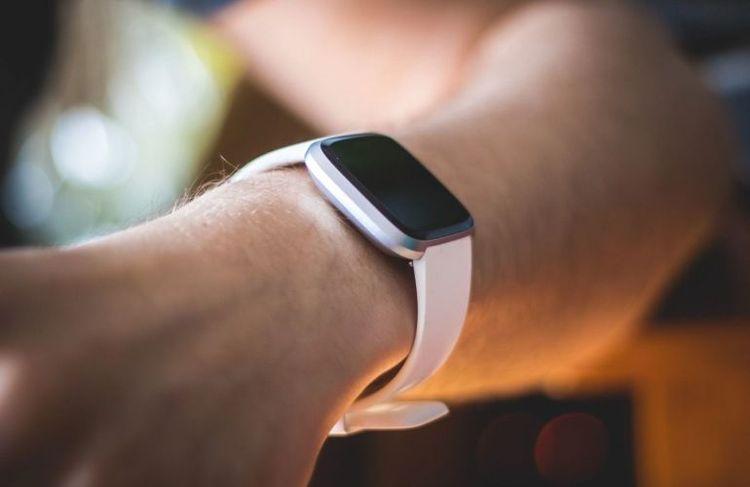
The FDA has issued consumer guidance on smartwatches and smart rings that claim to measure blood glucose non-invasively, noting that no such standalone wearable device is currently authorized and that inaccurate readings from these products may affect treatment decisions. No standalone smartwatch or ring on the market is authorized to measure blood glucose.
How to check any device:
- Look for an FDA 510(k) clearance number, De Novo authorization number, or PMA approval number in the product labeling.
- Search the FDA 510(k) database or the De Novo database using the device name or company name.
- If no authorization number appears, the device has not been cleared for clinical blood glucose monitoring.
Who Should Consider Non-Invasive Glucose Monitoring?
Non-invasive monitoring in its current form is most appropriate for specific populations, and this context matters for anyone exploring their options.
People with Type 2 diabetes not on insulin are the primary intended population for both Biolinq Shine and Dexcom Stelo (OTC). These individuals can benefit from glucose trend data to understand the impact of food, activity, and sleep without requiring the precision needed for insulin dosing decisions.
People with prediabetes can use glucose trend data to identify patterns, such as how a particular meal or exercise routine affects blood sugar, before a diagnosis of diabetes. According to the CDC, more than 96 million US adults have prediabetes, and most are unaware of it. Catching blood sugar patterns early can support behavior change that helps reduce the risk of macrovascular and other long-term complications.
Metabolic wellness and sports nutrition represent a growing use case. People without diabetes who want to understand how diet and exercise affect blood glucose are an expanding audience. Dexcom Stelo is the first OTC CGM explicitly cleared for this population (anyone 18 or older not on insulin).
People with Type 1 diabetes or insulin-dependent Type 2 diabetes should note that neither Biolinq Shine nor any current truly non-invasive device meets the accuracy threshold required for insulin dosing decisions. Established CGMs remain the clinical standard for this group. A doctor can advise on individual cases and the monitoring approach that fits a specific insulin regimen.
Gestational diabetes monitoring involves specific accuracy and real-time requirements. Minimally invasive CGMs are currently the non-fingerstick option with the strongest evidence base for this population. Truly non-invasive devices have not been validated for gestational diabetes management.
Non-Invasive vs. Minimally Invasive CGMs: A Side-by-Side Look
| Factor | Truly Non-Invasive (e.g., Biolinq Shine) | Minimally Invasive CGM (e.g., FreeStyle Libre 3 Plus, Dexcom Stelo) |
|---|---|---|
| Skin penetration | None | Small sensor filament under skin |
| FDA status (US, 2026) | De Novo cleared (Biolinq Shine only) | Multiple 510(k)-cleared options |
| Accuracy vs. fingerstick | Varies; limited clinical data | High; validated for clinical use |
| Suitable for insulin dosing | No | Yes (specific models) |
| Cost | Emerging; insurance coverage not yet established | $30 to $75 per sensor; Medicare coverage available for eligible patients |
| Wear duration | Ongoing (patch-based) | 10 to 15 days per sensor |
| OTC availability | Biolinq Shine (availability expanding) | Dexcom Stelo available OTC; others require prescription |
| Appropriate for T1D | Not validated | Yes |
| Appropriate for T2D (non-insulin) | Yes (Biolinq Shine) | Yes |
| Appropriate for prediabetes/wellness | Emerging | Yes (Dexcom Stelo) |
The choice between a truly non-invasive device and a minimally invasive CGM should reflect clinical needs, not comfort preferences alone. For anyone using insulin, the accuracy and validation history of established CGMs is a meaningful factor that a clinician can help evaluate.
An AI healthcare navigator can help clarify options before a clinic visit, particularly for those sorting through the range of devices now available without a prescription.

The Future: MIT Raman Spectroscopy, DiaMonTech, and Upcoming Technology
The pipeline of non-invasive glucose technology is more clinically advanced in 2026 than at any prior point.
MIT Raman Spectroscopy Wearable (December 2025) MIT's Laser Biomedical Research Center published results in December 2025 showing that a Raman spectroscopy device the size of a cell phone produced glucose accuracy comparable to two commercially validated CGMs in a controlled study. The team, led by senior author Jeon Woong Kang, is testing a wearable version in healthy and prediabetic volunteers. A larger hospital-based trial including people with diabetes is planned. The team is also working to validate accuracy across different skin tones. Full results are available via MIT News.
DiaMonTech (Infrared Laser) Berlin-based DiaMonTech has developed a photothermal sensing approach that uses an infrared laser to heat glucose molecules in skin tissue and detects the resulting temperature change. Their D-Base device received EU authorization for use in clinical settings. A handheld version (D-Pocket) and a wearable form factor (D-Sensor) are in development for broader market access.
Hagar GWave (Radiofrequency) The GWave by Israeli company Hagar uses radiofrequency waves to measure venous blood glucose directly, unlike CGMs that measure interstitial fluid. Data presented at the 2023 American Diabetes Association Scientific Sessions showed a high proportion of readings in Clarke Error Grid Zone A in a study population. A 2024 study with 75 participants reported accuracy across a wider glucose range. GWave has not yet received FDA clearance or CE marking, and results to date come from conference presentations rather than peer-reviewed publications.
Know Labs KnowU (Bio-RFID) Know Labs' Bio-RFID platform measures how radio waves interact with body tissue at different frequencies to create a biological signature for glucose quantification. Their KnowU device is a pocket-sized on-demand reader currently in active clinical development for FDA clearance.
The mid-infrared spectroscopy validation by Kaluza et al. (2025, Communications Medicine) and the visible-light PPG work by Kim et al. (ADA 2025) both represent peer-reviewed steps toward the accuracy thresholds required for clinical adoption. Research synthesized in RSC Sensors & Diagnostics (January 2025) notes that consistent accuracy across diverse populations remains the outstanding technical challenge for the field.
The Biolinq Shine De Novo clearance, Dexcom Stelo OTC availability, and MIT wearable data together represent the strongest simultaneous forward movement the field has seen. Progress is measurable, and the regulatory pathway is becoming clearer.
Frequently Asked Questions
Are non-invasive blood glucose monitors accurate? Accuracy varies significantly by technology and device. Truly non-invasive optical devices currently available to consumers have generally not met ISO 15197:2013 accuracy standards, as shown in clinical validation studies of PPG-based devices. Research-grade devices using Raman spectroscopy and mid-infrared spectroscopy have demonstrated higher accuracy in controlled settings. The first FDA-cleared insertion-free glucose sensor, Biolinq Shine, received De Novo authorization in September 2025 for non-insulin-dependent users.
Is there a blood glucose monitor that does not require finger pricking? Yes. Minimally invasive CGMs such as FreeStyle Libre 3 Plus, Dexcom Stelo, and the Eversense 365 measure glucose without finger pricks. Dexcom Stelo is available over the counter without a prescription for adults 18 and older who are not on insulin. Biolinq Shine (FDA De Novo cleared, September 2025) is the first insertion-free wearable glucose sensor to receive FDA authorization in the US.
What is the most accurate non-invasive blood glucose monitor? Among FDA-authorized devices, minimally invasive CGMs such as FreeStyle Libre 3 Plus and Dexcom G7 currently hold the strongest clinical accuracy record. Among truly non-invasive approaches, Raman spectroscopy and mid-infrared spectroscopy show the highest accuracy in peer-reviewed research settings. No standalone truly non-invasive consumer device as of 2026 has matched the clinical accuracy benchmarks of established CGMs for insulin-dependent populations. A doctor can advise on individual cases and which monitoring option fits a specific clinical situation.
Has the FDA approved any non-invasive glucose monitors? The FDA granted De Novo classification to the Biolinq Shine in September 2025, an insertion-free forearm patch intended for non-insulin-dependent users. The FDA has also cleared the Dexcom Stelo as the first OTC CGM for non-insulin users. Dexcom Stelo uses a subcutaneous filament, while Biolinq Shine does not pierce the skin. No device sold as a non-invasive smartwatch or smart ring for glucose monitoring has received FDA authorization, and the FDA has issued consumer guidance against relying on such products for treatment decisions.
A Note on Devices Sold Through Retail Channels
Searches for "non invasive glucose monitor amazon" or similar retail terms return a wide range of products, many of which are not FDA-cleared for glucose monitoring. The presence of a product in a major retail marketplace does not indicate regulatory clearance. Before purchasing any glucose monitor, check the FDA's device databases for the manufacturer's clearance or authorization status. For help navigating these options, an AI healthcare navigator can help identify credible monitoring tools from those without regulatory standing.
Summary
Non-invasive blood glucose monitoring has moved from a long-standing research goal toward early clinical reality. The Biolinq Shine De Novo clearance (September 2025) is a genuine regulatory first. Raman spectroscopy, mid-infrared sensing, and advanced algorithmic approaches have demonstrated meaningful accuracy progress in peer-reviewed research through 2025. The DiaMonTech, GWave, and Know Labs pipelines represent credible near-term candidates for further clinical validation.
For most people managing insulin-dependent diabetes today, established minimally invasive CGMs remain the most clinically validated option. For those with non-insulin-dependent Type 2 diabetes, prediabetes, or metabolic wellness goals, accessible options expanded significantly in 2024 and 2025. A doctor near you can help determine which monitoring approach fits individual clinical needs.