
Choosing between a smart ring and a smartwatch comes down to one question: what do you actually want your wearable to do for you? Both devices track your health. Both sync to a smartphone. But they are built around completely different ideas of what health monitoring should feel like on your body, and which one suits you depends on goals, lifestyle, and how you prefer to interact with your data.
This guide breaks down every meaningful difference, from sensor accuracy and battery life to sleep tracking, NFC payments, and notification handling, so you can make an informed choice.

Quick Comparison: Smart Ring vs Smartwatch
| Feature | Smart Ring | Smartwatch |
|---|---|---|
| Form factor | Finger-worn, screenless | Wrist-worn, screen display |
| Sleep tracking comfort | High (lightweight, no strap) | Moderate (bulk and strap tension) |
| Battery life | 5–8 days typical | 1–2 days typical |
| GPS | Phone-assisted only | Built-in (most models) |
| Real-time notifications | Haptic vibration only | Full display + haptic |
| ECG / AFib detection | Limited (Circular Ring 2 only) | Yes (Apple Watch, Samsung) |
| NFC payments | Select models only | Yes (most flagship models) |
| Subscription required | Oura: $5.99/mo; Samsung/others: no | Generally no |
| Best for | Sleep, recovery, passive health monitoring | Active workouts, connectivity, safety features |
What Each Device Is Actually Built To Do
A smart ring is a passive monitor. It sits on your finger and collects health data continuously: heart rate, heart rate variability (HRV), skin temperature, blood oxygen levels, and movement, without asking anything from you. There is no screen to check, no notification to dismiss. The data syncs to a companion app when you open it.
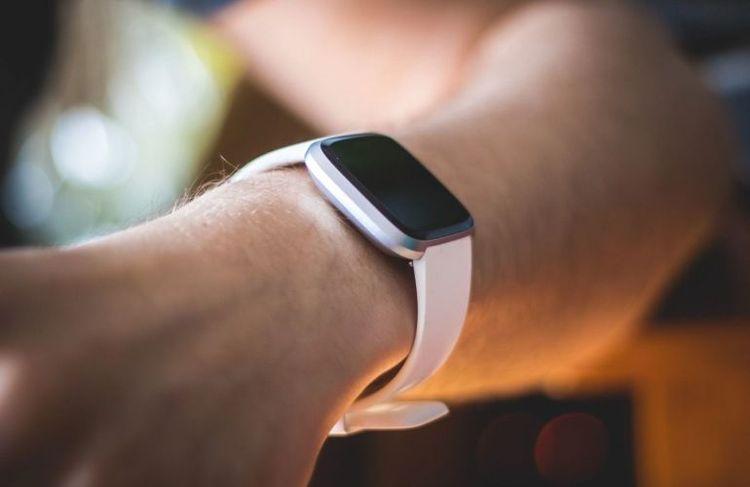
A smartwatch is an active companion. It extends your phone to your wrist: calls, texts, navigation, music controls, payment taps, and real-time fitness coaching, all on a display you glance at dozens of times each day.
Both devices use photoplethysmography (PPG) sensors, which are optical sensors that measure blood volume changes beneath the skin, to track heart rate and related metrics. The meaningful difference is where those sensors sit. Fingers have a denser network of blood vessels closer to the surface, which gives smart rings a positional advantage for capturing clean physiological signals, particularly during sleep when wrist movement is higher.
If passive all-day health monitoring is your priority, and you want that data interpreted over time, a ring's architecture was built for exactly that use case.
Sleep Tracking: Where Smart Rings Have a Measurable Advantage
Sleep tracking is the most-cited reason people choose a smart ring over a smartwatch, and the evidence supports that preference.
A 2024 meta-analysis published in Applied Sciences reviewed 19 studies on smart ring accuracy for cardiovascular and sleep parameters. According to the researchers, smart rings measured heart rate with a mean bias of just −0.4 beats per minute compared to clinical reference devices, a level of precision that supports reliable overnight monitoring. The same review found that rings show strong performance tracking cardiovascular parameters continuously throughout the night, though accuracy across specific sleep stages (REM, deep, light) showed variability across models and study populations.
A separate inpatient study compared the Oura Ring Gen 3, Fitbit Sense 2, and Apple Watch Series 8 against polysomnography (PSG), the gold-standard clinical sleep test. The study, published in Sensors, found that the Oura Ring detected sleep versus wakefulness with high sensitivity. All three devices showed measurable variation in sleep stage classification, particularly for deep and REM sleep detection, which is an industry-wide challenge rather than a flaw unique to any single device.
Where rings consistently outperform watches for sleep is compliance: most people find a ring light enough to forget they are wearing it overnight, while a smartwatch strap can create pressure at the wrist and interrupt sleep when a person rolls over. A device that stays on your finger all night produces more complete data than one that gets removed before bed.
According to Wareable's long-term testing, the Oura Ring 4 remains the top-rated smart ring for sleep tracking, combining polished sleep staging, nightly HRV measurements, and a Readiness Score that synthesizes overnight data into a single actionable number each morning. Wareable also highlights Oura's Symptom Radar feature, which uses temperature and HRV anomalies to flag physiological changes before symptoms appear, as a capability no mainstream smartwatch currently replicates.
The Samsung Galaxy Ring, RingConn Gen 2, and Ultrahuman Ring Air offer comparable overnight tracking without a monthly subscription fee, making them competitive for budget-conscious buyers. Each uses a combination of PPG sensors, an accelerometer, and a skin temperature sensor to build nightly sleep profiles. The specific algorithms each brand uses to classify sleep stages remain proprietary, which is why independent comparisons against PSG sometimes yield different accuracy figures across models.
For people managing conditions that affect sleep quality, a ring that captures a continuous, multi-week HRV baseline gives both the wearer and their care team a more complete picture than a single clinic visit produces. A doctor can advise on how to integrate wearable sleep data into individual care plans.
If you are also thinking about how physical activity habits affect sleep quality, the relationship between cycling and sleep is a useful companion read on how training patterns show up in overnight recovery data.
Heart Rate Variability and Recovery Scoring
HRV (heart rate variability, the variation in time between consecutive heartbeats) has become one of the most clinically meaningful metrics a wearable can track. Lower HRV can signal inadequate recovery, elevated stress, or early physiological disruption. Higher HRV, in the context of your personal baseline, generally reflects better cardiovascular adaptability.
Smart rings calculate HRV continuously overnight, when the body is at rest and motion artifacts are lowest. This produces a more stable, repeatable measurement than spot-check HRV readings taken during the day.
A 2025 systematic review in Biomimetics analyzed 107 studies covering approximately 100,000 participants. The review found that smart rings demonstrated high accuracy for heart rate (r² = 0.996) and heart rate variability (r² = 0.980) compared to gold-standard electrocardiography, with sleep detection sensitivity of 93–96%. The researchers noted that accuracy levels for core physiological parameters exceeded those reported for many wrist-worn devices, attributed in part to the finger's superior vascular anatomy and reduced motion artifacts.
This is the scientific basis behind the Readiness Score and similar recovery metrics: a reliable HRV baseline, captured nightly over weeks, tells you whether your body is ready to push hard or needs a lighter day.
People who wonder whether high blood pressure makes them feel tired or who are monitoring cardiovascular health alongside recovery may find that continuous HRV tracking from a ring surfaces patterns worth discussing with a physician.
Active Fitness Tracking: Where Smartwatches Lead
For structured workouts, smartwatches remain the stronger choice. Built-in GPS is the primary reason.
If you run, cycle, hike, or swim, a smartwatch records your precise route, pace per mile, elevation gain, and split times without a phone in your pocket. Smart rings lack integrated GPS. When a companion phone is nearby, some ring apps can pull in the phone's location data to attach a rough route post-workout, but this is not the same as real-time GPS guidance on your wrist.
Smartwatches also display real-time metrics during exercise: current heart rate zone, active calories, workout duration, and pace, on a screen you can glance at mid-stride. A smart ring produces no in-session feedback. You see the data later, in an app, after the workout ends.
For athletes who train by heart rate zones, pace targets, or interval timers, this real-time feedback gap is significant. For people who work out occasionally and want passive trend data, the gap matters less.
High-intensity exercise also introduces a PPG accuracy challenge for rings. During fast arm movements, rings can produce noisier heart rate readings than wrist-based sensors, which have larger optical arrays. This makes rings less reliable for tracking peak heart rate during sprints or high-intensity intervals, though for moderate-intensity activities like walking, yoga, or strength training, ring accuracy remains solid.
Smartwatches also add safety features that rings do not currently offer. The Apple Watch detects atrial fibrillation (AFib) with an FDA-cleared ECG sensor, detects hard falls and crashes, and places emergency SOS calls. These capabilities are particularly relevant for older adults, people with known cardiac conditions, and solo outdoor athletes. The Circular Ring 2 became the first smart ring with a built-in ECG sensor, but ECG-capable rings remain the exception rather than the rule.
Smart Ring Notifications, Alarms, and Haptic Feedback
Most smart rings offer haptic feedback: a gentle vibration for alarms or, on select models, incoming call alerts. The Samsung Galaxy Ring delivers a notification vibration when paired with a Galaxy Watch or compatible Samsung device. Smart ring alarm features typically allow a silent morning wake vibration, which is useful for light sleepers who share a bed. But smart ring notifications stop at vibration: there is no message preview, no response option, no voice assistant. If staying connected during the day is a priority, a smartwatch handles this more fully.
Battery Life: The Hidden Health-Data Advantage
Smart rings typically run 5–8 days on a single charge. According to Wareable's testing, the Oura Ring 4 delivers 7–8 days, and the Samsung Galaxy Ring manages 6–7 days depending on size. Most flagship smartwatches require daily or every-other-day charging.
The practical implication goes beyond convenience. A wearable that needs to come off for charging every night creates a gap in overnight health data, the very window when sleep staging and HRV are collected. A ring that lasts a week tracks seven consecutive nights without interruption, giving its algorithms more data to establish accurate personal baselines.
NFC, Smart Home, and Connected Features
Some smart rings include NFC (Near Field Communication) chips for contactless payments and smart home integration. NFC smart ring capabilities vary significantly by model and region:
- The Samsung Galaxy Ring does not currently support Samsung Pay directly from the ring itself.
- Dedicated NFC smart rings from brands like McLear are designed specifically for access control, transit payments, and smart home triggers, but typically lack PPG health sensors entirely.
- The smart ring for Tesla use case refers to third-party NFC rings programmed with a Tesla keycard profile to unlock compatible vehicles. This requires programming the ring to the car at the B-pillar NFC reader, and the functionality depends on the specific vehicle model's keycard support. It is not a built-in feature of any mainstream health-tracking ring.
Smartwatches handle NFC payments natively on nearly all flagship models (Apple Pay, Google Wallet, Samsung Pay) and integrate with home automation platforms more seamlessly than rings do today. For most users, a smartwatch is the simpler path to NFC functionality.
Cost, Subscriptions, and Ecosystem Fit
Upfront cost for leading smart rings runs $200–$399, comparable to a mid-range smartwatch. The ecosystem cost differs more substantially:
| Device | Upfront Price | Subscription |
|---|---|---|
| Oura Ring 4 | ~$349 | $5.99/month (required for full insights) |
| Samsung Galaxy Ring | ~$399 | None |
| Ultrahuman Ring Air | ~$349 | None |
| Apple Watch Series 10 | ~$399 | None (optional Apple Fitness+: $9.99/mo) |
| Garmin Forerunner 265 | ~$449 | None |
Wareable notes that Oura's subscription is justified for users who value its polished app, long-term trend insights, and features like Symptom Radar. Subscription-free alternatives from Samsung and Ultrahuman deliver strong core tracking without the recurring cost.
Ecosystem compatibility also matters. The Samsung Galaxy Ring works most deeply with Samsung Health on Android. Oura is cross-platform and syncs with Apple Health, making it a strong option for iPhone users. Apple Watch integrates exclusively with iPhone.
Women's Health Tracking
Smart rings have become a meaningful tool for cycle and hormonal health monitoring. Skin temperature measured overnight, an established physiological marker for ovulation, which causes a characteristic temperature rise, is a standard feature on most health-focused rings. Several ring platforms use nightly temperature patterns to predict fertile windows passively, without manual cycle logging.
According to Wareable, Oura released a dedicated women's health AI model trained on clinical research specific to female physiology, building on existing cycle insights, stress tracking, and readiness scoring with sex-specific adjustments that previous algorithms did not account for.
Apple Watch introduced wrist-based temperature sensing in Series 8, which can support retrospective ovulation estimates (confirming ovulation has occurred rather than predicting it in advance). Finger-based temperature measurement captured nightly with a ring that stays on during sleep generally produces more consistent readings for cycle analysis, primarily because rings are more reliably worn throughout the night than watches.
Rings also track stress markers, including elevated resting heart rate, suppressed HRV, and disrupted sleep, that correlate with hormonal fluctuations across the menstrual cycle. Over several months of continuous data, some users and their healthcare providers identify patterns that would be invisible from periodic clinic measurements alone.
A doctor can advise on how to interpret wearable-derived temperature and HRV data for individual reproductive health decisions, particularly for those managing conditions like PCOS or planning a pregnancy.
Should You Wear Both?
A growing number of health-conscious users wear a smart ring for sleep and recovery, and a smartwatch for daytime connectivity and workouts. This combination captures the strengths of both form factors without the compromises of either alone.
The Samsung Galaxy Ring integrates with the Samsung Galaxy Watch: wearing both simultaneously allows the watch to use ring data to improve its own tracking accuracy, and Samsung states that this combination extends the watch's battery life. Other ring and watch combinations require separate app ecosystems and do not share data as seamlessly.
The case against wearing both: it doubles the cost, requires managing two app platforms, and adds complexity to data interpretation when the two devices occasionally disagree on a metric.

Who Each Device Is Right For
Choose a smart ring if you:
- Prioritize sleep quality, overnight recovery, and HRV tracking
- Want to wear a watch you already own alongside a health sensor
- Prefer a screenless, distraction-free device
- Dislike wearing anything on your wrist to bed
- Are tracking hormonal health or cycle patterns
Choose a smartwatch if you:
- Train regularly and rely on real-time GPS and pace data
- Want notifications, calls, and messaging on your wrist
- Need safety features like fall detection, SOS, or ECG
- Prefer an all-in-one device that handles connectivity and health tracking together
Consider both if you:
- Do structured workouts several times per week and also want continuous overnight monitoring
- Use a Samsung Galaxy ecosystem (the Galaxy Ring + Galaxy Watch integration is currently the most seamless dual-device setup)
Not sure which direction fits your health goals? A doctor near you can help you think through which metrics matter most for your personal health picture before you invest in a device.
Frequently Asked Questions
Is a smart ring better than a smartwatch for health tracking?
It depends on which health metrics you care about most. Smart rings consistently outperform smartwatches for sleep tracking and overnight HRV measurement, primarily because they are more comfortable to wear continuously, including during sleep, and the finger location produces cleaner physiological signals at rest. A 2025 systematic review of 107 studies found smart rings achieved heart rate accuracy of r² = 0.996 compared to clinical ECG standards. For active workout tracking, GPS-based metrics, and safety features like ECG or fall detection, smartwatches lead. The right answer depends on your primary health goal.
Can a smart ring replace a fitness tracker?
For step counting, resting heart rate, sleep monitoring, HRV, and stress tracking, a smart ring replaces a traditional fitness tracker effectively. Where it falls short is during workouts: no real-time feedback, no built-in GPS, no sport-specific modes with live metrics. If your fitness tracking is primarily about recovery and long-term wellness trends, a ring covers the need. If you train with structured workouts and rely on in-session data, pairing a ring with a GPS watch is the stronger setup.
What does a smart ring do that a smartwatch can't?
The most meaningful difference is continuous passive monitoring without behavioral friction. Because a ring has no screen and no notifications to interact with, it stays on 24/7 more reliably, producing uninterrupted overnight data that informs sleep staging, body temperature trends, and HRV baselines. Some smart rings also detect pre-symptomatic physiological changes: Oura's Symptom Radar feature uses temperature and HRV anomalies to flag disruptions before symptoms appear, a capability built on years of continuous nightly data that a watch worn intermittently cannot replicate.
Do smart rings have GPS?
No current mainstream smart ring has built-in GPS. When a paired smartphone is nearby, some ring companion apps pull in phone GPS data to attach location and distance to a workout after the fact. This is not the same as real-time GPS: you cannot see your route, pace, or distance during a run, and accuracy depends on your phone staying within Bluetooth range. For reliable GPS-based workout tracking, a smartwatch or dedicated GPS sports watch remains the appropriate choice.
Are smart rings more accurate than smartwatches for sleep tracking?
Smart rings demonstrate consistently high sleep detection accuracy, with a 2024 meta-analysis finding 93–96% sensitivity for sleep detection compared to polysomnography. Specific sleep stage classification (distinguishing REM from deep from light sleep) remains an area of ongoing development for all wearables, rings and watches alike. The practical accuracy advantage rings hold is largely behavioral: a ring that someone actually wears all night produces better data than a watch removed before bed. For people who already sleep comfortably in a smartwatch, the accuracy gap between top-tier devices narrows considerably.