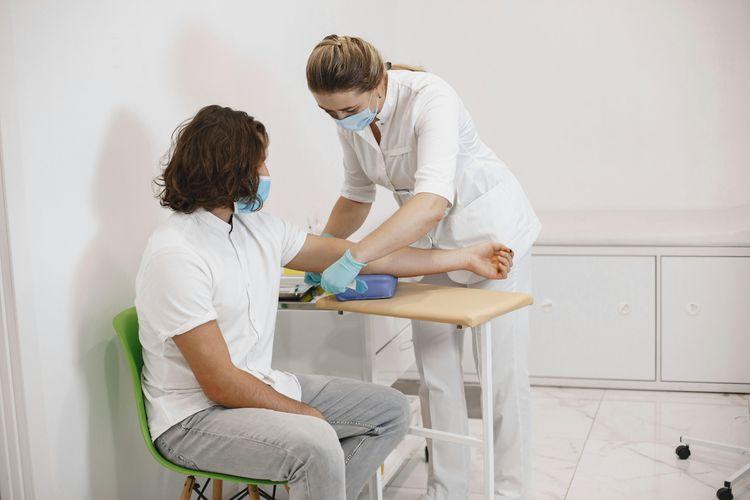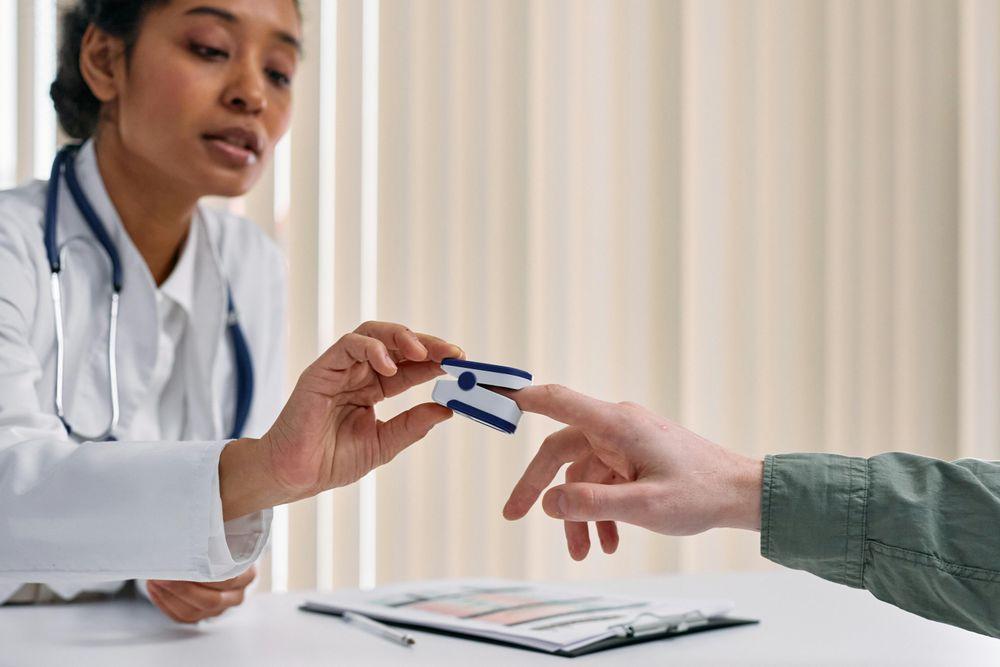


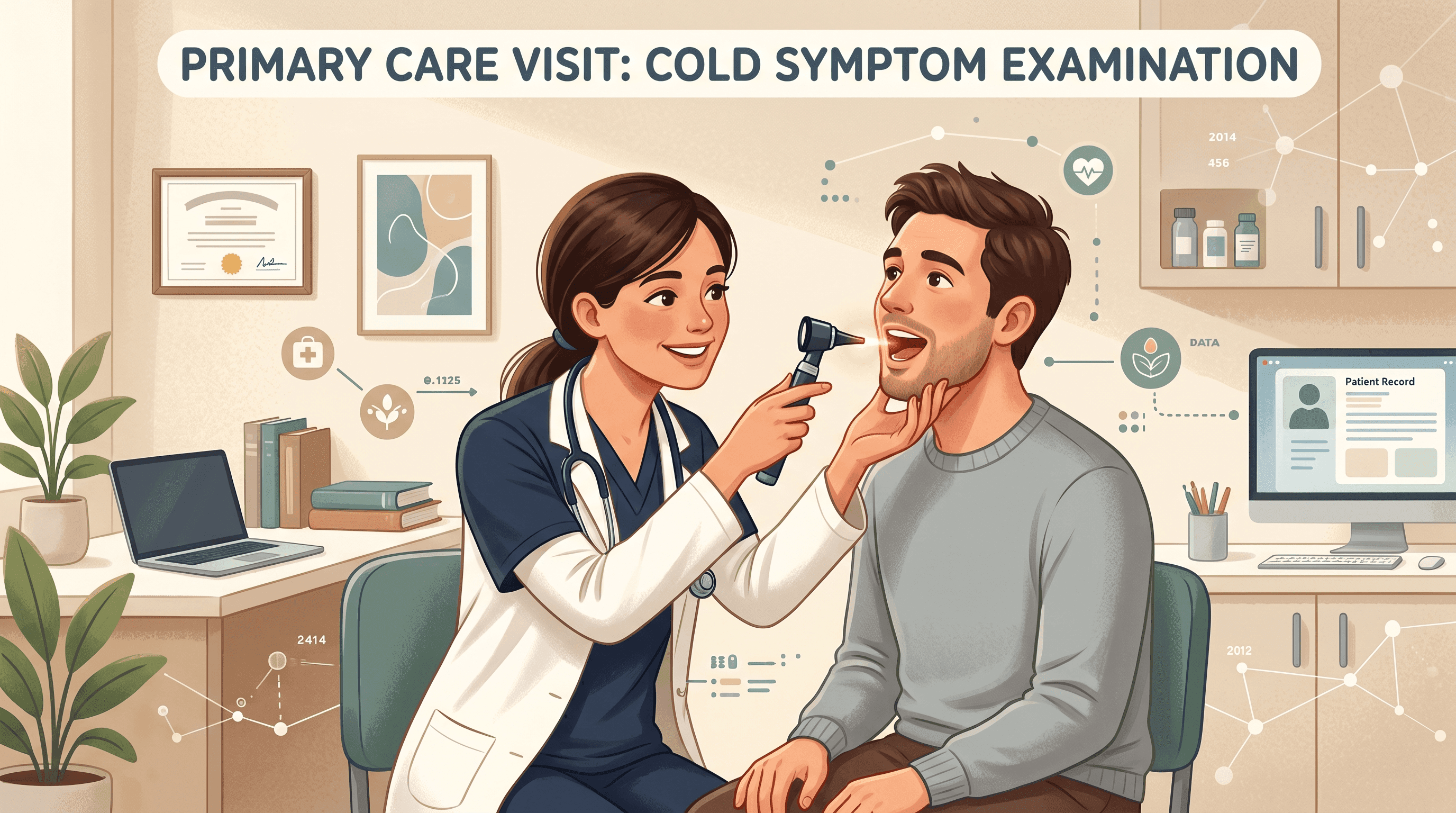
Your primary care physician (PCP) can absolutely see you for a cold but here is the honest answer: they cannot cure it. No one can. What a good PCP can do is make sure what you think is "just a cold" actually is one, manage your worst symptoms with prescription-strength relief when over-the-counter options fall short, and catch any complications before they turn into something more serious. That is a lot of value packed into one appointment. This guide walks through exactly what to expect from a PCP visit for cold symptoms, when to go, what can be prescribed, and when to skip the doctor's office entirely.
At a Glance
| Topic | Key Facts |
|---|---|
| Can a PCP treat a cold? | Yes, for symptom management and ruling out other illnesses |
| Can a PCP cure a cold? | No, colds are viral; there is no cure |
| Antibiotics for a cold? | Not helpful, colds are not caused by bacteria |
| When to see a PCP | Symptoms beyond 10 days, worsening fever, chest symptoms |
| Telehealth option? | Yes, many cold-related concerns qualify for a virtual visit |
| Risk of secondary infection | Real, bacterial infections can follow a viral cold |
The Short Answer: Symptom Relief, Not a Cure
A primary care doctor cannot make the rhinovirus responsible for your cold disappear. According to the Mayo Clinic, there is no cure for the common cold, and most cases resolve on their own within seven to ten days. What your PCP can do is meaningfully reduce your suffering, confirm you are not dealing with something more serious, and prescribe treatments that are simply not available off the shelf.
The visit earns its value not from a miracle prescription but from the clinical evaluation behind it.
The Hard Truth About Antibiotics
This is the most common misconception around cold care, and it is worth addressing head-on.
Antibiotics do not work on colds. Full stop.
Research published in the British Medical Journal has consistently shown that antibiotic prescribing for acute respiratory infections caused by viruses provides no clinical benefit and carries real risks, including antibiotic resistance and gastrointestinal side effects. Colds are caused by viruses, most commonly rhinoviruses. Antibiotics are designed to target bacteria. Giving one to fight a virus is like sending a plumber to fix an electrical problem.
A responsible PCP will not prescribe antibiotics for a straightforward cold, and that is actually a sign of good medicine, not indifference. The value of the visit lies elsewhere.
"Antibiotic prescribing for upper respiratory tract infections remains a major driver of antibiotic resistance worldwide."
— BMJ, PMC1113448
What Your PCP Can Actually Prescribe
So if antibiotics are off the table, what can a primary care doctor actually offer?
More than most people realize. When over-the-counter cold remedies are not cutting it, a PCP has several prescription options available.
Prescription cough suppressants like benzonatate (Tessalon Perles) are significantly more effective for persistent, sleep-disrupting coughs than anything found in a pharmacy aisle. Strong oral decongestants can provide relief when nasal congestion becomes severe or causes facial pressure and pain. For patients with significant airway inflammation or wheezing, a short course of oral corticosteroids may reduce swelling in the airways, and an albuterol inhaler can be prescribed to manage bronchospasm, that tight, wheezy feeling in the chest that sometimes accompanies a bad respiratory illness.
None of these options require a specialist. A primary care doctor can evaluate, prescribe, and follow up, all in the same practice.
The Differential Diagnosis: Is It Really Just a Cold?
Here is where a PCP visit delivers its clearest clinical value.
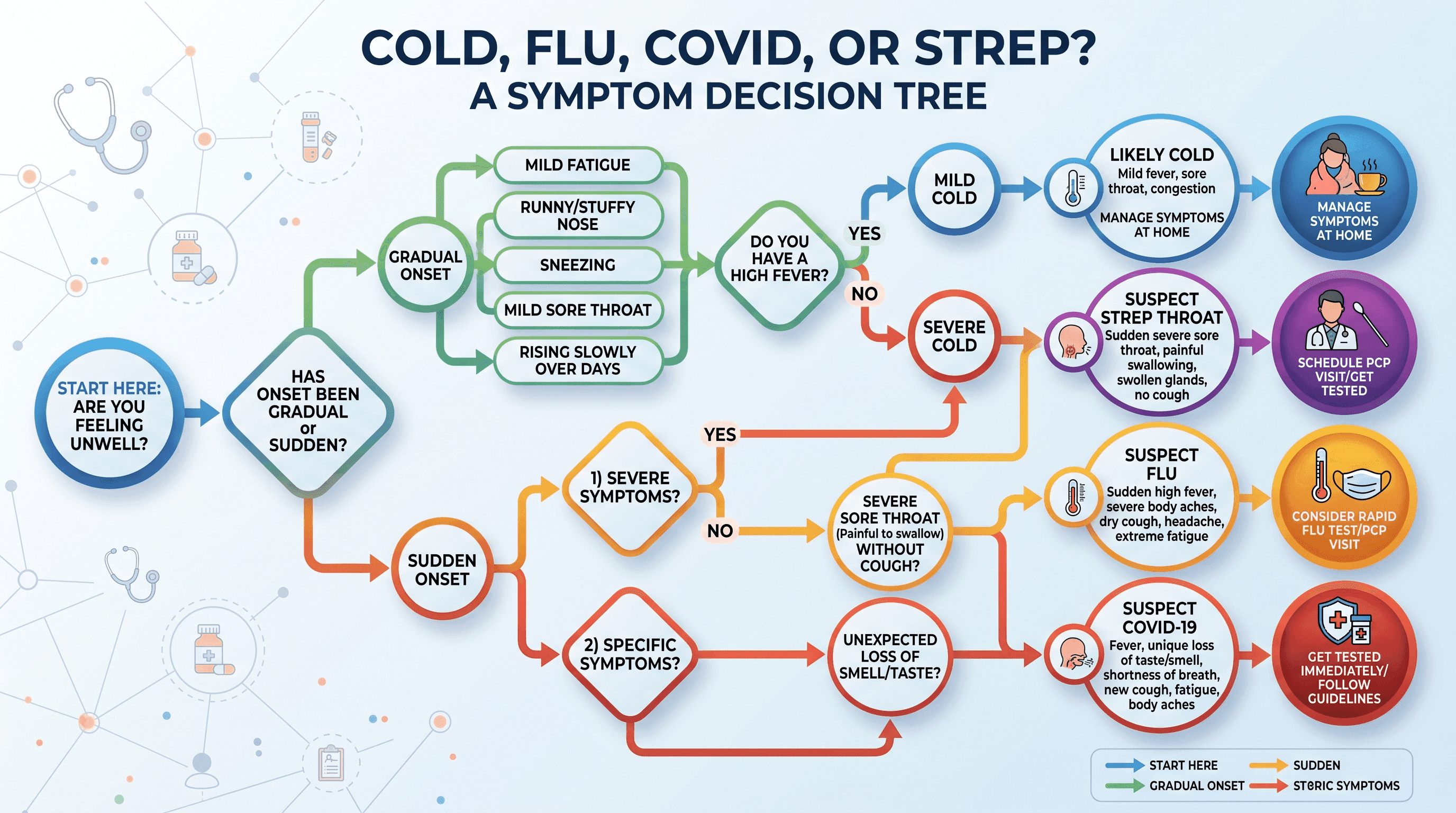
The symptoms of a common cold, runny nose, sore throat, cough, fatigue, mild fever, are nearly identical to the early presentation of influenza, COVID-19, RSV (respiratory syncytial virus), and strep throat. Each of those conditions has a different trajectory, different risk profile, and different treatment pathway. A primary care office can run rapid in-office swabs for flu, COVID-19, and strep in minutes.
That distinction matters for treatment. If a rapid flu test comes back positive and symptoms started within the last 48 hours, a PCP can prescribe oseltamivir (Tamiflu), an antiviral that, according to the CDC, can shorten the duration of illness and reduce the risk of serious complications. COVID-19 antivirals like Paxlovid similarly require early diagnosis. Neither of those treatment windows stays open for long, which is one concrete reason to get evaluated promptly rather than waiting it out at home.
Strep throat, caused by the bacteria Streptococcus pyogenes, looks and feels very similar to a viral sore throat but does require antibiotics, and if left untreated, can lead to complications including rheumatic fever. A rapid strep test takes about five minutes and removes all the guesswork.
Catching the Secondary Infection Before It Catches You
This section addresses the most underappreciated reason to see a doctor when a cold drags on.
A common cold weakens the mucous membranes lining your sinuses, ears, and airways, and that creates an opening for bacteria to move in. Research published in PMC has documented the well-established pattern of secondary bacterial infections following viral upper respiratory illness. These secondary infections include bacterial sinusitis, acute otitis media (a middle ear infection), and bacterial bronchitis, all of which do respond to antibiotics and may require them to resolve.
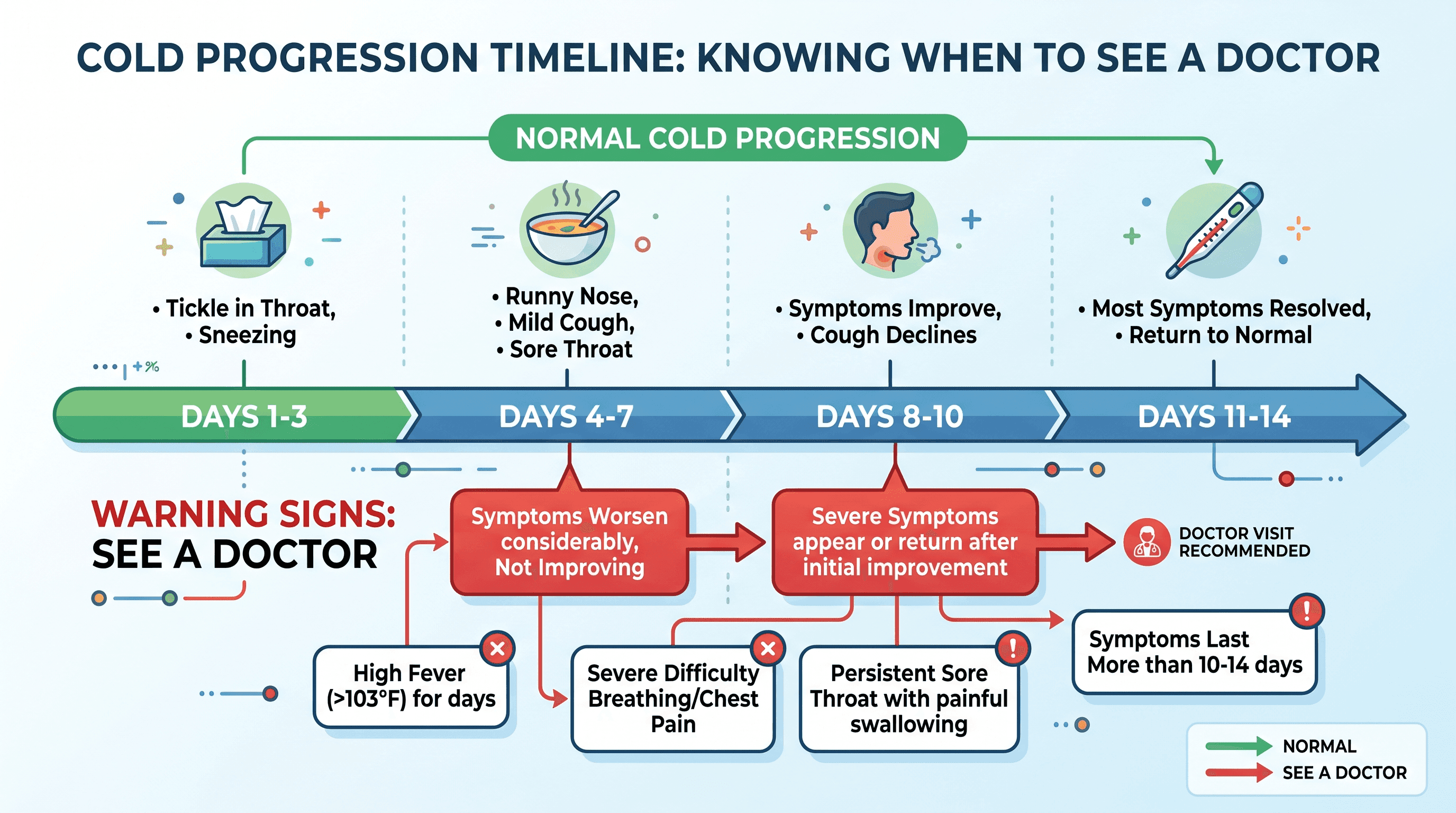
The clinical red flag is a symptom pattern that initially improves, then gets noticeably worse again. A fever that breaks and returns, congestion that clears and then comes back with increased facial pain, or a cough that shifts from dry to productive with yellow or green mucus, these are signals worth evaluating. A PCP can examine the ears, nasal passages, and lungs, and make a call about whether bacteria have joined the picture.
The Timeline: When to Actually Book the Appointment
Most colds do not require a doctor visit. If symptoms are mild, improving, and comfortably managed with rest, fluids, and over-the-counter relief, a visit is not necessary. But several specific scenarios warrant picking up the phone.
Call your PCP if any of the following apply:
Symptoms have not improved after 10 days, which is outside the normal viral course for a cold. A fever that resolved after a few days has returned, which may indicate a secondary bacterial infection has developed. Fever rises above 103°F (39.4°C) at any point. There is significant difficulty breathing, chest tightness, or wheezing that is new or worsening. There is severe pain in the sinuses, ears, or throat rather than mild discomfort.
For children, older adults, pregnant individuals, and anyone who is immunocompromised, those thresholds shift lower, meaning earlier evaluation is warranted.
Telehealth vs. Urgent Care vs. In-Person PCP
Knowing where to go, and when, is half the battle.
A telehealth visit with your PCP is the right call for a cold when symptoms are manageable but prescription-strength relief would help, or when you want a clinician to assess whether a secondary infection might be developing based on your symptom description. Many PCPs now offer same-day virtual appointments, and telehealth coverage has expanded significantly. Congress extended Medicare telehealth flexibilities through the end of 2026, meaning video visits with a primary care provider remain covered for most Medicare beneficiaries. If a prescription for a cough suppressant or decongestant is what you need, this is often the most efficient route.
An in-person urgent care visit makes sense when a PCP appointment is not available and symptoms are escalating, particularly if a rapid strep or flu swab is needed, a chest X-ray is warranted to rule out pneumonia, or it is a weekend and waiting until Monday feels risky given the direction symptoms are heading.
The emergency room is for genuinely life-threatening presentations: difficulty breathing that is severe and sudden, oxygen saturation that drops noticeably, chest pain that is persistent or radiating, signs of stroke, or a very high fever in an infant under three months. The ER is not the right setting for a bad cold, and the cost differential is significant, a typical ER visit runs substantially higher than either a PCP or urgent care visit, often by several hundred to several thousand dollars, depending on what is done.
If you have a PCP and are unsure whether your symptoms warrant a visit, many practices offer nurse triage by phone, a quick call can help you figure out the right next step without leaving home.
If your symptoms are complex, worsening, or you simply want professional guidance before deciding where to go, you can connect with a primary care provider through Momentary's virtual care platform, same-day availability, no driving required.
Doctor-Approved Home Remedies
The evidence base for home cold care is not glamorous, but several strategies genuinely work and most PCPs recommend them alongside any prescription treatment.
Saline nasal irrigation, using a neti pot or saline spray, reduces nasal congestion by physically clearing mucus and has support in the clinical literature for reducing symptom severity. Staying well-hydrated thins mucus secretions and helps the body maintain its natural clearing mechanisms. Running a humidifier in the bedroom adds moisture to the air and reduces irritation of already-inflamed airways. For body aches and fever, alternating acetaminophen (Tylenol) and ibuprofen (Advil) can provide more consistent relief than using either medication alone, though a pharmacist or doctor can advise on appropriate timing and dosing. Rest is not a cliche, sleep is when the immune system does its most active work, and pushing through a cold often extends it.
Honey has genuine evidence for soothing a cough in adults and children over one year of age. Zinc lozenges taken within the first 24 hours of symptom onset have shown modest benefit in some studies. Vitamin C supplementation does not prevent colds but may marginally reduce duration in people who take it regularly.
Frequently Asked Questions
What kind of doctor treats colds?
A primary care physician, which includes family medicine doctors, internal medicine doctors, and general practitioners, is the right starting point for cold care. Nurse practitioners and physician assistants working in primary care or urgent care settings can also evaluate and treat cold symptoms. There is no need to see a specialist for a cold.
Does having a cold raise your heart rate?
Yes, it can. Fever is the main driver, the body increases heart rate to support the immune response and manage elevated body temperature. Even a mild fever can push resting heart rate noticeably higher. Dehydration, which often accompanies illness, also contributes. In most otherwise healthy adults, this is temporary and resolves as the fever breaks. Anyone with a pre-existing heart condition should contact their care team if they notice significant or sustained heart rate changes during illness.
Can a doctor cure a common cold?
No. According to the Mayo Clinic, there is no cure for the common cold. Colds are caused by viruses, most often rhinoviruses, and the immune system clears them on its own over seven to ten days. A doctor can manage symptoms, rule out other illnesses, and treat any complications that arise, but cannot eliminate the underlying virus.
Will doctors operate if I have a cold?
Generally, elective and non-urgent surgeries are postponed when a patient has an active cold or upper respiratory infection. Active illness increases the risk of respiratory complications during general anesthesia. Surgeons and anesthesiologists typically recommend waiting until symptoms have fully resolved, usually at least two weeks, before proceeding with non-emergency procedures. Emergency surgeries are performed regardless of cold status, with appropriate precautions.
When should I stop trying to manage a cold at home and see a doctor?
The clearest signals are: symptoms that have not improved after 10 days, a fever that returns after initially resolving, fever above 103°F, significant difficulty breathing, or severe pain in the ears, sinuses, or throat. For young children, older adults, and immunocompromised individuals, evaluation is warranted earlier and at lower thresholds.
Can a primary care doctor prescribe anything for a cold that actually helps?
Yes, not a cure, but meaningful relief. A PCP can prescribe benzonatate for a persistent cough, stronger decongestants when over-the-counter options fail, short-term steroids for airway inflammation, and an inhaler for wheezing. If rapid testing reveals flu or COVID-19, antivirals can be prescribed within the treatment window. If a secondary bacterial infection develops, antibiotics become appropriate at that stage.
When in Doubt, Start with Your Primary Care Doctor
A primary care doctor who knows your history can do something urgent care never can: put your symptoms in context. They know whether you have asthma that could complicate a respiratory illness, whether you take medications that interact with certain cold treatments, and whether something similar happened to you last winter and turned into bronchitis. That context changes every recommendation.
For minor cold symptoms that are improving, rest at home. But when symptoms are worsening, persisting, or simply worrying you, start with your PCP, in person or virtually. Building that relationship before you are sick means the visit works better when you are.
To start exploring your symptoms and understand when a doctor visit makes sense, you can use Momentary's AI health navigator to get personalized guidance on your next step, whether that is home care, a telehealth visit, or something more urgent.
References
- Mayo Clinic — Common Cold: Diagnosis and Treatment — Cited for statement that there is no cure for the common cold and typical resolution timeline.
- PMC1113448 — BMJ: Antibiotic prescribing for upper respiratory infections — Cited for evidence that antibiotics provide no benefit for viral respiratory infections and contribute to antibiotic resistance.
- PMC5050368 — Secondary bacterial infections following viral respiratory illness — Cited for documented pattern of bacterial secondary infections following viral colds.
- PubMed 18237071 — Supporting reference on upper respiratory illness clinical management.
- PubMed 9834772 — Supporting reference on rhinovirus etiology and cold treatment limitations.