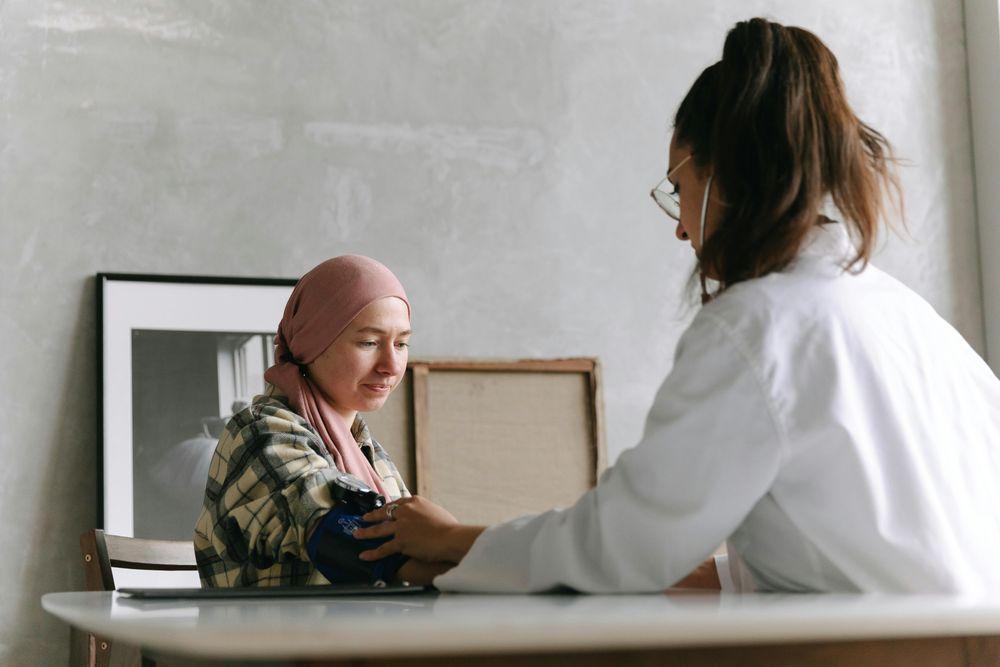


Your primary care doctor handles far more than you may think. From managing a new prescription for high blood pressure to catching early signs of depression to stitching a small wound, a primary care physician (PCP) is trained to address the vast majority of medical concerns an adult or child will face across a lifetime. For most people, this one provider is the starting point for nearly every health decision.
At a Glance
| Topic | Key Facts |
|---|---|
| What a PCP treats | Acute illnesses, chronic diseases, preventive care, mental health, skin conditions, gender-specific health |
| What a PCP cannot treat | Complex surgeries, advanced cardiac conditions, cancer treatment, advanced neurological disorders |
| Mental health | PCPs manage roughly two-thirds of depression treatment in the U.S. |
| Prescribing authority | PCPs can prescribe antibiotics, blood pressure medications, antidepressants, contraceptives, and more |
| Referral role | PCPs coordinate specialist referrals when a condition exceeds their scope |
| Telehealth | Many PCP visits, including follow-ups and prescription renewals, are available virtually |
What Is a Primary Care Doctor?
A primary care doctor is a physician trained to serve as a patient's first contact for nearly any health concern. Think of a PCP as the quarterback of your healthcare team: they diagnose, treat, monitor, and coordinate care across specialties, and they do it with a long-term view of your overall wellbeing rather than a single-system focus.
PCPs build longitudinal relationships with patients, meaning they track health trends over time in a way an urgent care clinic or a specialist simply cannot. That continuity is what makes primary care uniquely valuable for managing conditions that evolve slowly, like hypertension or diabetes, and for catching problems that a one-time visit might miss.
Types of Primary Care Doctors
Family medicine physicians are trained to treat patients of all ages, from infants to older adults, including both acute and chronic conditions. They are the most common PCP type in the U.S.
Internists (internal medicine physicians) specialize in adult medicine and are particularly skilled in managing complex, multi-system chronic diseases. An internist treats conditions like hypertension, diabetes, and thyroid disorders with considerable depth.
Pediatricians focus exclusively on children from birth through young adulthood, managing both sick visits and developmental milestones.
Med-peds physicians are dual-trained in both internal medicine and pediatrics, making them versatile for families who want a single provider across all ages.
Common Conditions a Primary Care Doctor Treats
This is the core question, and the honest answer is: quite a lot. PCPs are trained across a wide spectrum of medicine, and most health concerns fall comfortably within their scope.
Acute Illnesses and Infections
When something goes wrong quickly and needs attention within days, a primary care doctor is almost always the right call. PCPs diagnose and treat upper respiratory infections, strep throat, influenza, sinusitis, ear infections (otitis media), urinary tract infections (UTIs), pink eye (conjunctivitis), and COVID-19 symptoms without a specialist referral.
A PCP can order rapid diagnostic tests in the office, prescribe antibiotics or antivirals, and manage your recovery directly. For the great majority of common infections, there is no need to escalate to a specialist.
Chronic Disease Management
One of the most valuable roles a primary care doctor plays is managing conditions that require ongoing monitoring, medication adjustment, and lifestyle coordination over years or even decades. According to the NIH, primary care is the central pillar of chronic disease management in the U.S. healthcare system.
PCPs regularly manage type 2 diabetes, hypertension (high blood pressure), high cholesterol (hyperlipidemia), obesity, hypothyroidism and hyperthyroidism, asthma, chronic obstructive pulmonary disease (COPD), gastroesophageal reflux disease (GERD), and osteoarthritis. For each of these, a PCP orders labs, adjusts medications, tracks trends over time, and flags when a patient needs to see a specialist.
What separates a PCP from urgent care in this category is continuity. A PCP who has seen a patient for five years knows what their A1C looked like two years ago and can recognize a subtle but meaningful shift.
Preventive Care and Screenings
Prevention is where primary care earns its most lasting value. PCPs conduct annual wellness exams (often called physicals or well visits), administer vaccines across all age groups, and order age-appropriate screenings before symptoms ever appear.
The U.S. Preventive Services Task Force (USPSTF), which sets national screening recommendations, provides the framework PCPs use to determine which tests are appropriate at which ages. Blood pressure screening, lipid panels, fasting glucose tests, colorectal cancer screenings, mammograms, cervical cancer screenings (Pap smear), lung cancer screenings for high-risk smokers, and abdominal aortic aneurysm screening for older male smokers all fall within a PCP's routine preventive scope.
These screenings are typically covered at no cost under the Affordable Care Act when performed as preventive care, which makes the PCP visit an especially practical first step.
Mental Health Conditions
Primary care doctors now serve as the front line of mental health care for millions of Americans, and this role is larger than most patients realize. According to research published in PMC (National Institutes of Health), approximately two-thirds of depression treatment in the United States happens in primary care settings, not psychiatric offices.
A PCP can screen for depression using the PHQ-9 (Patient Health Questionnaire-9), assess anxiety using the GAD-7 (Generalized Anxiety Disorder scale), and evaluate for common presentations of ADHD, insomnia, and stress-related disorders. When a diagnosis is confirmed, PCPs can prescribe first-line medications including SSRIs (selective serotonin reuptake inhibitors) for depression and anxiety, and they can co-manage care alongside a therapist or psychologist.
PCPs refer to psychiatrists when symptoms are severe, when medications are not working, or when a condition like bipolar disorder requires specialized diagnosis. But the starting point is almost always the PCP.
"Primary care clinicians are now the de facto mental health system for the country." PMC / NIH, 2021
Skin and Minor Injury Care
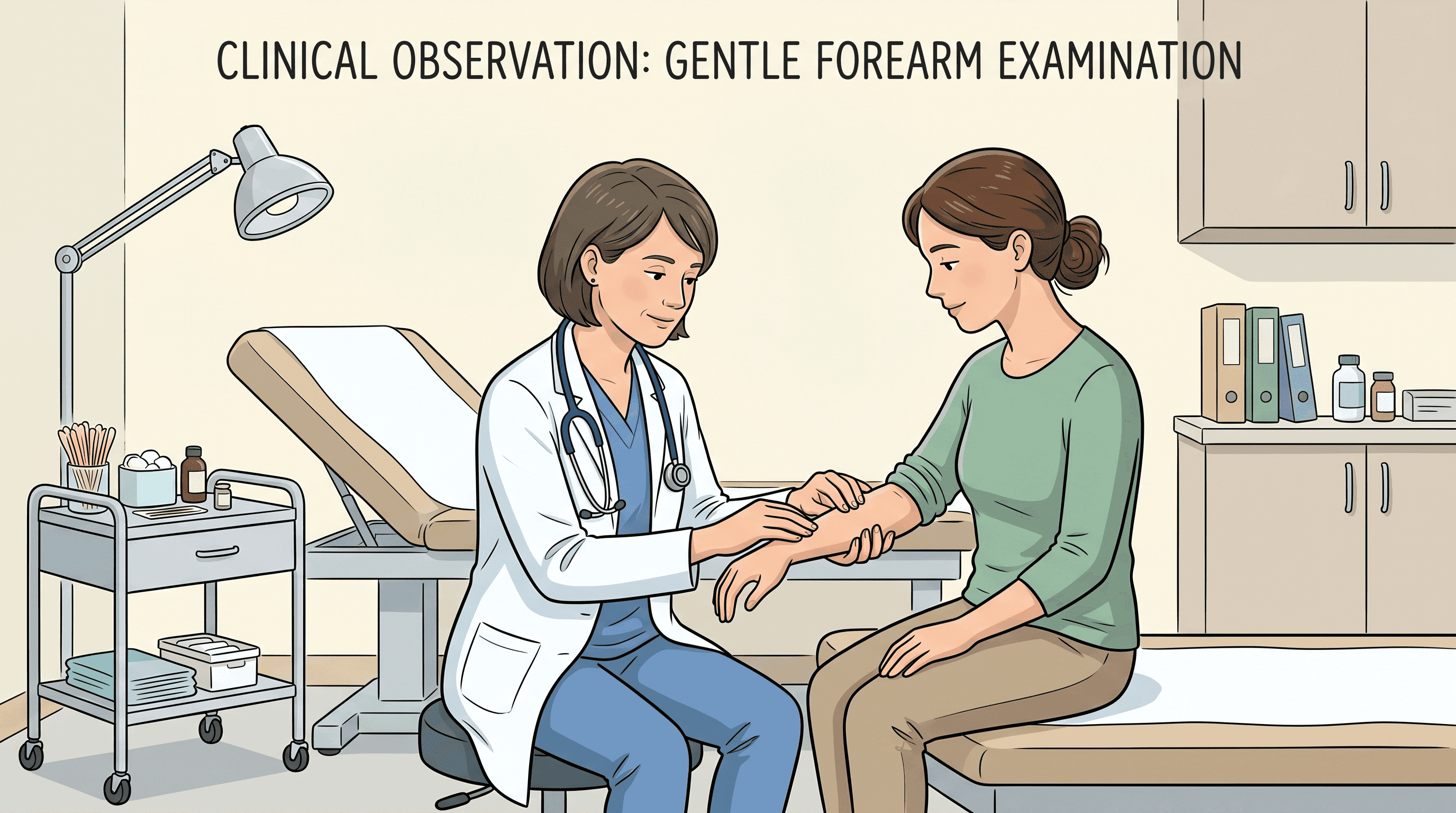
Patients are often surprised to learn that their primary care doctor can evaluate and treat a wide range of skin concerns without sending them to a dermatologist. PCPs routinely manage acne, eczema (atopic dermatitis), contact dermatitis, impetigo, rashes of unknown origin, and fungal skin infections. For moles and skin lesions, a PCP performs an initial visual evaluation and refers to dermatology when features are concerning for malignancy.
On the injury side, PCPs handle minor lacerations, wound care, sprains, muscle strains, and simple fractures (depending on training and available imaging). For anything requiring surgery or casting, the PCP coordinates the referral but often manages follow-up care.
Women's Health and Men's Health Basics
Primary care covers gender-specific preventive and routine care for both women and men, often eliminating the need for specialist visits for straightforward concerns.
For women, PCPs perform Pap smears and HPV testing, prescribe oral contraceptives and other hormonal birth control, screen for and treat STIs, manage symptoms of perimenopause, and order mammograms. Referral to an OB-GYN is appropriate for obstetric care, complex gynecological conditions, or when a pelvic concern requires procedural evaluation.
For men, PCPs conduct prostate cancer screenings (PSA tests) based on age and risk, monitor testosterone levels, address sexual health concerns, and screen for STIs. Referral to urology is warranted when a urological condition needs surgical or procedural intervention.
What a Primary Care Doctor Cannot Treat
A skilled PCP knows exactly when a condition exceeds their scope, and part of their value is acting as a competent triage director who connects patients to the right specialist efficiently.
PCPs generally refer out for complex cardiac conditions requiring catheterization or electrophysiology (to cardiology), advanced cancer treatment including chemotherapy and radiation (to oncology), neurological disorders like epilepsy requiring specialized imaging interpretation or complex medication management (to neurology), orthopedic surgery for fractures requiring fixation or joint replacement (to orthopedics), and conditions requiring endoscopy or colonoscopy interpretation beyond screening (to gastroenterology).
The key distinction: a PCP can often initiate the evaluation, order preliminary tests, and stabilize a patient before that referral happens. They remain part of the care team even after a specialist is involved.
Primary Care Doctor vs. Urgent Care vs. Emergency Room
Choosing where to go when something goes wrong is one of the most practical healthcare decisions a patient makes. Using the wrong setting costs time, money, and sometimes quality of care.
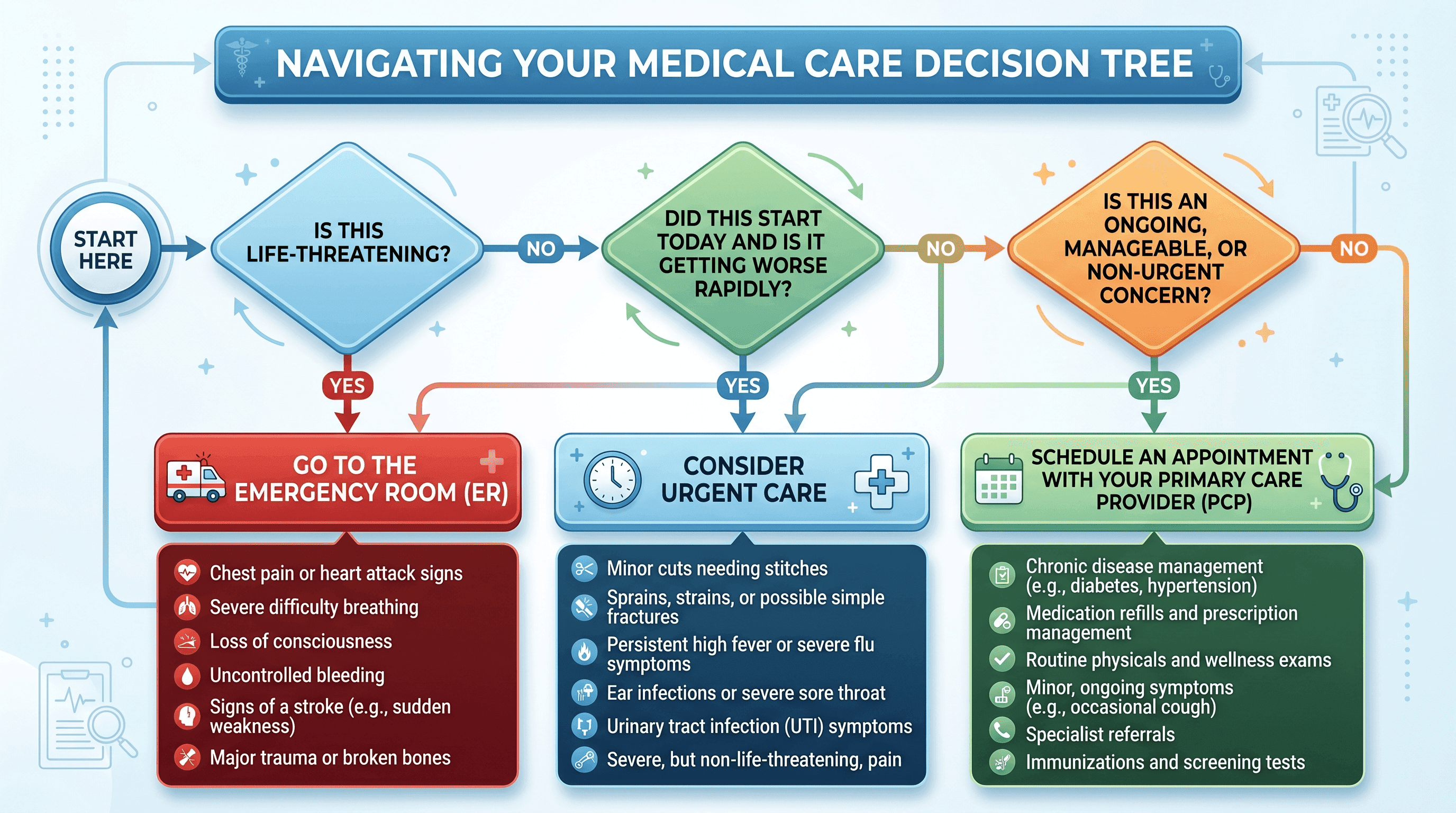
See your primary care doctor for: prescription refills and medication management, chronic condition follow-ups, new symptoms that are not worsening rapidly, preventive screenings and annual physicals, mental health concerns, skin issues, and minor injuries that do not require imaging.
Go to urgent care for: same-day concerns your PCP cannot accommodate, minor injuries like sprains or small lacerations, illnesses occurring outside of office hours, and situations where you need results the same day but do not have a life-threatening emergency.
Go to the emergency room for: chest pain with difficulty breathing, signs of stroke (sudden weakness, facial drooping, speech difficulty), severe allergic reactions (anaphylaxis), uncontrolled bleeding, loss of consciousness, or any situation where waiting could result in lasting harm.
A useful rule: if a condition has been building for days or weeks, a PCP visit is almost always appropriate. If it is happening right now and feels genuinely dangerous, the ER is the right call.
Mental Health and Behavioral Health
Primary care physicians are not just capable of treating mental health conditions; for most patients, they are the most accessible and practical entry point. A PCP does not require the months-long waitlist that often comes with psychiatric appointments, and because they already know a patient's medical history, they can identify physical contributors to mood and cognition that a mental health-only provider might miss.
The clinical pathway typically works like this: a patient mentions feeling persistently low or anxious, the PCP administers a standardized screening tool (PHQ-9 or GAD-7), reviews the results, rules out thyroid dysfunction or anemia as contributing factors, and then either initiates a medication trial or provides a warm handoff to a therapist.
According to research in PMC, collaborative care models where a PCP works alongside behavioral health specialists within the same practice improve outcomes for depression and anxiety more effectively than either provider working alone.
PCPs can prescribe SSRIs and SNRIs (serotonin-norepinephrine reuptake inhibitors) for depression and anxiety, sleep aids for short-term insomnia management, and stimulant medications for ADHD in adult patients (with appropriate evaluation). Referral to psychiatry happens when first-line treatments do not work, when a more complex diagnosis like bipolar disorder or psychosis is suspected, or when medication complexity exceeds the PCP's comfort level.
If you are experiencing anxiety, low mood, or difficulty functioning and have not yet spoken with a doctor, scheduling a visit with a primary care provider through Momentary is a practical and low-barrier first step.
How to Make the Most of Your Primary Care Visits
Getting real value from a PCP visit takes a small amount of preparation, especially for annual physicals or complex chronic condition follow-ups.
Before the appointment, bring a current list of all medications including over-the-counter drugs and supplements, write down the top two or three concerns to address, and note any family history that has changed since the last visit. If managing a chronic condition, track relevant metrics at home beforehand, such as blood pressure readings or blood glucose logs, since trends are more useful to a PCP than a single data point.
Visit frequency matters too. Most healthy adults benefit from at least one annual wellness visit, while patients managing chronic conditions often benefit from appointments every three to six months. Many routine follow-ups, such as medication renewals and lab review, can now happen via telehealth, which removes a significant logistical barrier for patients with busy schedules.
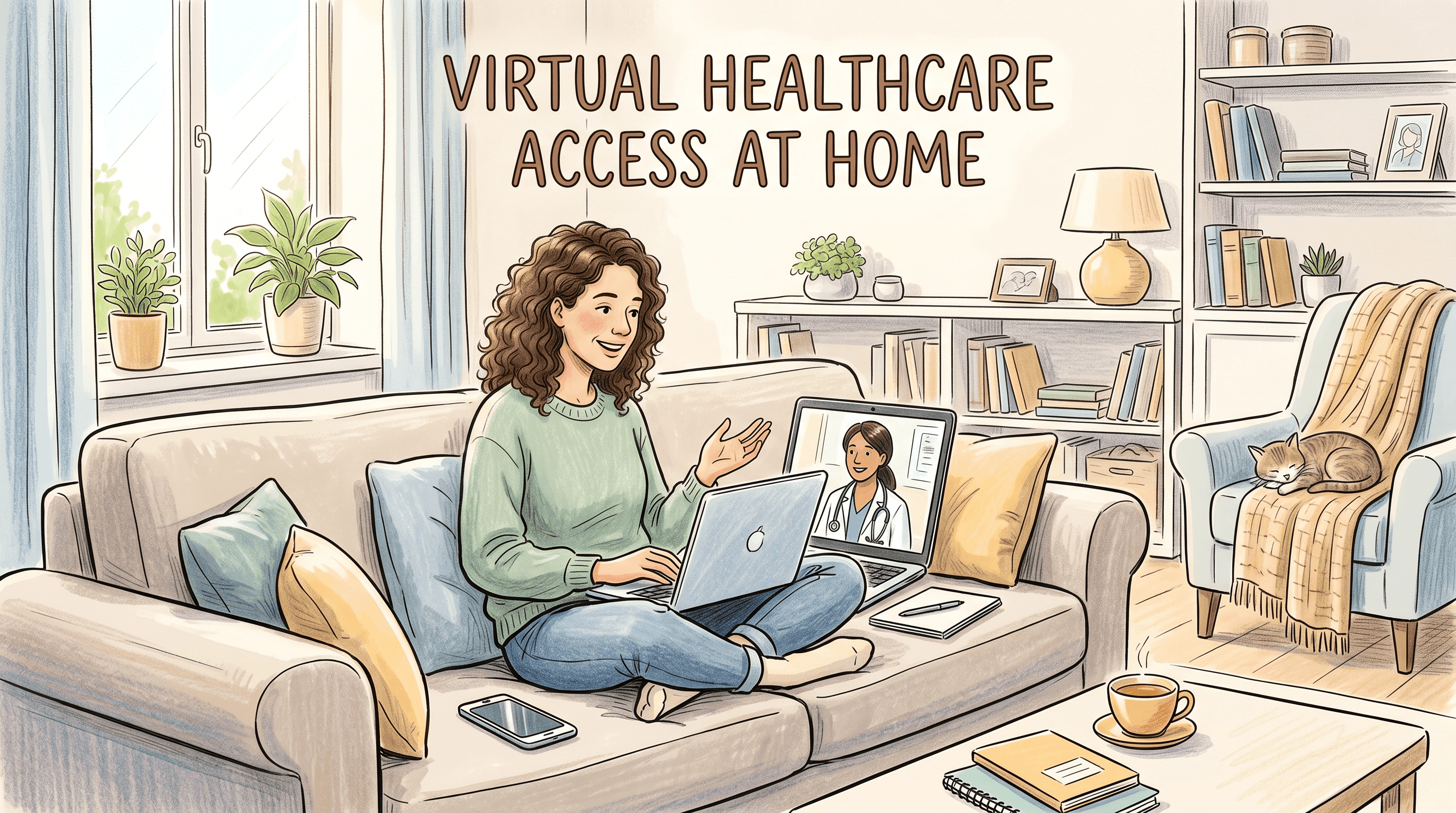
The Cleveland Clinic describes the PCP as a "whole-person" provider, meaning that unlike specialists who focus on a single organ or system, a PCP considers how all aspects of health interact. That perspective is most useful when a patient comes in prepared to share the full picture.
Frequently Asked Questions
What are the four primary care services? The four core service categories in primary care are preventive care (screenings, immunizations, physicals), acute care (sick visits and infections), chronic disease management (ongoing conditions like diabetes or hypertension), and behavioral or mental health care. Some frameworks also include rehabilitative care and coordination of specialist services.
What are the most common diagnoses in primary care? According to research published in PMC, the most frequently diagnosed conditions in U.S. primary care settings include hypertension, hyperlipidemia, diabetes, depression, obesity, anxiety disorders, upper respiratory infections, hypothyroidism, GERD, and osteoarthritis.
What type of doctor is best for primary care? The right PCP type depends on age and preference. Family medicine physicians are the most versatile option for adults of any age and for families who want a single provider. Internists are a strong choice for adults managing multiple complex chronic conditions. Pediatricians are the standard choice for children. Any board-certified PCP provides a comparable level of primary care for most health needs.
Does an internist treat high blood pressure? Yes. Managing hypertension is one of the most common reasons patients see an internist. An internist monitors blood pressure trends over time, initiates and adjusts antihypertensive medications, orders labs to assess kidney function and cardiovascular risk, and coordinates care with a cardiologist if the hypertension becomes difficult to control or is accompanied by other cardiac complications.
Can a primary care doctor prescribe anxiety medication? Yes. PCPs can prescribe SSRIs such as sertraline or escitalopram for generalized anxiety disorder, as well as SNRIs and other first-line options. They use standardized screening tools to assess severity and monitor for side effects and treatment response over time. A referral to psychiatry is made when medication trials are unsuccessful or when the clinical picture suggests a more complex diagnosis.
When should I see a specialist instead of my PCP? A PCP will typically recommend specialist involvement when a diagnosis requires advanced testing that falls outside their scope, when multiple medication trials have not worked, when a condition is progressing despite appropriate management, or when a procedure or surgery is needed. In many cases, the PCP remains the care coordinator even after a specialist is introduced.
If you are unsure whether your symptoms need a PCP, a specialist, or urgent attention, you can use Momentary's AI health navigator to explore what your symptoms may mean and understand your next steps.
References
- National Institutes of Health, NCBI Bookshelf — Overview of primary care's role in the U.S. healthcare system and chronic disease management.
- PMC / NIH, 2021 — Study on the prevalence of mental health treatment in primary care settings, including depression management statistics.
- PMC / NIH, Collaborative Care — Research on collaborative care models integrating primary care and behavioral health for improved depression and anxiety outcomes.
- NIH / USPSTF, Preventive Services — Evidence-based preventive care and screening guidelines used by primary care physicians.
- PMC / NIH, Common Diagnoses — Data on the most frequently diagnosed conditions in U.S. primary care practice.
- Cleveland Clinic — Primary Care Physician — Overview of the primary care physician's role as a whole-person provider.

