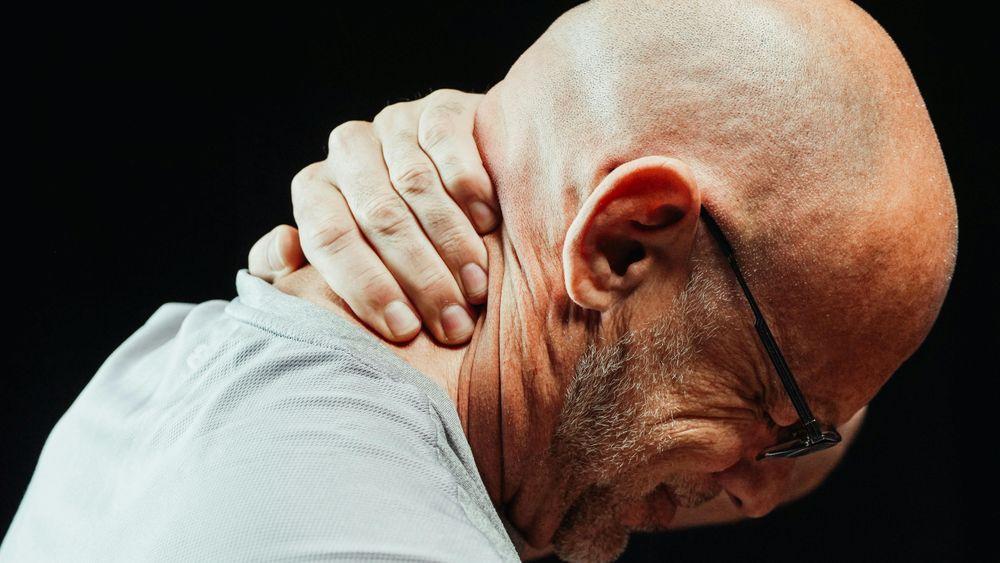


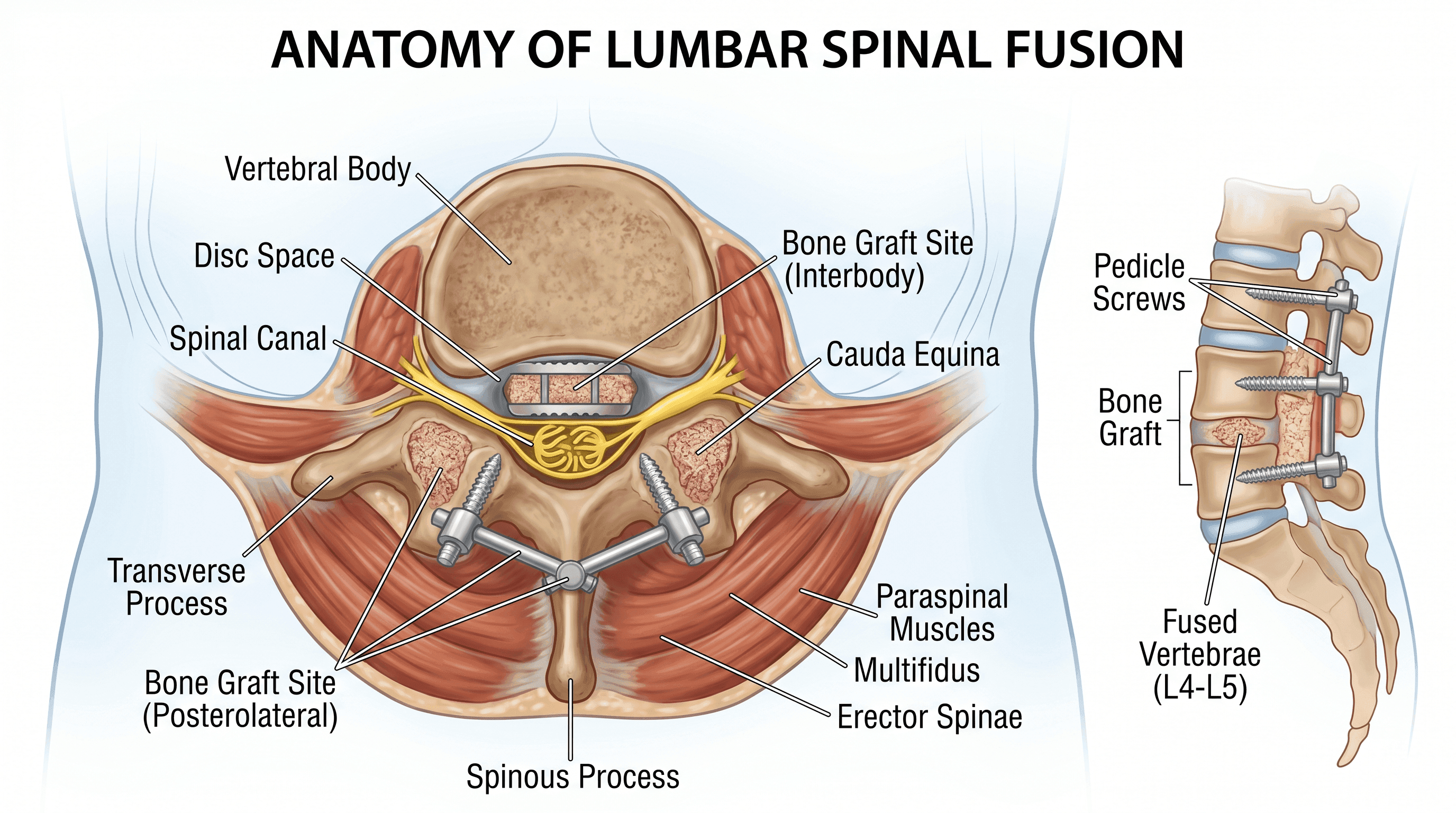
Spinal fusion is not a minor procedure. Surgeons cut through layers of back muscle, remove disc material, place hardware into your vertebrae, and pack bone graft material into the gaps. If the pain afterward feels intense, that is not a sign something went wrong. That is the body responding exactly as expected to a major structural repair.
The honest answer to the question most patients search for: yes, spinal fusion is one of the more painful orthopedic surgeries, but the severe acute phase is time-limited. Most people experience the worst pain in the first week, and the majority of that acute pain resolves within two to four weeks. What follows is a realistic, week-by-week guide to what that pain actually feels like, what is driving it, and how to get through it.
At a Glance
| Topic | Key Facts |
|---|---|
| Peak pain timing | Days 3 to 7, as IV medications transition to oral pills |
| Typical peak pain rating | 6 to 8 out of 10 on the NRS scale |
| Acute pain resolution | Most patients: weeks 2 to 4 |
| Long-term recovery window | 3 to 6 months for dull ache; up to 12 months for full fusion |
| Main pain sources | Muscle disruption, nerve irritation, incision, and hardware |
| Bone graft site (if used) | Hip/pelvis pain is common and resolves independently |
| Red flag symptoms | Fever above 101°F, new leg weakness, loss of bladder control |
| Failed back surgery rate | Approximately 10 to 40% report persistent pain at 12 months |
The Honest Truth: It Is a Major Surgery, but the Pain Is Temporary
Spinal fusion ranks among the more painful orthopedic procedures performed today, and patients deserve to know that before the first post-op day. Using the Numeric Rating Scale (NRS) where 0 is no pain and 10 is the worst imaginable, most lumbar fusion patients report scores between 6 and 8 during the first 72 hours after surgery.
For context, Mayo Clinic describes spinal fusion as a procedure that permanently connects two or more vertebrae, eliminating motion between them. The surgical process requires retracting or cutting through the large muscles of the back, which is a significant source of post-operative pain beyond the spine itself.
That severity is real, but it is also bounded. The acute pain phase does not last months. It peaks in the first week, then drops substantially over the following two to four weeks as tissue begins to heal and inflammation subsides. Understanding that this pain has a natural arc makes it psychologically easier to endure.
The Hospital Phase (Days 1 to 3): Staying Ahead of the Pain
The first 24 to 48 hours after spinal fusion are aggressively managed in hospital. Pain does not go unaddressed at this stage, and that is intentional.
How Pain Is Controlled Immediately Post-Op
Right after surgery, most patients receive intravenous (IV) opioids administered through a patient-controlled analgesia (PCA) pump, which allows them to self-administer small, safe doses of pain medication within programmed limits. This system gives patients a sense of control and prevents pain from building to unmanageable levels before the next nurse-administered dose.
Many spine centers now follow an Enhanced Recovery After Surgery (ERAS) protocol, which combines multiple medications rather than relying on opioids alone. A 2024 study published in PMC found that multimodal ERAS protocols for spinal surgery reduced opioid consumption by approximately 38% while maintaining comparable pain control. ERAS typically layers IV acetaminophen, NSAIDs, muscle relaxants, and local nerve blocks to address different pain pathways simultaneously.
Nerve blocks, specifically regional anesthesia injected near the surgical site, can reduce the acute inflammatory pain signal for 12 to 24 hours and give patients a gentler first day of recovery.
What Patients Typically Feel in the Hospital
Pain in the first two days often feels like a deep, burning heaviness across the lower back. Some patients describe it as a sensation of the back being "locked in a vice." Muscle spasms can start within hours of waking from anesthesia as the paraspinal muscles react to surgical trauma. The incision itself is often a secondary concern at this stage; it is the deeper muscle pain that dominates.
On the NRS scale, hospital-phase pain with good PCA management typically ranges from 4 to 6 out of 10 at rest and 7 to 9 with movement.
The Peak (Days 3 to 7): Why the Transition Home Is the Hardest Part
Days 3 to 7 represent the most difficult stretch of spinal fusion recovery for most patients, and they often arrive just as the person is discharged to home.
The Day 3 to 4 Convergence
Two things happen simultaneously around this window. First, the IV PCA pump is discontinued and patients switch to oral medications, which have a slower onset, lower peak concentration, and shorter duration compared to IV delivery. Second, post-surgical inflammation typically reaches its peak around 48 to 72 hours after the procedure, not at the moment of surgery. The combination of maximum inflammation arriving at the same time as reduced medication potency is responsible for the spike many patients experience between days three and five.
Pain ratings during this period commonly reach 7 to 8 out of 10, even with oral opioids taken on schedule. Patients who do not anticipate this transition report feeling that something has "gone wrong" when in fact they are experiencing a predictable physiological pattern.
Oral Medication Management at Home
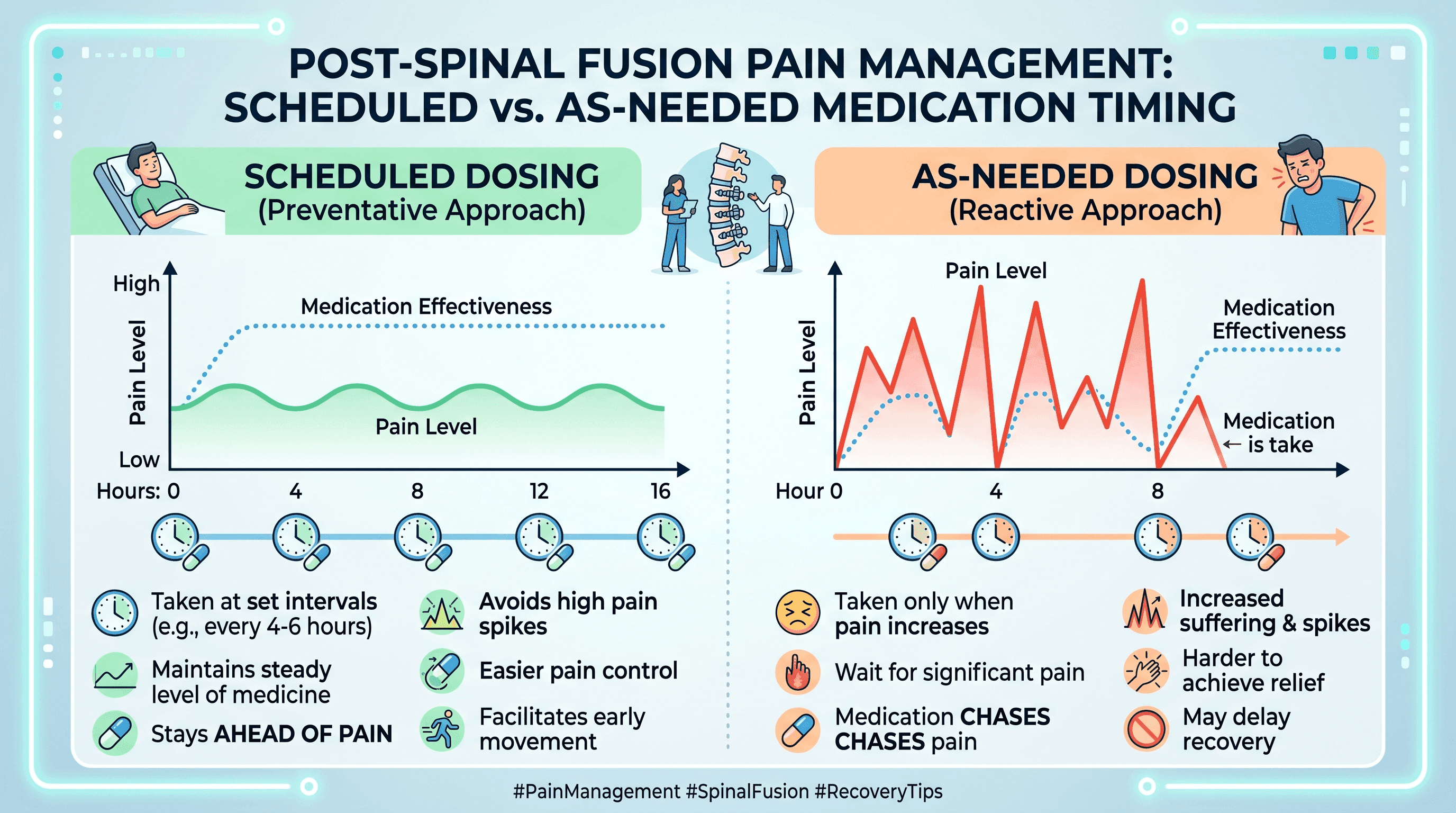
At discharge, most patients leave with a prescription for an oral opioid such as oxycodone or hydrocodone, combined with acetaminophen and a muscle relaxant like cyclobenzaprine or methocarbamol. The most important principle for this phase: take medications on a scheduled basis, not on an "as needed" basis. Allowing pain to spike before treating it requires larger doses to bring it back under control and creates a cycle of breakthrough pain.
Identifying Your Pain: Incision Pain vs. Muscle Spasms
Not all post-fusion pain is the same, and distinguishing between pain sources helps patients understand what is happening and how to address each type.
Incisional Pain
The surgical incision produces a predictable pattern: sharp or burning pain directly at the wound site, typically worsening with any skin stretching or movement. Incisional pain tends to be localized, meaning patients can point to it precisely. It responds well to ice therapy and oral analgesics and usually improves steadily after the first week as the wound closes and nerve endings in the skin begin to reorganize.
Muscle Spasms
Deep paraspinal muscle spasms are often reported as more distressing than the incision itself. According to research published in PMC on post-surgical muscle pain, the large erector spinae and multifidus muscles that run along the spine are directly disrupted during open fusion surgery, and this disruption triggers involuntary spasm as the muscles attempt to protect the spine. These spasms feel like a sudden, cramping tightening deep in the back, often radiating into the buttocks or upper thighs. They can occur at rest and frequently wake patients from sleep.
Muscle relaxants address this type of pain more effectively than opioids alone. Heat applied after the first 48 to 72 hours (once acute inflammation has peaked) can also loosen the spasm cycle, whereas ice is more effective in the first two days.
The Log Roll Technique
Getting in and out of bed is one of the highest-pain activities during early recovery because it forces the trunk muscles to contract. The log roll technique, where the patient rolls the entire body as a single unit before pushing up with the arms, eliminates twisting at the surgical site and significantly reduces the muscle activation required to move from lying to sitting. Physical therapists teach this before discharge, but it deserves emphasis: consistent use of this technique can reduce post-movement pain spikes by a meaningful margin.
The Bone Graft Curveball: Hip and Pelvis Pain
Patients who receive an autograft, meaning the surgeon harvested their own bone tissue from the iliac crest (hip) to pack into the fusion site, should expect a second independent source of pain that catches many off guard.
The iliac crest harvest site sits at the back of the hip and can produce a sharp, localized ache that is distinct from the spine pain. Some patients report that the hip pain bothers them more than their back in the first two weeks. This is not unusual. The harvest site heals separately from the fusion and typically resolves over four to eight weeks, though some patients experience mild tenderness at the hip for several months.
Not all surgeries require autograft. Surgeons may use donor bone (allograft), synthetic bone substitutes, or bone morphogenetic protein (BMP) to support fusion, each of which avoids the harvest site pain entirely. Patients should clarify with their surgeon before the procedure which approach will be used.
What About the Old Nerve Pain? Sciatica and Leg Symptoms
Many patients undergoing lumbar fusion are doing so because of nerve compression that caused sciatica: radiating pain, numbness, or weakness running down one or both legs. After surgery, these nerve symptoms do not always disappear immediately, and in some cases they temporarily worsen before improving.
Why Leg Symptoms Continue or Change Post-Surgery
A nerve that has been compressed for months or years does not recover the moment the pressure is removed. The nerve itself has sustained damage from prolonged compression, and healing follows a slow biological timeline. Research on nerve recovery indicates that post-surgical nerve healing can take up to 12 months, depending on how long and how severely the nerve was compressed before surgery.
In the first weeks after surgery, patients commonly experience "ghost" sensations in the legs: tingling, pins and needles, burning, or brief electric jolts. These represent nerve activity as the previously compressed tissue gradually re-establishes signal conduction. This is a sign of healing, not damage, in most cases.
Gabapentin (Neurontin) and pregabalin (Lyrica) are medications commonly prescribed after spinal surgery to manage neuropathic pain. Both work by reducing abnormal electrical activity in sensitized nerves and can help take the edge off the burning, shooting quality of nerve pain while the nerve heals on its own schedule.
What Warrants a Call to the Surgeon
New or worsening leg weakness after surgery is different from persistent numbness or tingling and should prompt an immediate call to the surgical team. Weakness specifically, meaning the inability to lift the foot, extend the knee, or control bowel or bladder function, is a red flag that requires same-day evaluation.
The At-Home Arsenal: Beyond the Prescription Bottle
Medication is one tool. The patients who recover most comfortably tend to combine prescription management with a consistent set of physical strategies.
Ice Therapy
Cold application is one of the most underused pain management tools after spinal surgery. Applying a cold pack wrapped in a thin cloth to the surgical site for 15 to 20 minutes at a time, several times per day, reduces local inflammation and numbs the area enough to lower pain scores by one to two points on the NRS scale. Ice is most effective in the first 48 to 72 hours. After that window, alternating cold and gentle heat (applied to the surrounding musculature, not directly over the incision) can help loosen spasm while continuing to manage swelling.
Sleep Positioning
Sleep quality directly affects pain perception and recovery speed, and poor positioning is one of the most common sources of night-time pain spikes. For lumbar fusion patients, sleeping on the back with a pillow or rolled blanket placed under the knees reduces the lumbar curve and takes tension off the surgical site. For side sleepers, placing a pillow between the knees maintains hip alignment and prevents the spine from rotating during sleep. Stomach sleeping is generally discouraged during the first six weeks.
Walking as Early Medicine
Short, frequent walks are prescribed by most spine surgeons starting the day after surgery, and they serve a direct pain management function beyond their benefit for circulation and muscle maintenance. Walking stimulates the release of endorphins, reduces the risk of post-surgical complications such as deep vein thrombosis, and prevents the stiffness that accumulates from prolonged lying in a single position. The distance is less important than consistency: five to ten minutes every two to three hours is more beneficial than one long walk per day.
Weaning Off Pain Medications
Transitioning off opioids after spinal fusion follows a gradual tapering approach rather than abrupt discontinuation. Most surgeons begin reducing opioid doses at the two to four week mark as patients transition to over-the-counter analgesics like acetaminophen and ibuprofen for the background pain. Abrupt stopping of opioids after more than one to two weeks of daily use can produce withdrawal symptoms including agitation, sweating, and muscle aches, which are distinct from surgical pain but can be confused with it. A doctor can advise on individual tapering schedules based on the duration and dose used.
The Timeline to Relief: When Does the Pain Become Manageable?
Setting realistic expectations for the pain arc helps patients endure the hard phases without interpreting them as failure.
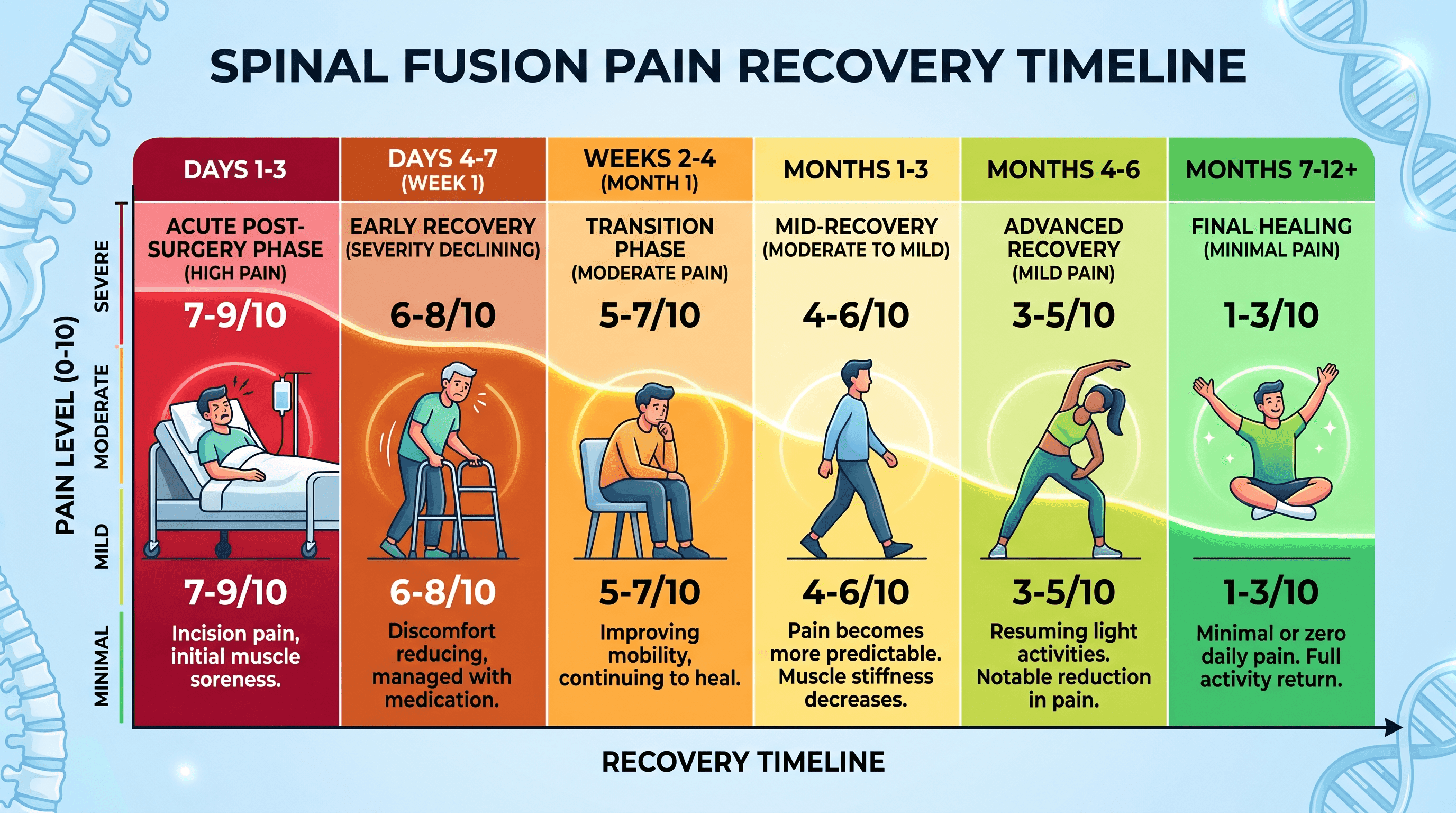
Weeks 1 to 2 (Pain Rating: 5 to 8/10)
This is the most intense period. Pain is present at rest, significantly worse with movement, and frequently disrupts sleep. Opioid medications are typically still in daily use. Most patients need assistance with basic activities including bathing, dressing, and preparing meals.
Weeks 2 to 6 (Pain Rating: 3 to 5/10)
A noticeable shift usually occurs between days 10 and 14 for most patients. Pain transitions from sharp and constant to duller and more intermittent. Movement-related spikes remain but become shorter in duration. Many patients reduce opioid use during this window and transition to scheduled acetaminophen. Walking distances increase. Sleep improves, though still fragmented.
Months 2 to 3 (Pain Rating: 1 to 3/10)
The majority of patients describe the pain as a "background stiffness" rather than active hurt by this point. The fusion is solidifying, hardware has settled, and the paraspinal muscles have largely healed. Physical therapy begun during this window focuses on re-strengthening the core and back muscles, which reduces the mechanical load on the healing fusion and speeds the transition to near-normal function.
Months 3 to 6: Full Activity Return
Moderate activities including driving, light household tasks, and desk work are typically resumed by month two to three. Heavier activities, including lifting over 10 to 15 pounds, are usually cleared between months three and six depending on imaging confirmation of fusion progress. Most patients report that by six months the pain has become a manageable, occasional ache rather than a daily limiting presence.
Months 6 to 12: Residual Aches and Final Healing
Full bony fusion typically occurs between six and twelve months after surgery. Some patients notice increased stiffness or achiness with weather changes, prolonged sitting, or after physical exertion. These residual symptoms are normal and reflect both the hardware present in the spine and the ongoing bone remodeling process. They typically diminish further through the second year.
The Part No One Mentions: Pain's Psychological Toll
The physical dimension of spinal fusion recovery is well-documented. The psychological dimension is less discussed, and yet it significantly affects how pain is experienced and how quickly patients recover.
Sleep deprivation from night-time pain compounds daytime pain sensitivity through a mechanism that is now well-established in pain research. Studies published in peer-reviewed literature have found that even one night of disrupted sleep measurably increases pain thresholds and amplifies the subjective intensity of existing pain the following day. Patients in the two to four week phase, who are sleeping in fragments, are often experiencing pain that feels more intense than their tissue state alone would produce.
Anxiety about the outcome of surgery can also amplify pain perception. Patients who enter surgery with high levels of pain catastrophizing (a tendency to expect the worst and ruminate on pain sensations) consistently report higher post-operative pain scores and longer recovery timelines in clinical studies. This is not a character weakness; it is a documented neurological pattern where the brain's pain-processing circuits are primed to amplify incoming signals.
Acknowledging this connection matters practically: patients who work with a therapist or pain psychologist before or after major spinal surgery tend to have better functional outcomes. If pre-operative anxiety is severe, raising it with the surgical team beforehand allows for additional support to be arranged.
When Pain Is a Warning Sign: Red Flags That Need Immediate Attention
Most post-fusion pain follows a predictable pattern of gradual improvement. These symptoms fall outside that pattern and require prompt medical evaluation.
A fever above 101°F (38.3°C) in the first six weeks after surgery raises concern for surgical site infection or deep wound infection and warrants a same-day call to the surgeon. New onset of redness, warmth, swelling, or discharge at the incision site carries the same urgency.
New or worsening leg weakness, not just numbness or tingling, but actual difficulty moving the leg or foot, suggests possible nerve compression from a hematoma, hardware malposition, or adjacent segment issue and requires emergency evaluation.
Loss of bowel or bladder control is a surgical emergency. This symptom combination, known as cauda equina syndrome, occurs when nerve roots controlling lower body function are compressed, and it requires immediate emergency room evaluation. Minutes matter in this scenario.
Sudden severe back pain after a period of steady improvement, particularly if associated with a pop or giving-way sensation, may indicate hardware failure or adjacent vertebral fracture and should be evaluated the same day.
If any of these symptoms appear, connecting with a spine specialist through a verified provider directory allows patients to locate the appropriate specialist quickly rather than navigating emergency departments for symptoms that may warrant urgent outpatient evaluation.
When Pain Does Not Improve: Failed Back Surgery Syndrome
A meaningful proportion of spinal fusion patients do not achieve satisfactory pain relief after surgery. Failed Back Surgery Syndrome (FBSS) is the clinical term for persistent or recurrent pain following technically successful spinal surgery.
Estimates of FBSS incidence vary across studies. A meta-analysis published in PMC examining outcomes across 44 randomized trials found that approximately 14.97% of patients reported persistent significant pain at 12 months post-operatively, though estimates across the broader literature range from 10% to 40% depending on how "persistent pain" is defined and which patient populations are studied.
FBSS does not mean the surgery was performed incorrectly. Common contributing factors include pre-existing psychological factors such as depression or anxiety, ongoing nicotine use (which impairs bone healing and is one of the strongest predictors of poor fusion outcomes), adjacent segment disease (where the vertebrae above or below the fusion develop new degenerative changes due to altered load distribution), and incomplete decompression of the original nerve lesion.
When FBSS is confirmed, treatment options extend beyond revision surgery. Spinal cord stimulation (SCS) is an evidence-supported option for patients with persistent neuropathic leg pain after lumbar surgery, and it is approved by the FDA for this indication. Comprehensive pain rehabilitation programs that combine physical therapy, psychological support, and medication management produce measurable improvements in function and quality of life for many patients who do not respond to single-modality treatments.
Frequently Asked Questions
What is the typical recovery time after a back fusion?
Most patients return to light daily activities within two to four weeks and resume moderate activity between three and six months. Full bony fusion, confirmed by imaging, typically occurs within six to twelve months. The timeline varies based on the number of levels fused, the surgical approach used, and individual factors including age, bone health, and whether the patient smokes.
What causes leg pain after spinal fusion?
Leg pain after spinal fusion most commonly results from ongoing nerve healing. Nerves that were compressed before surgery take weeks to months to recover, and during that period patients may experience tingling, burning, or radiating sensations in the legs. In a smaller percentage of cases, persistent leg pain may indicate incomplete nerve decompression, scar tissue formation around the nerve root (epidural fibrosis), or adjacent segment degeneration. A doctor can evaluate which mechanism is responsible through physical examination and imaging.
Can you live a normal life after spinal fusion?
Most patients return to normal daily activities within three to six months and resume most physical activities by six to twelve months. Long-term studies show that the majority of lumbar fusion patients report significant improvement in pain and function compared to their pre-surgical baseline. High-impact activities such as running or contact sports may be permanently restricted depending on the number of levels fused and the recommendation of the treating surgeon, but walking, swimming, cycling, and most daily life activities are achievable.
Is it normal for pain to feel worse at around six weeks?
Yes. A temporary increase in pain around weeks five to eight is reported by a significant proportion of patients and is often attributed to a combination of factors: physical therapy exercises becoming more demanding, reduced use of opioid pain medications, and increased daily activity levels exposing the healing spine to more mechanical stress. This phase is sometimes called the "six-week wall." It typically resolves within one to two weeks as the body adapts to increased functional demands.
When is the worst day after spinal fusion surgery?
For most patients, the worst period occurs between days three and five after surgery. This coincides with peak post-surgical inflammation and the transition from intravenous hospital pain management to oral medications at home. Patients who are prepared for this window and have their oral medications ready in advance, along with ice packs, supportive pillows, and a home helper if possible, report getting through it more successfully than those who are caught off guard.
How can I strengthen my back muscles after lumbar fusion?
Strengthening the muscles supporting the fusion begins in physical therapy, typically starting four to six weeks after surgery with gentle core activation exercises. Progress follows a staged approach: deep stabilizing muscles such as the transversus abdominis are targeted first, followed by the lumbar extensors and hip stabilizers over the following months. Physical therapists design these programs to load the healing fusion gradually, and patients should not attempt gym-based back strengthening independently before receiving clearance from their surgeon. Rushing this phase increases the risk of hardware stress before fusion is complete.
References
- PMC: Multimodal ERAS Protocol in Spinal Surgery — Cited for ERAS protocol opioid reduction data (38%) and persistent post-operative pain meta-analysis findings (14.97% across 44 trials).
- Mayo Clinic: Spinal Fusion Overview — Cited for procedural definition of spinal fusion and vertebral anatomy.
- PMC: Post-Surgical Muscle Pain and Paraspinal Disruption — Cited for mechanisms of paraspinal muscle disruption and spasm in open lumbar fusion surgery.
- PubMed: Nerve Recovery Timeline After Spinal Decompression — Cited for the 12-month nerve healing window following decompression surgery.