


Fatigue after knee replacement surgery is one of the most common complaints patients have, and one of the least talked about. Most people go into surgery focused on pain relief and mobility. What catches them off guard is how profoundly drained they feel for days, weeks, and sometimes months afterward. If that sounds familiar, this guide is for you.
At a Glance
| Topic | Key Facts |
|---|---|
| Primary keyword | When should tiredness go away after knee replacement surgery |
| Surgery type covered | Total knee replacement (TKR) / total knee arthroplasty (TKA) |
| Typical fatigue duration | 6 weeks to 3 months for most patients; up to 12 months for full recovery |
| Most common cause | Surgical stress response, anesthesia effects, and postoperative anemia |
| Red flag symptoms | Fever above 101.5°F, leg swelling with warmth, chest pain, or worsening fatigue week-over-week |
| Clinically reviewed | Orthopedic review recommended before publication |
The Short Answer: When Will Your Energy Levels Return to Normal?
Most patients experience meaningful improvement in tiredness after knee replacement surgery somewhere between weeks 6 and 12. The acute, can't-get-off-the-couch exhaustion typically lifts by the end of week two. But that is not the finish line.
Full stamina recovery, the kind where post-activity fatigue no longer shadows your day, takes the majority of patients three to six months. For those who underwent bilateral knee replacement, or who had pre-existing conditions like diabetes or anemia going into surgery, the timeline can extend to twelve months. This is not a sign that something went wrong. It is the expected cost of a surgery that cuts through bone, implants metal hardware, and demands enormous physiological resources to heal.
Understanding the week-by-week picture removes a lot of the anxiety. Tiredness after knee replacement follows a predictable arc once you know what to look for.
Weeks 1 to 2: The Immediate Aftermath of Surgery
The first two weeks represent the most physically demanding phase of recovery, even though the patient is doing almost nothing.
General anesthesia disrupts normal sleep architecture for seven or more days after surgery. Research published in Sleep Medicine Reviews documents how anesthesia suppresses REM sleep and slow-wave sleep, leaving patients in a state of shallow, non-restorative rest even when they sleep for long stretches. This is a significant driver of daytime exhaustion in the immediate postoperative period.
At the same time, the body is mounting a full-scale healing response. Surgical trauma activates the hypothalamic-pituitary-adrenal axis, releasing cortisol and pro-inflammatory cytokines. These signals redirect metabolic energy away from voluntary function and toward tissue repair. The result is an overwhelming sense of physical depletion that sleep alone cannot fully resolve.
Pain medications compound this. Opioid analgesics, which are commonly prescribed for the first one to two weeks after TKR, are known to cause drowsiness, cognitive slowing, and dysregulated sleep cycles. Nerve medications such as gabapentin carry similar effects.
What is normal during this window: Napping two to three hours per day is common. Many patients find they cannot stay upright or alert for more than one to two hours at a stretch. That is the surgical stress response at work, not weakness.
Weeks 3 to 6: The Physical Therapy Drain and Sleep Disruptions
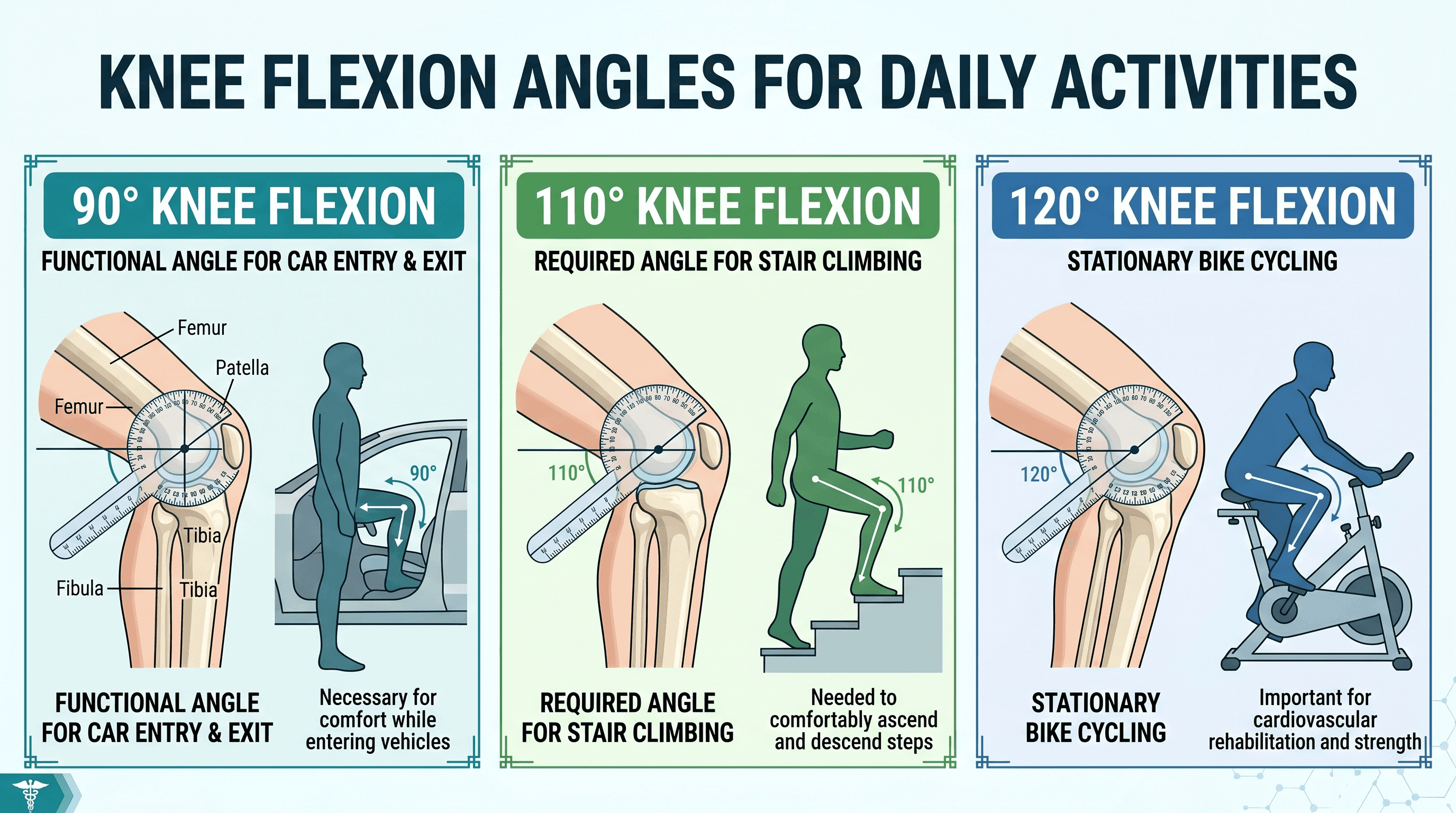
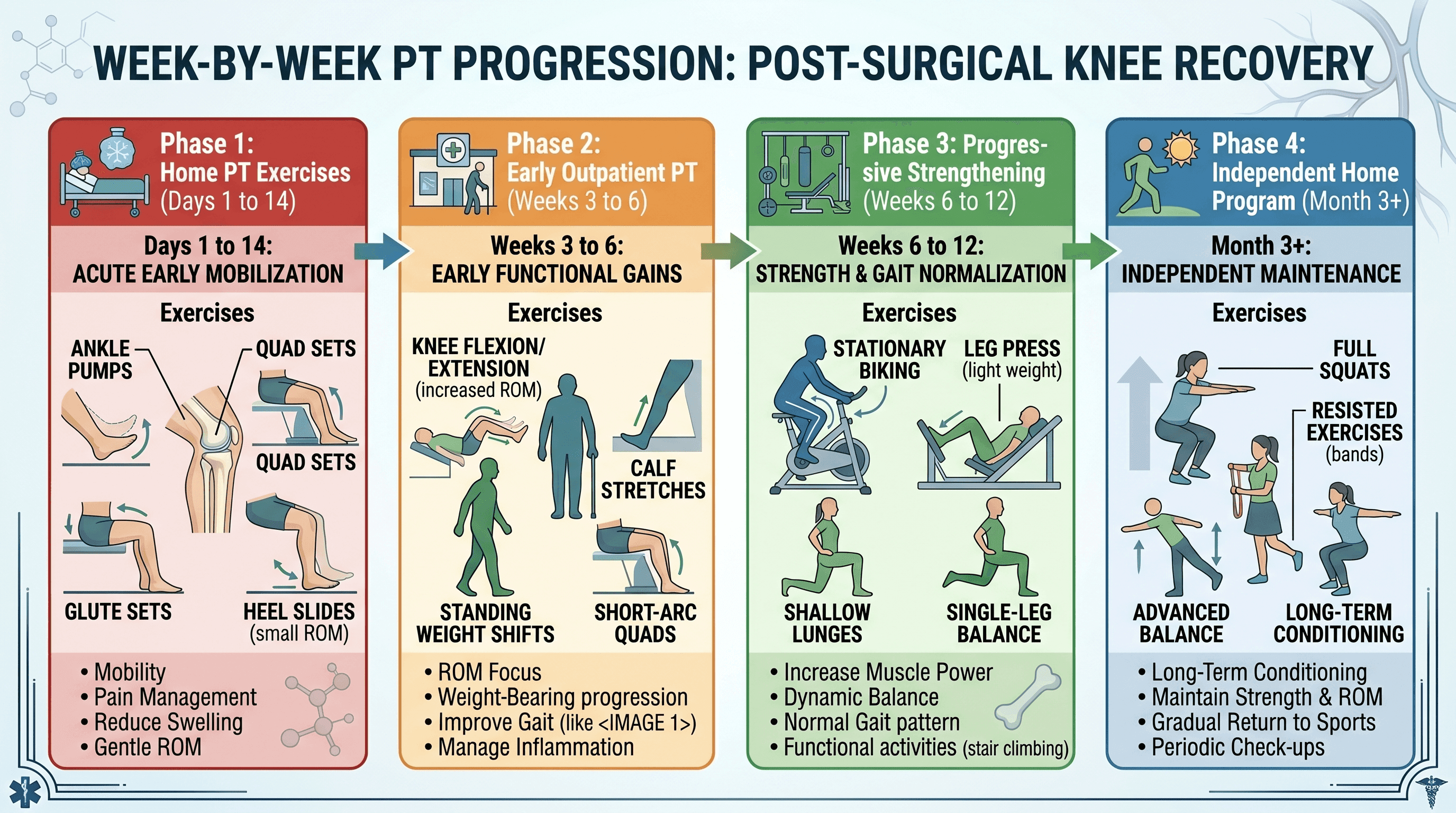
By week three, most patients have started formal physical therapy. This is where an unexpected pattern emerges: many patients feel more tired during PT than they did in the first days after surgery.
This counterintuitive experience has a straightforward explanation. Physical therapy between weeks three and six often represents the highest physical output the patient has managed since surgery. Weakened quadriceps, residual joint inflammation, and altered gait mechanics mean the body expends significantly more energy on basic movement than it did before surgery. Walking with a walker or crutches, for instance, increases caloric expenditure substantially compared to normal gait.
The result is a "crash after PT" pattern that many patients interpret as regression. It is not. It is the body accurately signaling that it has spent its energy budget for the day.
Sleep disruptions remain significant during this window. Night pain, positional discomfort, and the residual effects of tapering pain medications all fragment sleep quality. A study in Arthritis Care and Research identified sleep disturbance as a persistent and underappreciated contributor to fatigue following total knee arthroplasty, noting that poor sleep and daytime fatigue are strongly correlated in TKR recovery cohorts.
Day-to-day energy during this phase is highly variable. A good Tuesday does not predict Wednesday. Patients returning to desk work even at this stage frequently report exhaustion by early afternoon. Most surgeons advise a minimum of 10 to 12 weeks before returning to any form of employment.
Months 2 to 3: Turning the Corner and Rebuilding Stamina
Around week eight, most patients notice something shift. The persistent background fatigue begins to thin. Sleep quality improves as inflammation decreases and pain medications are fully or mostly discontinued. Appetite, which often suppresses during the acute phase, tends to return.
This is the phase where stamina rebuilding becomes possible. Patients who have maintained consistent but paced physical therapy typically begin walking without an assistive device around this milestone, depending on their individual recovery trajectory and their surgeon's assessment.
The fatigue at this stage has a different character. It is less pervasive and more proportional to activity. An hour of walking may require a rest afterward. An afternoon of light activity may mean an early bedtime. But the baseline is higher than it was in weeks one through six.
Research from ResearchGate tracking fatigue at five years following total knee replacement confirms that clinically significant fatigue trends steadily downward from the pre-surgery baseline through the first year of recovery. The sharpest improvement occurs in the first three months.
"Fatigue is a prominent symptom in individuals with knee osteoarthritis and persists following total knee replacement, particularly in the early months of recovery." Arthritis Care and Research
Hidden Medical Causes of Prolonged Post-Op Tiredness
Not all fatigue after total knee arthroplasty is explained by surgical stress alone. Two hidden contributors are responsible for a large share of the exhaustion patients experience, particularly those whose tiredness seems excessive for how far along they are in recovery.
The Anemia Factor: Why Blood Loss Hits Harder Than You Think
Total knee replacement involves significant intraoperative blood loss. Hemoglobin levels drop by an average of 3 g/dL following TKR surgery, with some patients experiencing steeper declines depending on surgical complexity and baseline health. Research published in PMC (National Institutes of Health) documents that postoperative anemia is one of the most commonly reported complications following knee arthroplasty.
The mechanism connecting anemia to fatigue is direct. Red blood cells carry oxygen to muscles, organs, and the brain. When red blood cell counts fall, tissues receive less oxygen. The result is profound physical fatigue, cognitive slowing, and reduced exercise tolerance. Patients with postoperative anemia may feel exhausted at levels of activity that should not be taxing.
This is a conversation worth having with the surgical team. Iron supplementation, dietary modifications, and in some cases more formal anemia management may be appropriate. A doctor can advise on whether postoperative blood work is warranted if fatigue feels disproportionate or is not improving along expected timelines.
Medication Side Effects That Outlast the Pain
Opioid pain medications, while appropriate in the immediate postoperative period, carry lingering effects on energy regulation and sleep architecture. As patients taper off these medications, a withdrawal-adjacent fatigue can briefly worsen before improving. Nerve medications like gabapentin and pregabalin similarly dampen alertness and can mask the natural recovery of energy that patients are waiting for.
A study in PMC examining postoperative outcomes in arthroplasty patients found that medication-related fatigue and sleep disruption were significantly associated with longer recovery times and lower patient-reported energy scores at six weeks.
Patients who have fully weaned off pain medications but still feel tired are past this particular cause. Those still on narcotic or nerve medications should understand that this is a plausible ongoing contributor and discuss a taper timeline with their prescribing physician.
Actionable Tips to Combat Fatigue During Recovery
Managing postoperative fatigue is less about doing more and more about doing less strategically.
Pace in structured cycles. A framework many occupational therapists recommend is "one hour up, two hours down," meaning for every hour of activity, plan two hours of lower-demand rest. This prevents the boom-bust cycle where patients overdo a good day and spend the next two days recovering from it. Energy after knee replacement surgery is finite in the early months. Budget it deliberately.
Prioritize protein and iron-rich foods. The body needs amino acids to rebuild muscle and connective tissue. Lean meats, legumes, eggs, and dairy all support tissue repair. For patients dealing with postoperative anemia, iron-rich foods including red meat, lentils, spinach, and fortified cereals support red blood cell recovery. Vitamin C taken alongside iron-rich foods improves absorption.
Stay hydrated. Dehydration accelerates fatigue and slows healing. Hospital stays and early recovery often disrupt normal fluid intake habits. Aim for consistent fluid intake throughout the day, and note that some pain medications increase dehydration risk.
Optimize sleep hygiene. Elevating the operative leg slightly during sleep can reduce nighttime pain and positional discomfort. Applying ice before bed, as directed by the surgical team, may reduce joint inflammation enough to extend sleep duration. Keeping a consistent sleep and wake time, even during recovery, helps recalibrate disrupted circadian rhythms faster.
Time physical therapy strategically. Schedule PT sessions for the time of day when energy is historically highest, often mid-morning. Allow a full rest block afterward rather than scheduling other activities. Resist the urge to push through fatigue during PT sessions; a physical therapist can adjust intensity if the current load is exceeding what recovery allows.
If fatigue is persistently limiting rehabilitation progress, speaking with a board-certified orthopedic specialist can help identify whether a contributing cause, such as anemia, medication effects, or infection, needs to be addressed before recovery can proceed normally.
When to Call Your Doctor: Red Flags That It Is More Than Normal Fatigue
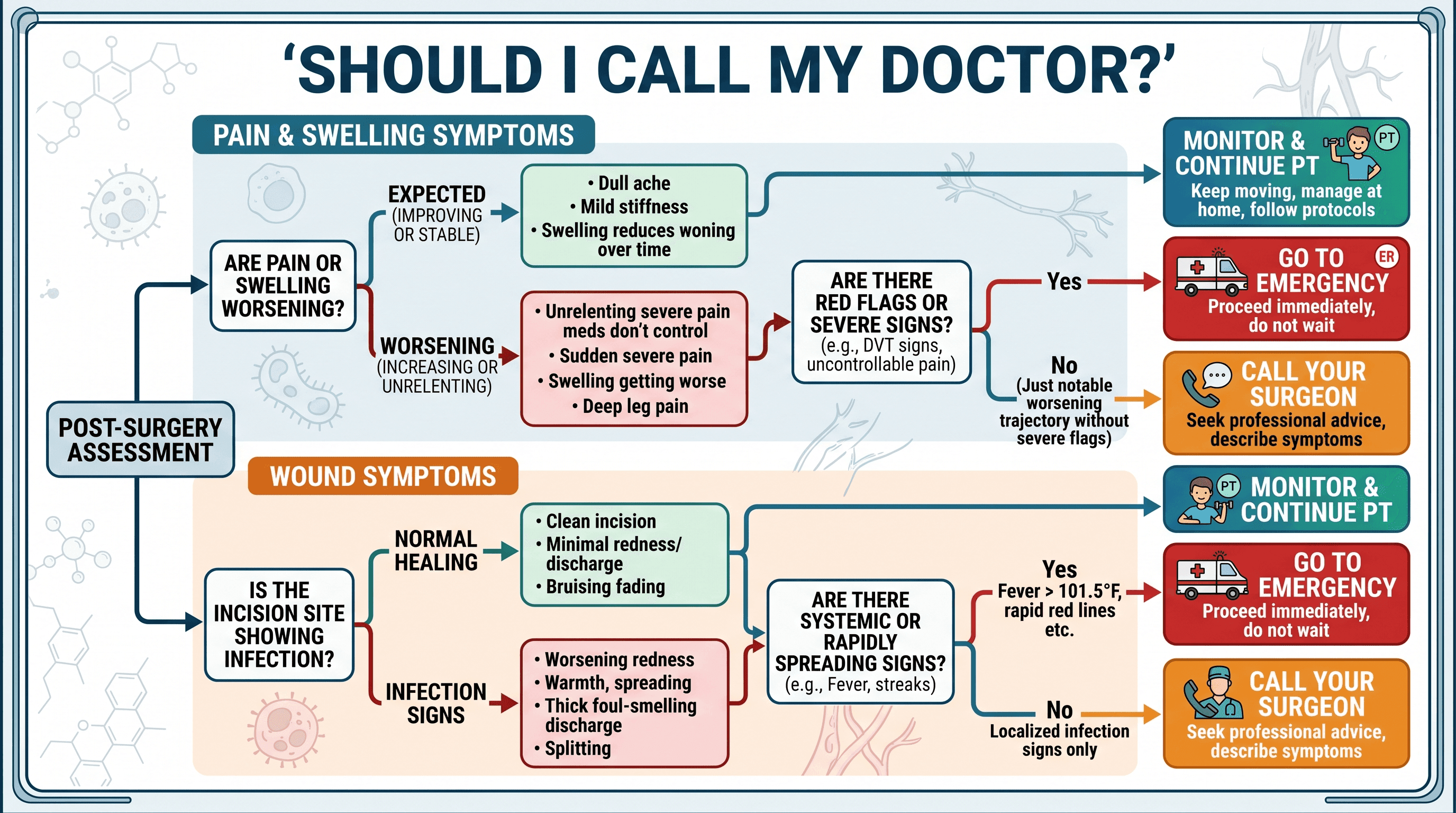
Normal post-surgical fatigue follows a predictable pattern. It is heavy early, peaks during PT, and gradually but steadily improves week over week. When fatigue departs from that pattern, it warrants attention.
Call the surgical team immediately if fatigue is accompanied by any of the following:
Fever above 101.5°F (38.6°C) suggests possible infection. Wound infections after TKR, though managed with antibiotics in most cases, require prompt evaluation. Delayed treatment increases the risk of serious complications.
Leg swelling, warmth, or redness, particularly if concentrated in the calf or thigh of the operative leg, may indicate deep vein thrombosis (DVT). DVT is a known complication of major joint surgery. The Mayo Clinic notes that blood clots are among the most serious risks following orthopedic procedures.
Chest pain, shortness of breath, or a racing heart requires emergency evaluation. These symptoms can indicate pulmonary embolism (PE), which occurs when a blood clot travels to the lungs. PE is a medical emergency.
Fatigue that is worsening week over week rather than gradually improving is not normal tiredness. If energy levels are lower at week five than they were at week two, something other than expected recovery is occurring.
Wound drainage, unusual odor from the incision, or visible wound separation should be reported to the surgical team. These signs can indicate infection or wound healing complications that will worsen without intervention.
Increased or worsening pain, rather than gradually decreasing pain, is also a reason to contact the surgeon. Pain that trends upward after the first two weeks is outside the normal recovery arc.
Emotional Exhaustion After Knee Replacement: The Overlooked Side
Physical fatigue gets most of the attention after TKR. Emotional exhaustion gets almost none, even though it is common enough to have clinical documentation.
Post-surgical depression and low mood are recognized complications of major orthopedic procedures. The combination of pain, immobility, disrupted sleep, and a slow recovery that does not match pre-surgical expectations creates conditions for frustration, grief, and mood changes. These emotional states are not weakness. They are physiological and psychological responses to a genuinely difficult experience.
Research published in PMC examining arthroplasty recovery found that mood disturbance and psychological fatigue are underreported by patients and underrecognized by clinical teams in the months following surgery. Patients who feel emotionally flat, unusually irritable, or persistently sad beyond two weeks should share this with their surgeon or primary care physician. These symptoms are treatable and addressing them often accelerates physical recovery as well.
Keeping in contact with family, friends, or a support group during recovery provides a meaningful buffer against emotional depletion. Brief outdoor time, even just sitting outside, has documented mood and energy benefits. And normalizing the timeline, accepting that full recovery takes months, reduces the self-imposed pressure that amplifies emotional fatigue.
Frequently Asked Questions
Why am I so tired two weeks after surgery?
At two weeks post-surgery, the body is still managing peak inflammation, healing bone and soft tissue, and processing residual anesthesia effects on sleep. Fatigue this pronounced at two weeks is normal and expected. Most patients find the acute exhaustion begins to ease by the end of week two to three as pain medications are reduced and the initial inflammatory response settles.
How long is bed rest after total knee replacement?
True bed rest, meaning remaining in bed for extended periods, is not typically the goal after TKR. Most surgical teams encourage short periods of gentle movement beginning within 24 hours of surgery to reduce the risk of blood clots and maintain circulation. The goal in the first two weeks is structured rest alternating with brief walking and prescribed exercises, not continuous bed rest.
How far should I be walking four weeks after knee replacement?
Walking distance at four weeks varies by patient, but many individuals can walk 10 to 20 minutes continuously with an assistive device at this stage. Some patients achieve more; others achieve less based on pre-operative fitness, pain levels, and PT progress. A physical therapist will provide a personalized walking target. Comparing progress to others at the same time point is rarely useful and often discouraging.
Should you sleep a lot after knee surgery?
Sleeping more than usual in the first two to three weeks is appropriate and beneficial. The body does significant repair work during sleep, and the anesthesia and medications involved in surgery naturally increase sleep demand. Sleep needs typically normalize by months two to three. If excessive sleeping persists beyond the three-month mark, or if sleep provides no restoration, it is worth discussing with the care team.
Is it normal to be exhausted three months after knee replacement?
Residual fatigue at three months is within the normal range for many patients, particularly those who underwent bilateral TKR, had complications, or entered surgery with pre-existing conditions. Most patients experience significant improvement by this point, but post-activity fatigue is still expected. If fatigue at three months is not improving at all or is worsening, a clinical evaluation is appropriate.
Should I push through the fatigue or rest?
Neither extreme serves recovery well. Ignoring fatigue completely and pushing through activity leads to post-exertion crashes that set recovery back by days. Complete rest, on the other hand, slows muscle rebuilding and increases DVT risk. The answer is structured pacing: activity within tolerable limits, followed by planned rest, adjusted as tolerance improves week over week. A physical therapist can provide personalized pacing guidance.
If you are still sorting through your symptoms and wondering what is normal for your recovery, Momentary Lab's AI healthcare navigator can help you understand your options and find the right care.
References
- PubMed 26866417 — Cited for anesthesia effects on sleep architecture and REM disruption in the postoperative period.
- Arthritis Care and Research, ACR Journals — Cited for sleep disturbance and fatigue correlation in TKR recovery cohorts.
- ResearchGate: Clinically important fatigue at five years following TKR — Cited for longitudinal fatigue trend data post-TKR.
- PMC 8247059 — Cited for postoperative anemia prevalence and hemoglobin decline following knee arthroplasty.
- PMC 8161970 — Cited for medication-related fatigue and sleep disruption outcomes at six weeks post-arthroplasty.
- Mayo Clinic: Deep Vein Thrombosis — Cited for DVT as a complication of major orthopedic procedures.
- PubMed 8511917 — Referenced for foundational research on postoperative fatigue mechanisms.