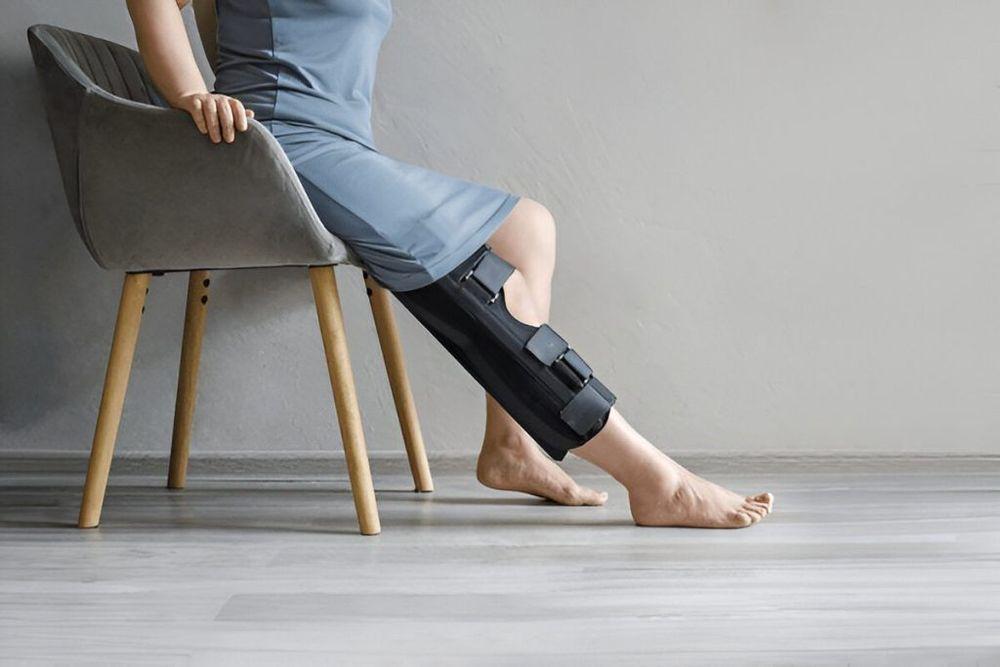


Your surgeon said things went well. Your knee is wrapped, your crutches are by the door, and someone drove you home. Now comes the part no one fully prepares you for: the waiting. The not-knowing. The mornings when the swelling looks worse than yesterday and you wonder whether that is normal.
Here is the short answer upfront. A partial meniscectomy, where damaged tissue is trimmed away, typically allows a return to full activity within 4 to 6 weeks. A meniscus repair, where the torn tissue is sutured back together, takes 3 to 6 months for complete biological healing. A meniscus transplant, the least common procedure, can require up to a year before full return to sport. The rest of this guide explains why those ranges exist, what is actually happening inside your knee at each stage, and what you can do to make sure your recovery lands on the better end of that timeline.
At a Glance
| Topic | Key Facts |
|---|---|
| Partial meniscectomy healing | 4 to 6 weeks for full return to activity |
| Meniscus repair healing | 3 to 6 months for biological tissue fusion |
| Meniscus transplant healing | Up to 12 months before sport return |
| Incision closure | 7 to 10 days post-surgery |
| Weight-bearing after repair | Crutches typically needed for 4 to 6 weeks |
| Biggest recovery variable | Physical therapy adherence |
| Long-term arthritis risk | Higher after meniscectomy than after repair |
Feeling Better vs. Actual Healing — Understanding the Difference
Pain relief is not the same thing as healing. This distinction matters more for meniscus surgery than for almost any other orthopedic procedure.
After a partial meniscectomy, many patients are surprised to find that their knee feels dramatically better within two to three weeks. The surgical pain fades, the swelling reduces, and walking feels manageable. That improvement is real, but it reflects the resolution of surgical inflammation, not the completion of internal tissue repair. The cartilage edges the surgeon smoothed are still integrating. The joint is still adapting. Returning to running or heavy lifting because the pain has gone is one of the most common reasons for complications and extended recovery.
After a meniscus repair, this gap between feeling better and being healed is even wider. The sutured tissue goes through a slow, multi-stage biological process of vascularization, scar tissue formation, and fibrocartilage maturation. That process operates on its own timeline, regardless of how the knee feels on the outside. A patient who feels 80% fine at eight weeks is still only partway through a healing process that will not complete until month five or six.
"The meniscus has a limited blood supply, particularly in its inner portion, which is why healing after repair surgery takes considerably longer than many patients expect." — Cleveland Clinic
Understanding this separation between subjective comfort and objective tissue healing is the foundation of a successful recovery. Every decision about when to return to activity should be guided by your surgeon's criteria, not by how the knee feels on a given morning.
Weeks 1 to 2 — External Healing and Acute Inflammation
The first two weeks after meniscus surgery are governed by the body's immediate response to surgical trauma.
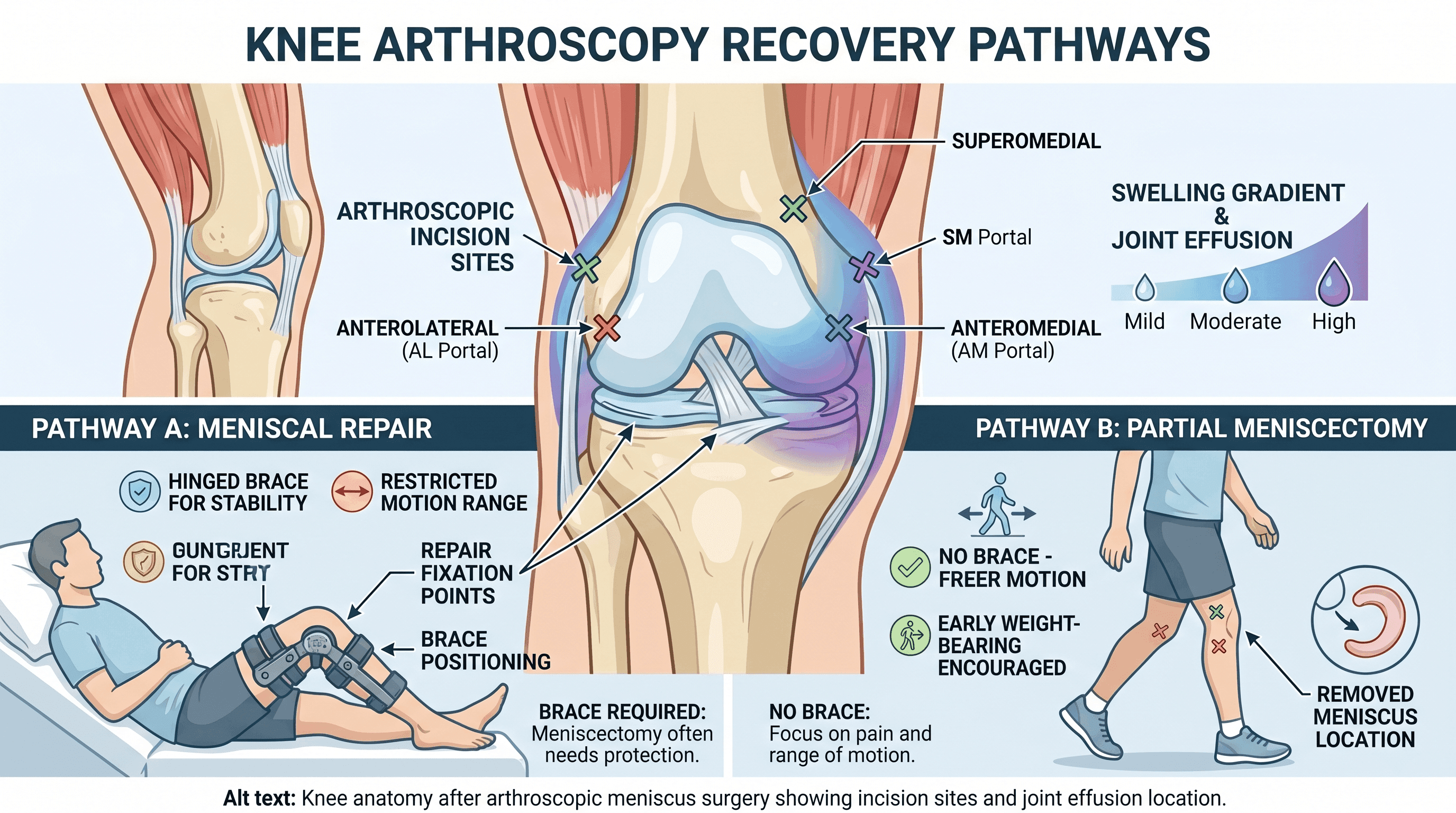
Arthroscopic incisions are small, typically two to three portals of about half a centimeter each, but the joint interior has experienced instruments, fluid irrigation, and manipulation. The knee responds with acute inflammation: warmth, swelling, redness around the incision sites, and significant stiffness. This is not a sign that something has gone wrong. It is the body mobilizing its repair resources.
What is happening at the incision sites: The skin closures, whether sutures or adhesive strips, are typically ready for removal or will dissolve on their own between days 7 and 10, depending on what your surgeon used. Keeping the wounds dry in the first 48 to 72 hours matters. After that window, showering is generally permitted with direct water contact, though submerging the knee in a bath or pool is restricted until the sites are fully closed.
Managing swelling in this window: The joint contains excess fluid, called a joint effusion, which is a normal consequence of arthroscopic surgery. Elevation above heart level for the first few days, ice application for 15 to 20 minutes several times a day, and compression all help manage this fluid. Most of the acute swelling reduces substantially by the end of week two, though some residual puffiness can persist for several weeks longer, particularly after repair surgery.
Sleep and positioning: Sleeping on the back with the leg elevated on a pillow is the most comfortable and protective position in this phase. For repair patients, the surgeon will specify a brace angle for sleeping. Side sleeping is typically restricted until swelling reduces enough that accidental knee bending does not stress the repair site.
First physical therapy appointment: For meniscectomy patients, the first PT session often occurs within the first week. The focus is on reducing swelling, restoring range of motion, and beginning gentle quad activation exercises. For repair patients, the initial PT window is more conservative, prioritizing protection of the sutured tissue over early movement.
Healing Timeline for a Partial Meniscectomy
Partial meniscectomy is the faster of the two surgical routes, and understanding why helps set realistic expectations.
In a meniscectomy, the surgeon trims away the torn or damaged portion of the meniscus rather than repairing it. Because no tissue is being sutured back together, there is no biological knitting process to wait for. The body simply adapts to the new, smoothed-out cartilage shape. Recovery is largely a matter of letting inflammation resolve and rebuilding the strength lost from disuse.
Weight-bearing timeline: Most meniscectomy patients are permitted to bear weight on the operated leg within one to two days of surgery, often with a short period of crutch use for comfort rather than medical necessity. The crutches are usually gone within a week.
Return to desk work and driving: Light desk work is typically possible within one to two weeks. Driving returns when the patient is off pain medication, has adequate knee control, and can perform an emergency stop comfortably. For right-knee procedures with automatic transmission vehicles, that is often around one to two weeks. For left-knee procedures or manual transmission, surgeons often advise waiting three to four weeks.
Return to physical activity: Low-impact activities like cycling or swimming can often resume around weeks three to four. A return to running, recreational sport, or any pivoting, cutting movements typically occurs between four and eight weeks, depending on how well strength has returned and whether the surgeon has cleared the patient after assessment.
The arthritis trade-off: The faster recovery of meniscectomy comes with a long-term consideration. Because meniscal tissue is removed rather than preserved, less shock-absorbing cartilage remains in the joint. Research published in the NIH National Library of Medicine confirms that partial meniscectomy is associated with a higher long-term risk of knee osteoarthritis compared with meniscus repair surgery. This is not a reason to avoid meniscectomy when it is the right surgical choice, but it is a reason to take joint health seriously in the years that follow.
Biological Healing Timeline for a Meniscus Repair
Meniscus repair surgery asks the body to do something fundamentally different from meniscectomy: to grow two torn tissue edges back together.
That process is slow, and it is slow for a specific biological reason. The meniscus is not uniformly supplied with blood vessels. Its outer third, called the red zone, has a relatively good vascular supply and heals with much higher success rates. The inner two-thirds, the white zone, receives nutrients primarily through joint fluid diffusion and has almost no capacity to heal on its own. When a surgeon performs a repair, the tear location within that spectrum is one of the strongest predictors of whether the repair will succeed.
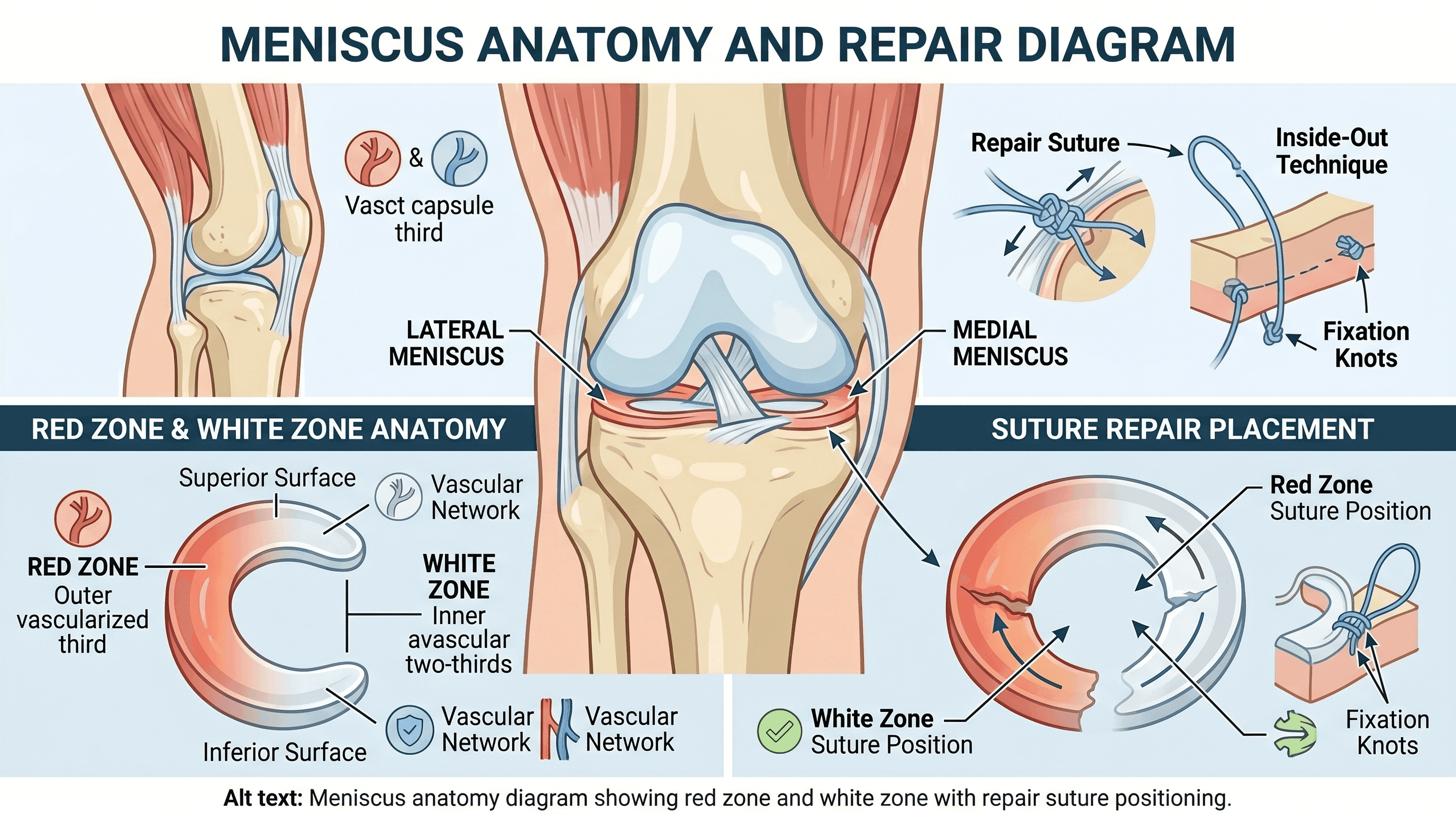
The biological healing sequence: After suturing, the repaired tissue goes through three overlapping phases. The first is the inflammatory phase, lasting roughly one to two weeks, where blood flow to the site increases and the repair process begins. The second is the proliferative phase, spanning weeks two through six, where new fibrocartilage cells begin bridging the gap. The third is the remodeling phase, which continues from roughly two months through six months, where the new tissue matures and gains structural integrity.
According to research in the NIH PMC database, the repaired meniscus does not regenerate as the original hyaline fibrocartilage but rather heals through a fibrocartilage scar bridge, which is structurally adequate but requires time and protected weight-bearing to reach maturity.
Crutch and brace timeline: Repair patients typically use crutches for four to six weeks to protect the healing sutures from excessive compressive load. A hinged brace is often worn for six to eight weeks, initially locked in a limited range and gradually unlocked as healing progresses. Full weight-bearing arrives around the six to eight-week mark for most patients, though this varies by tear location, repair technique, and surgeon preference.
Return to sport: Criteria-based return to sport for repair patients generally falls between four and six months. This means clearing specific strength and functional benchmarks, not simply reaching a date on a calendar.
Meniscus Transplant Recovery Time
Meniscus transplant surgery is performed in a narrow patient population: typically adults under 55 who have had most or all of a meniscus removed, have intact knee ligaments, and are experiencing pain that limits function. It involves implanting donor meniscal tissue to replace what was lost.
Because the transplanted tissue must fully integrate into the host joint, the timeline is significantly longer than for either of the other procedures.
Crutches are typically required for four to six weeks. Return to light activity, including walking without assistance and low-impact exercise, is generally possible around the three-month mark. Return to recreational sport, if cleared, may occur between nine and twelve months. Competitive or high-impact sport, when permitted at all, is not typically cleared before twelve months.
Patient selection and surgical technique have a substantial influence on outcomes, and not all patients are candidates. A thorough discussion with an orthopedic surgeon who specializes in knee reconstruction is the appropriate first step for anyone considering this option.
What Is Actually Happening Inside Your Knee?
Most patients understand the surgery in broad terms but have little picture of what the tissue is doing during the weeks they are waiting and rehabilitating. A simple breakdown helps make sense of the PT protocol and the restrictions.
When the meniscus is repaired, the sutured edges are held in close proximity but are not fused. The body responds by sending in specialized cells called fibroblasts, which lay down collagen fibers to bridge the gap. This new material is fibrocartilage, a hybrid tissue that is more fibrous and less precisely organized than the original meniscus but functional for load-bearing purposes. According to PMC research on meniscal healing biology, the quality of this fibrocartilage bridge depends heavily on adequate blood supply to the repair site, which is why vascular access at the tear location is such a critical prognostic factor.
The reason deep squats, pivoting, and heavy loading are restricted during the first six to eight weeks of repair recovery is not arbitrary caution. Excessive compressive or shear force applied before the fibrocartilage bridge has matured can disrupt the sutures or tear through the immature repair tissue. The PT protocol is designed to apply progressive load that stimulates healing without exceeding the tissue's current tensile strength.
For meniscectomy patients, the internal process is different. No new tissue growth is required. The remaining cartilage edges undergo a process of adaptation, and the joint gradually adjusts its load distribution across the altered surface. The remaining tissue does not regenerate what was removed, which is the biological basis for the long-term arthritis risk associated with this procedure.
Signs Your Meniscus Is Healing Exactly as It Should
Knowing what a healthy recovery looks and feels like makes the uncertainty more manageable.
Gradual, consistent swelling reduction: The post-surgical joint effusion does not disappear overnight. A well-healing knee will show progressive, week-over-week reduction in swelling and warmth. By the end of week two, the acute puffiness should be substantially reduced, even if some residual fullness remains around the joint line.
Improving range of motion: Each week should bring a small but measurable improvement in how far the knee bends and straightens. For meniscectomy patients, approaching full range of motion within three to four weeks is a positive sign. Repair patients move more slowly, and the brace may limit range intentionally in the early weeks.
Returning to a normal walking pattern: A natural heel-to-toe gait, without noticeable limping or guarding, is one of the clearest functional markers of early healing progress. For meniscectomy patients, this often occurs within two to three weeks. For repair patients, it tracks with the crutch-weaning timeline.
Achieving pain-free deep flexion: For repair patients specifically, reaching 90 degrees of flexion with no joint-line pain is an important mid-recovery milestone, typically expected around the six to eight-week point. Pain-free deep flexion, past 120 degrees, comes later and is a marker used in return-to-sport assessments.
Muscle activation without joint reaction: When quad sets, straight-leg raises, and early strengthening exercises are performed without triggering increased swelling or sharp joint-line pain, the knee is responding well to progressive loading.
Red Flags — Signs Your Internal Healing Has Stalled or Failed
Recovery is not always linear, and knowing which setbacks to escalate promptly is just as important as knowing what normal looks like.
Persistent or worsening swelling after week three: Some residual swelling beyond week two is normal. But if the knee is consistently more swollen than it was the week before, or if a significant flare of effusion occurs after a period of improvement, that warrants a call to your surgeon. Persistent effusion after the acute phase can indicate a re-tear, a fluid collection, or early signs of infection.
Fever or wound site changes: Any fever above 38.3 degrees Celsius (101 degrees Fahrenheit), increasing redness spreading from the incision sites, discharge that is cloudy or foul-smelling, or warmth concentrated around the wound rather than the joint generally all require prompt contact with your surgical team. Surgical site infection after arthroscopy is uncommon but requires early treatment.
A return of catching, clicking, or locking sensations: A mechanical catching or locking sensation when bending or straightening the knee, particularly if it was not present in the first week or two, can indicate re-tear of a repaired meniscus or a loose body within the joint. This symptom warrants timely evaluation rather than a wait-and-see approach.
Knee giving way under load: A feeling of the knee buckling or giving way during weight-bearing is not a normal part of meniscus recovery. It may reflect inadequate quad activation, but it can also signal repair failure or a concurrent ligament issue. A physical therapist or surgeon should assess this rather than simply pushing through it.
Severe pain that is unresponsive to prescribed pain management: Moderate discomfort during physical therapy is expected. Pain that is disproportionate, that worsens with rest rather than with activity, or that is not responding to the pain management your surgeon prescribed is a signal worth raising promptly.
If any of these patterns emerge, finding a qualified orthopedic specialist through Momentary Lab's doctor directory can help connect you with the right professional for a timely evaluation.
Lifestyle Factors That Make or Break the Healing Process
Population-level recovery timelines are averages. Individual biology, habits, and adherence determine where any specific patient lands within those ranges.
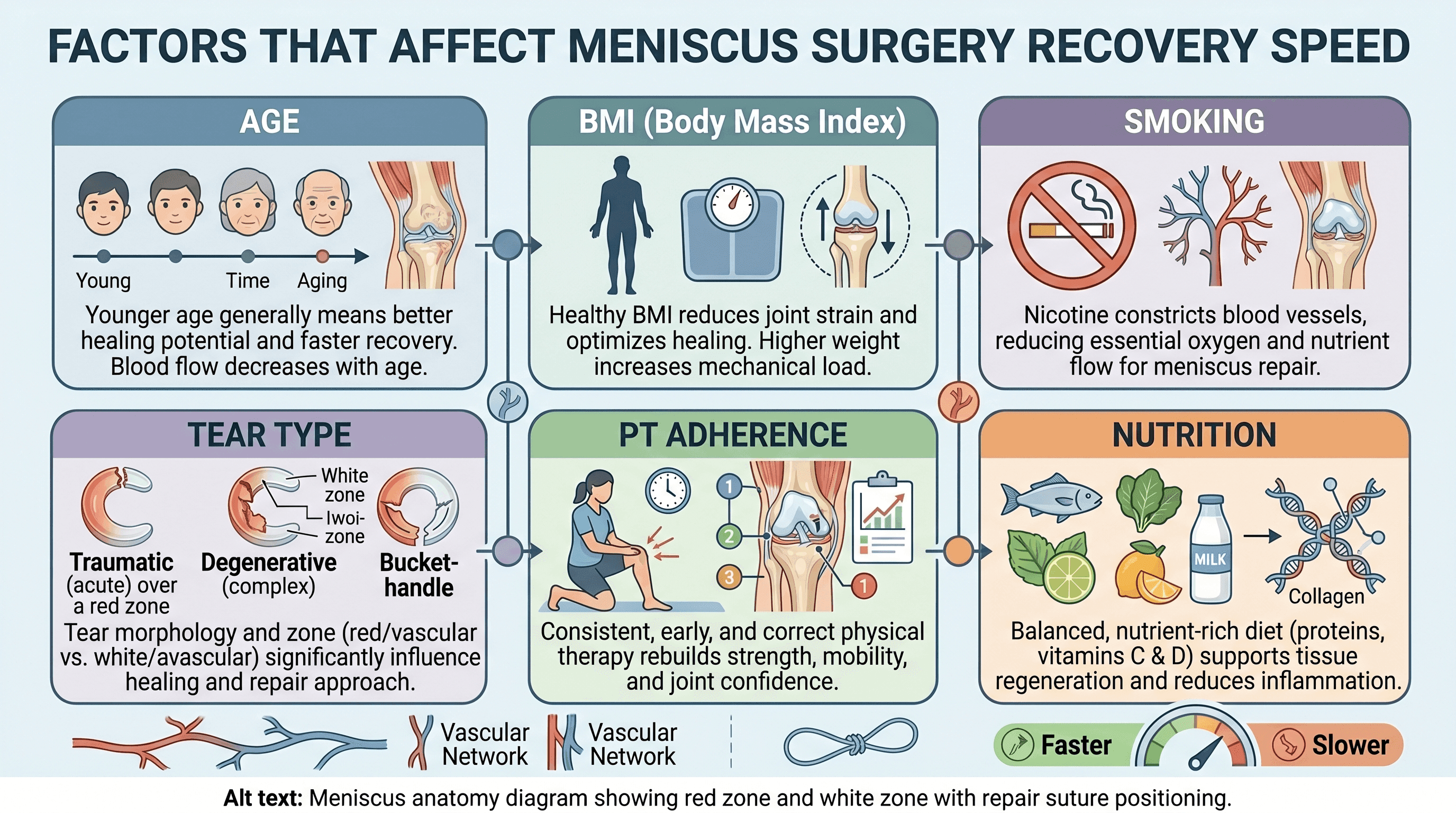
Age and tissue repair capacity: Younger patients, particularly those under 30, heal repair surgery faster because cartilaginous tissue is better vascularized in younger joints. The capacity for meniscal tissue healing diminishes with age, which is one reason repair surgery is rarely recommended for patients over 40 with white-zone tears. Healing is not impossible in older patients, but expectations should be calibrated accordingly.
BMI, smoking, and metabolic health: Elevated body weight increases mechanical stress on the healing repair during weight-bearing, which can impair the fibrocartilage bridge before it matures. Smoking reduces peripheral vascular supply, directly impairing the blood-driven healing process in the red zone and raising infection risk at the incision sites. Uncontrolled blood glucose in patients with diabetes delays wound healing and increases the risk of both incision site complications and joint infection. These are modifiable factors that have a meaningful impact on outcomes when addressed before and after surgery.
Tear type, zone, and concurrent injuries: As covered earlier, red-zone tears carry higher repair success rates than white-zone tears due to vascular access. Complex or degenerative tears and tears with irregular geometry are harder to suture effectively and carry lower healing rates. When a meniscus repair is performed at the same time as an ACL reconstruction, the ACL surgery can actually benefit meniscus healing by increasing vascular supply, but the overall recovery timeline is extended significantly compared with isolated meniscus repair.
Physical therapy adherence: Research consistently identifies PT compliance as the single strongest modifiable predictor of both recovery speed and long-term outcome quality. According to NIH PMC research on postoperative rehabilitation, structured progressive rehabilitation programs are associated with significantly better functional outcomes than unsupervised or inconsistent recovery. Skipping sessions, doing exercises incorrectly at home, or returning to high-impact activities ahead of the PT protocol are the most common reasons for extended recovery timelines and re-tear events.
Nutrition and sleep: Tissue repair requires raw materials. Adequate protein intake, generally 1.2 to 1.6 grams per kilogram of body weight per day during active recovery, supports the cellular synthesis underlying fibrocartilage formation. An anti-inflammatory dietary pattern, one lower in refined carbohydrates and ultra-processed foods and higher in vegetables, omega-3 fatty acids, and whole foods, may help modulate the inflammatory phase of healing without suppressing it entirely. Sleep quality matters too, as the bulk of growth hormone secretion, which supports tissue repair, occurs during deep sleep stages.
Prehabilitation: Building quad and hamstring strength before surgery consistently improves post-surgical outcomes. Patients who arrive at surgery with better baseline strength tend to regain functional capacity faster in the early rehabilitation window.
Practical Milestones: Driving, Work, and Returning to Sport
The practical questions that dominate patient concerns after meniscus surgery are often only partially answered in post-op paperwork. Here is a clear breakdown by procedure type.
Driving: After a meniscectomy on the right knee, most patients can return to driving an automatic transmission vehicle within one to two weeks, once they are off prescription pain medication, no longer using crutches, and can perform an emergency stop without hesitation. Left-knee meniscectomy patients and anyone using a manual transmission may need three to four weeks. Meniscus repair patients generally wait four to eight weeks before returning to driving, depending on which leg was operated on and the surgeon's clearance.
Desk work and remote work: Meniscectomy patients can typically return to seated office work within one to two weeks, managing with regular elevation breaks and ice as needed for swelling. Repair patients should expect two to four weeks before comfortable desk work is realistic.
Physical and manual labor: Jobs involving standing, lifting, walking extended distances, or operating heavy equipment require a longer pause. Meniscectomy patients typically need four to six weeks before returning to physical work. Repair patients should expect a minimum of three months, with some occupations requiring closer to six months depending on activity demands.
Recreational sport: Meniscectomy patients often return to recreational sport between four and eight weeks with surgeon clearance. For repair patients, recreational sport is typically delayed until the four to six-month mark. Return should be criteria-based, meaning based on strength testing and functional benchmarks, not simply on calendar time.
Competitive sport: Return to competitive or high-intensity sport after meniscus repair generally falls between four and six months. Meniscus transplant patients planning to return to competitive sport should expect a minimum of twelve months and should have an explicit return-to-sport assessment from both their surgeon and physical therapist before resuming.
Warning Signs Your Recovery May Be Off Track
The most common post-surgical anxiety after meniscus surgery is not knowing whether what you are experiencing is normal or whether something has gone wrong internally.
Persistent joint-line pain that is not improving on a week-over-week trajectory after the first two weeks should be discussed with your surgical team. Mild soreness after PT sessions is normal. Pain that lingers at rest, that is concentrated precisely at the medial or lateral joint line, or that increases with activities the protocol permits is worth escalating.
A return of catching or locking sensations, particularly after an initial pain-free period, is one of the clearest signals that a re-tear may have occurred. Repair re-tear rates vary by tear type and zone, but when they occur, they often announce themselves with this specific mechanical symptom.
Chronic effusion, meaning swelling that comes back after each activity session rather than gradually declining, suggests the joint is not tolerating the current load. This may mean the rehabilitation is progressing too fast, or it may indicate a problem with the repair that requires imaging to evaluate.
Knee giving way during walking or stairs, fever with incision site changes, or severe pain that is out of proportion to the activity level all warrant prompt contact with your surgeon rather than waiting for the next scheduled appointment.
Long-Term Outlook After Meniscus Surgery
Most patients do return to full activity, and that is the honest headline for the majority of meniscus surgery cases.
For meniscectomy patients, the long-term consideration is joint health rather than return to activity. The meniscus functions as a critical shock absorber, distributing load across the joint surface. With less meniscal tissue in place, that load concentration increases. Research from the NIH PMC confirms that partial meniscectomy is associated with an elevated long-term risk of knee osteoarthritis, with meaningful changes often becoming radiographically visible over a ten to twenty-year period. This is not a reason to catastrophize, but it is a reason to take joint-loading activities seriously in the years after surgery, maintain healthy weight, and build strong supporting musculature around the knee.
For repair patients whose surgery succeeds, the long-term outlook is considerably better in terms of joint preservation. A functional, well-healed repair maintains the shock-absorbing role of the meniscus and is associated with lower arthritis rates compared with meniscectomy. The trade-off is the longer and more demanding recovery.
Re-tear rates after repair surgery vary. Red-zone repairs in younger patients carry success rates in the range of 70 to 90 percent. White-zone repairs carry lower success rates, and failed repairs often require a subsequent partial meniscectomy. If a repair does not heal adequately, pain and mechanical symptoms typically return within the first six months to two years, and a follow-up MRI or arthroscopy can confirm the status of the repair site.
A successful meniscus transplant can meaningfully delay the progression of osteoarthritis in appropriately selected patients, particularly those who had a prior total meniscectomy and are too young for joint replacement. Long-term data on transplant durability continue to mature, but outcomes in well-selected patients are generally encouraging.
Frequently Asked Questions
How long after meniscus surgery can you walk normally? Meniscectomy patients are usually walking with a near-normal gait within two to three weeks of surgery, sometimes sooner. Meniscus repair patients rely on crutches for four to six weeks, and a natural walking pattern without a noticeable limp often returns between weeks six and ten as strength rebuilds and the brace protocol advances.
What is the fastest way to recover from meniscus surgery? The strongest evidence-based approach is a combination of strict adherence to the physical therapy protocol, adequate protein and nutrient intake to support tissue repair, avoiding premature return to high-impact activity, managing swelling consistently in the first two to three weeks, and, where possible, entering surgery in good cardiovascular and muscular condition through prehabilitation. There is no shortcut to biological healing, but optimizing these variables consistently moves patients toward the better end of the recovery range.
What I wish I knew before meniscus surgery? Most patients report that the gap between feeling better and being fully healed caught them off guard. The knee can feel 70 or 80 percent normal weeks before the internal tissue has matured enough to handle sport or heavy loading. Patients who understood this distinction from the start tended to be more patient with the protocol and had fewer setbacks from premature activity. Knowing that swelling after PT sessions is normal, but swelling at rest that keeps growing is not, is also something patients frequently wish they had understood earlier.
Can you get back to 100% after meniscus surgery? The majority of patients who complete rehabilitation appropriately return to their pre-injury activity level. Meniscectomy patients often report full functional recovery, though long-term joint health management becomes a consideration. Repair patients who achieve a successful biological heal also largely return to full activity, including competitive sport. The patients most likely to fall short of full recovery are those who return to high-impact activity before the tissue has matured or those whose repair does not achieve adequate biological healing.
How long until I can fully bend my knee again after meniscus repair? Reaching 90 degrees of flexion is typically a goal achieved by weeks six to eight for most repair patients. Full flexion, defined as the heel reaching or approaching the buttock, usually returns between months three and five, depending on swelling patterns, tissue healing progress, and how the PT protocol advances. Forcing flexion before the repair has matured increases stress on the suture site and can delay healing.
Which recovery is harder, ACL or meniscus? ACL reconstruction generally carries a longer total recovery timeline, with most protocols targeting nine to twelve months before return to competitive sport. Isolated meniscus repair falls in the four to six month range for sport return. However, the day-to-day experience of early recovery after meniscus repair is often more restrictive than after ACL reconstruction due to strict weight-bearing and range-of-motion limitations in the first six to eight weeks. ACL recovery tends to become progressively more active and strength-focused earlier in the timeline, while meniscus repair keeps patients in a protected, low-load state for longer. The two are frequently performed together, and combined ACL-meniscus recovery is more demanding than either procedure in isolation.
Recovering from meniscus surgery is rarely as straightforward as the discharge paperwork suggests. The timeline depends on which surgery was performed, where the tear was located, how well-supplied with blood the repair site is, how old the tissue is, and, most of all, how consistently the rehabilitation protocol is followed.
If questions arise during recovery about whether a symptom is normal, whether a milestone is on track, or whether the plan needs adjustment, those are conversations worth having with the surgical and PT team promptly. For anyone navigating complex symptoms, seeking a second opinion, or looking for health information across the recovery journey, Momentary Lab's AI Healthcare Navigator can help make sense of options and next steps.
References
- Cleveland Clinic: Meniscus Surgery — Overview of meniscus surgical procedures, recovery, and post-operative expectations.
- NIH National Library of Medicine: Meniscus Surgery — Clinical review of meniscectomy, long-term osteoarthritis risk, and surgical outcomes.
- NIH PMC: Meniscal Healing Biology — Research on fibrocartilage healing mechanisms, vascular zone anatomy, and repair success rates.
- NIH PMC: Meniscus Repair and Fibrocartilage Formation — Study on the biology of fibrocartilage scar bridge formation after meniscal repair.
- NIH PMC: Postoperative Rehabilitation Outcomes — Research on the impact of structured PT programs on meniscus surgery functional outcomes.