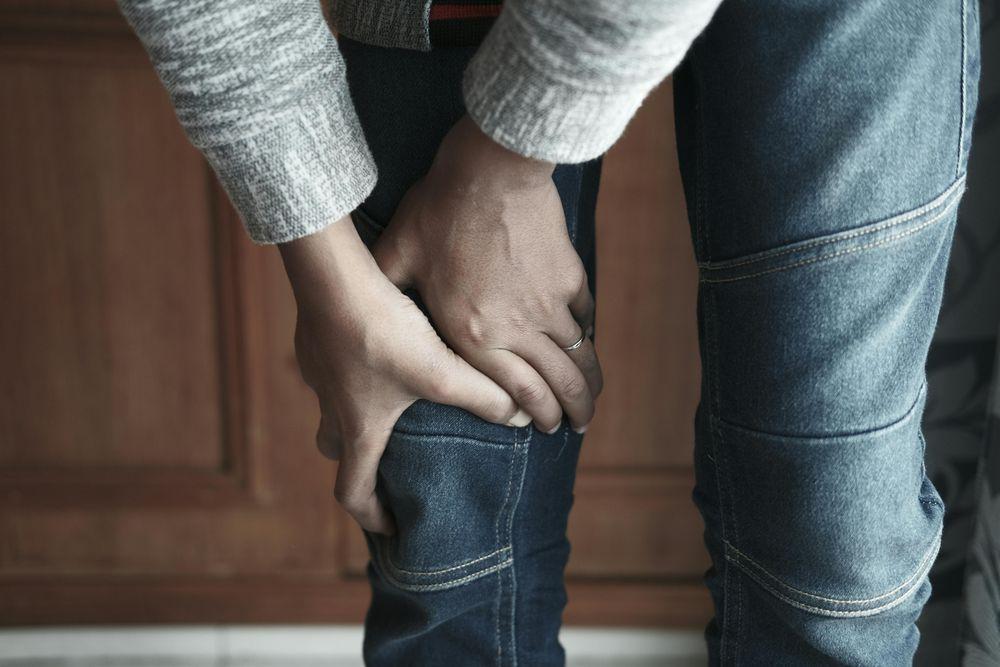


If nobody warned you about muscle spasms before your total knee replacement (TKR), you are not alone. They show up uninvited on night one, they flare during physical therapy, and they have a frustrating habit of waking you at 2 a.m. just when rest feels non-negotiable. The good news: spasms after knee replacement surgery are a normal, well-documented part of recovery, and there are specific, evidence-informed strategies to manage them at every stage.
This guide covers why spasms happen after total knee arthroplasty (TKA), how long they typically last week by week, what to do the moment one strikes, how to sleep through the night, and which medications and supplements your surgeon may discuss with you.
At a Glance
| Topic | Key Facts |
|---|---|
| Primary cause | Surgical tissue trauma triggering protective muscle guarding and nerve disruption |
| Most intense phase | Days 1 to 7 post-op |
| Typical resolution | Weeks 4 to 6 with consistent physical therapy |
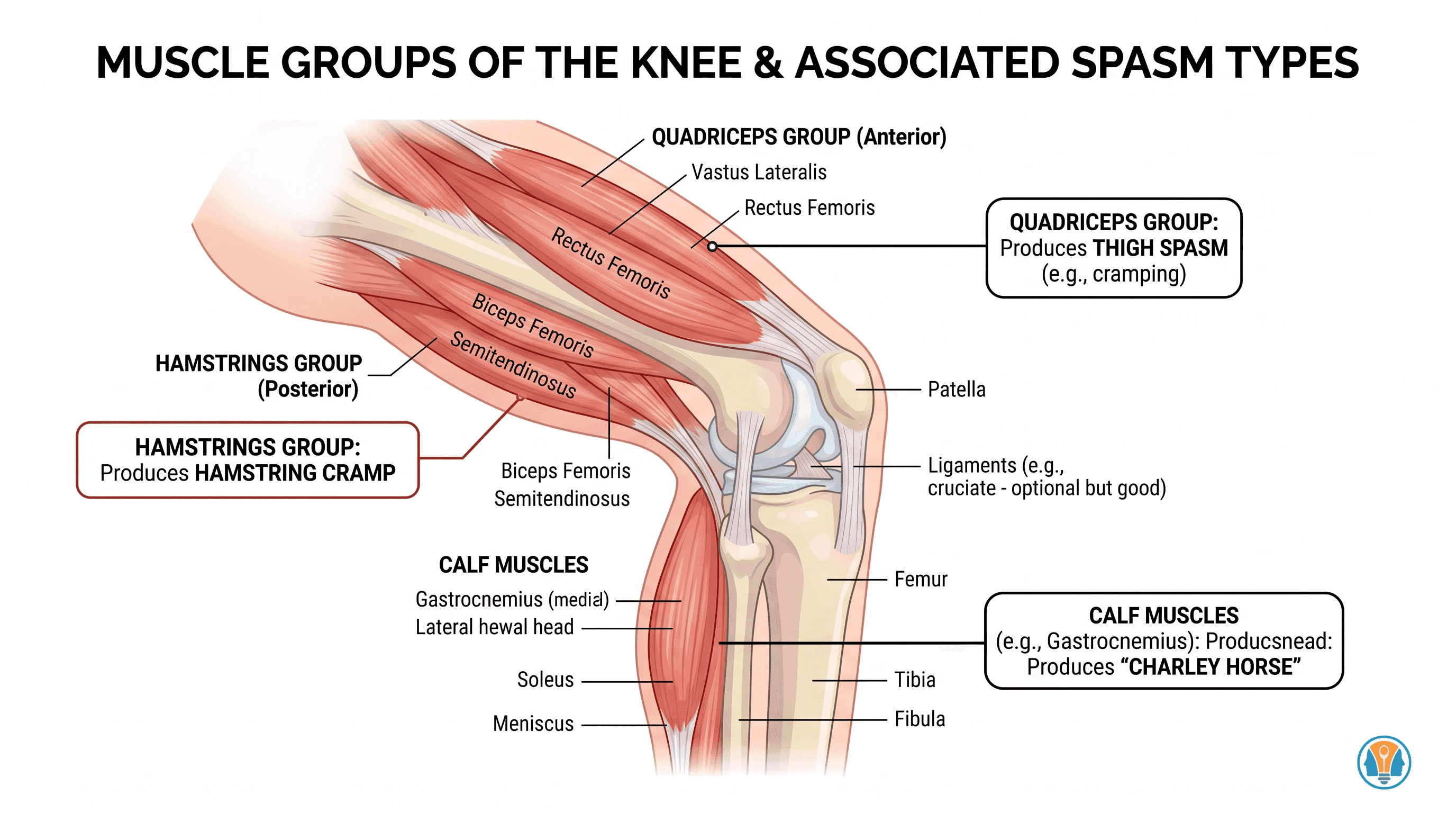
| Most affected muscles | Quadriceps, hamstrings, calf muscles |
| Night spasms | Common due to position changes, muscle cooling, and medication timing |
| Red-flag symptoms | Calf swelling plus spasms (DVT risk), fever above 101.5°F, sudden loss of range of motion |
| First-line management | Positioning, controlled breathing, heat or ice, PT exercises, hydration |
| Prescription options | Methocarbamol, cyclobenzaprine (with important drug interaction warnings) |
Why Do Muscle Spasms Happen After Knee Replacement?
Muscle spasms after knee replacement surgery stem from three overlapping biological responses to surgical stress, not from anything going wrong with the procedure itself.
Mechanism 1: Protective muscle guarding. When the body detects surgical trauma around the knee joint, surrounding muscles contract involuntarily to brace the area. This is a protective reflex, the nervous system's way of immobilizing what it perceives as a threat. Research on quadriceps dysfunction following TKA confirms that this guarding response is a predictable neurological reaction to joint surgery, and it can persist well into the subacute recovery phase.
Mechanism 2: Sensory nerve disruption. The surgical incision and tissue manipulation inevitably disturb small sensory nerve endings in and around the knee. As a nerve block wears off in the first 24 to 48 hours, damaged or irritated nerves begin firing irregularly, producing involuntary muscle contractions and postoperative muscle twitching that can feel like electric jolts or deep cramping.
Mechanism 3: The pain-spasm feedback loop. Pain itself provokes muscle contraction, and that contraction amplifies pain, which produces more contraction. Studies on postoperative pain management following total knee arthroplasty describe this cycle as one of the primary drivers of functional limitation in early recovery.
Protective Muscle Guarding vs. Cramping vs. Nerve Firing: What Is the Difference?
Understanding which type of spasm is occurring helps patients choose the right response.
Protective muscle guarding feels like a sustained, dull tightness across the quadriceps or hamstrings. It often occurs after any attempt to straighten or bend the knee and can last minutes at a time. It responds best to gentle range-of-motion work and heat applied before movement.
True cramping is a sudden, intense, localized contraction, similar to a charley horse, often in the calf or hamstring. It is frequently linked to dehydration, low electrolyte levels (particularly magnesium and potassium), and prolonged immobility. It tends to resolve within 30 to 90 seconds with passive stretching.
Nerve-mediated involuntary contractions feel like brief, rapid twitches or "zingers" that fire unpredictably, especially as the nerve block wears off in hours 12 to 36 after surgery. These typically reduce on their own as nerve endings settle, though they may recur during aggressive physical therapy sessions.
How Long Do Muscle Spasms Last After Knee Replacement Surgery?
Muscle spasms after knee replacement surgery typically peak in the first week and taper significantly by weeks 4 to 6 with consistent physical therapy. Here is what to expect at each stage.
Days 1 to 7 (Acute Phase). This is the most intense window. The nerve block is fully wearing off, post-surgical inflammation is at its highest, and protective muscle guarding is in full effect. Spasms during this phase can feel severe. Hospital staff will have protocols in place, including nerve blocks, oral analgesics, and positioning aids.
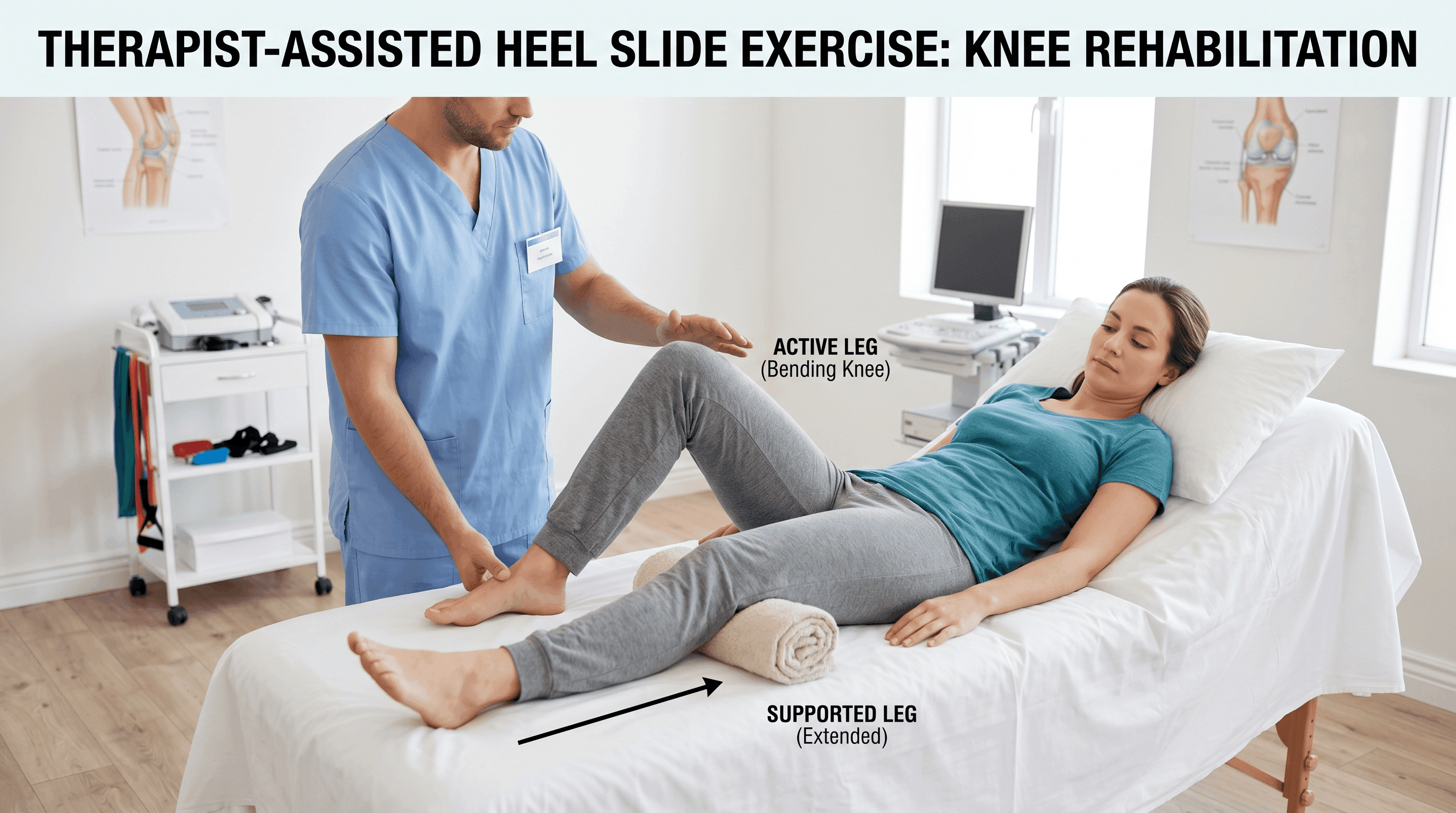
Weeks 2 to 4 (Subacute Phase). Spasms shift from constant to activity-triggered. They tend to flare during and after physical therapy sessions, particularly after heel slides and straight-leg raises. Most patients find that consistent, moderate PT reduces spasm frequency within this window, while over-exertion extends it.
Weeks 4 to 6 (Tapering Phase). With consistent PT attendance and adequate hydration, the majority of patients report a meaningful drop in spasm frequency and intensity. Quadriceps spasms and hamstring cramps that once hit daily may reduce to occasional flares after more demanding sessions.
Beyond 6 Weeks. Persistent or worsening spasms past the six-week mark warrant a conversation with the surgical team. Published research on quadriceps recovery after TKA notes that ongoing muscle inhibition at this stage may indicate incomplete rehabilitation, nerve sensitivity, or an underlying complication that needs assessment.
"Quadriceps muscle dysfunction is a well-documented consequence of total knee arthroplasty and is considered a primary barrier to functional recovery." PubMed, Quadriceps Dysfunction After TKA
Immediate Relief: What to Do When a Spasm Strikes Right Now
The 60-second response to an acute spasm focuses on interrupting the contraction cycle, not forcing through it.
Step 1: Straighten and support the leg. Avoid the instinct to curl or guard the knee. Gently straighten the leg and let the heel rest on a pillow or rolled towel so the knee is at a slightly lower angle than the heel. This positioning reduces muscle load immediately.
Step 2: Controlled breathing. A slow exhale through pursed lips activates the parasympathetic nervous system and begins to lower the muscle's contractile state. Inhale for 4 counts, exhale for 6. Repeat three to five cycles before attempting any movement.
Step 3: Gentle ankle pumps. Moving the ankle slowly up and down (dorsiflexion and plantarflexion) stimulates blood flow in the lower leg without loading the knee. This is often enough to interrupt a calf or hamstring cramp within 30 to 60 seconds.
Step 4: Heat application (if the incision is healed). A warm compress or heating pad applied to the thigh or quadriceps area for 15 to 20 minutes before movement can reduce muscle excitability. Do not apply heat directly over a fresh surgical incision.
Physical Therapy Exercises That Help (and How Not to Trigger More Spasms)
The goal of post-TKA physical therapy is to restore quad strength and knee range of motion without pushing the pain-spasm cycle into overdrive.
Research on early rehabilitation protocols following total knee arthroplasty supports a graduated approach where intensity scales with tolerance rather than a fixed schedule. The exercises most commonly recommended in early PT include ankle pumps (performed hourly while awake to reduce DVT risk and maintain circulation), heel slides (bending the knee by sliding the heel toward the body on the bed surface), quad sets (tightening the quadriceps without bending the knee, held for 5 to 10 seconds), short-arc quad raises (lifting the lower leg from a small wedge), and gentle ambulation with an assistive device as cleared by the surgical team.
A practical intensity rule: work to the edge of discomfort, not into sharp pain. If spasms noticeably increase in the 24 hours following a PT session, that session was likely too aggressive.
Why Pushing Too Hard in PT Makes Spasms Worse
The pain-spasm cycle described earlier does not pause during physical therapy. When a PT session loads the muscle beyond its current capacity, it triggers a fresh round of protective muscle guarding that can last 12 to 24 hours. Patients who follow a "no pain, no gain" philosophy in the first three weeks often report longer overall spasm duration than those who respect their daily tolerance ceiling.
A useful self-check: rate spasm frequency and intensity the morning after each PT session on a 1 to 10 scale. If the score is trending up over a three-session window, bring that data to the physical therapist for a load adjustment.
Heat, Ice, Elevation, and Compression: Using Each One Correctly
Generic advice to "ice the knee" misses some important nuances in post-TKA recovery.
Heat works best applied to the thigh and quadriceps area for 15 to 20 minutes before stretching or PT. It increases local blood flow and reduces muscle excitability, making it easier to move into range-of-motion exercises. Do not apply heat directly over the incision site until it has fully closed and any staples or sutures have been removed.
Ice (cryotherapy) is more effective after activity than before. Apply it over the knee area for 15 to 20 minutes post-exercise to reduce inflammation and swelling. Always use a cloth barrier between ice and skin to protect healing tissue. Research on cryotherapy in the postoperative period supports its role in reducing acute postoperative pain and swelling.
Elevation reduces venous pooling and swelling. Position the calf on a firm pillow so the heel is elevated but the knee sits slightly lower than the hip, not higher. Elevating the knee above the hip can restrict circulation.
Compression garments (TED hose or anti-embolism stockings) are typically prescribed by the surgical team for DVT prevention. Follow the surgeon's specific guidance on when to wear and remove them. Compression is not a spasm treatment on its own but supports overall circulation, which reduces cramping risk.
Night Spasms After Knee Replacement: Why They Are Worse and How to Sleep
Night spasms are often the most distressing part of knee replacement recovery, and they are also the subject most conspicuously absent from pre-op education materials.
Several factors combine to make spasms worse at night. Muscles cool and tighten when the body is at rest. Position changes during sleep can abruptly load the quad or hamstring in ways that trigger a cramp. Pain medications taken earlier in the day may be wearing off. And without the distraction of daytime activity, even mild spasms feel amplified.
Sleep positioning matters considerably. Sleeping on the back with a thin pillow under the calf (not under the knee) is generally the most spasm-friendly position. Side sleeping on the non-operated side is workable provided the operated leg is kept relatively straight with a pillow between the knees to prevent rotation. Avoid sleeping on the operated side.
A pre-bedtime routine can reduce night spasm frequency significantly. Five minutes of gentle heel slides followed by 20 minutes of leg elevation before lights out helps discharge some of the day's accumulated muscle tension and reduces overnight venous pooling.
Magnesium glycinate taken 30 to 60 minutes before bed has a reasonable physiological rationale for spasm reduction. Magnesium acts as a calcium-channel antagonist in muscle tissue, dampening the contractile signal at the cellular level. The typical supplemental dosing range discussed in clinical practice is 200 to 400 mg of elemental magnesium daily, but a doctor or pharmacist should confirm the right amount based on individual kidney function and other medications.
Restless Leg Syndrome (RLS) is worth distinguishing from standard spasms in the post-op period. RLS produces an uncomfortable urge to move the legs, typically worse at night, often accompanied by a crawling or tingling sensation. It is distinct from a true cramp or guarding spasm. Post-surgical RLS can occur and may require separate management. Bring it up with the surgeon or primary care provider if the sensations feel more like an irresistible urge to move than a sharp muscle contraction.
Medications and Supplements That Reduce Muscle Spasms
A range of pharmaceutical and supplemental options can support spasm management after knee replacement surgery. Always confirm any of these with the prescribing surgeon or a pharmacist before use.
Methocarbamol (Robaxin) is a centrally acting muscle relaxant that works on the spinal cord rather than directly on the muscle. It is commonly prescribed in the early post-op window. Its primary side effect is drowsiness, which makes it most practical when taken in the evening. It generally does not carry the same drug interaction risk as some other relaxants.
Cyclobenzaprine (Flexeril) is another centrally acting relaxant that is sometimes prescribed, but it carries a clinically significant drug interaction warning that no other commonly cited resource in this space adequately highlights. Cyclobenzaprine is contraindicated with monoamine oxidase inhibitors (MAOIs) and should be used with caution alongside selective serotonin reuptake inhibitors (SSRIs) due to the risk of serotonin syndrome. Patients taking antidepressants must flag this to their surgeon before any muscle relaxant prescription is filled.
NSAIDs and acetaminophen address the inflammatory and pain components that feed the spasm cycle. Ibuprofen and naproxen should be taken with food and are typically limited in duration post-surgically due to gastrointestinal and renal considerations.
Magnesium glycinate (discussed above) may reduce cramp frequency overnight. The glycinate form is better tolerated gastrointestinally than magnesium oxide.
Hydration and electrolytes. Dehydration reduces intramuscular calcium-magnesium balance and is a well-recognized trigger for muscle cramping. Drinking adequate water throughout the day and including foods or low-sugar beverages that restore potassium and sodium after any activity supports muscular stability during recovery.
When Muscle Spasms Are a Warning Sign
Most post-TKA spasms are benign and self-limiting, but some presentations warrant prompt contact with the surgical team.
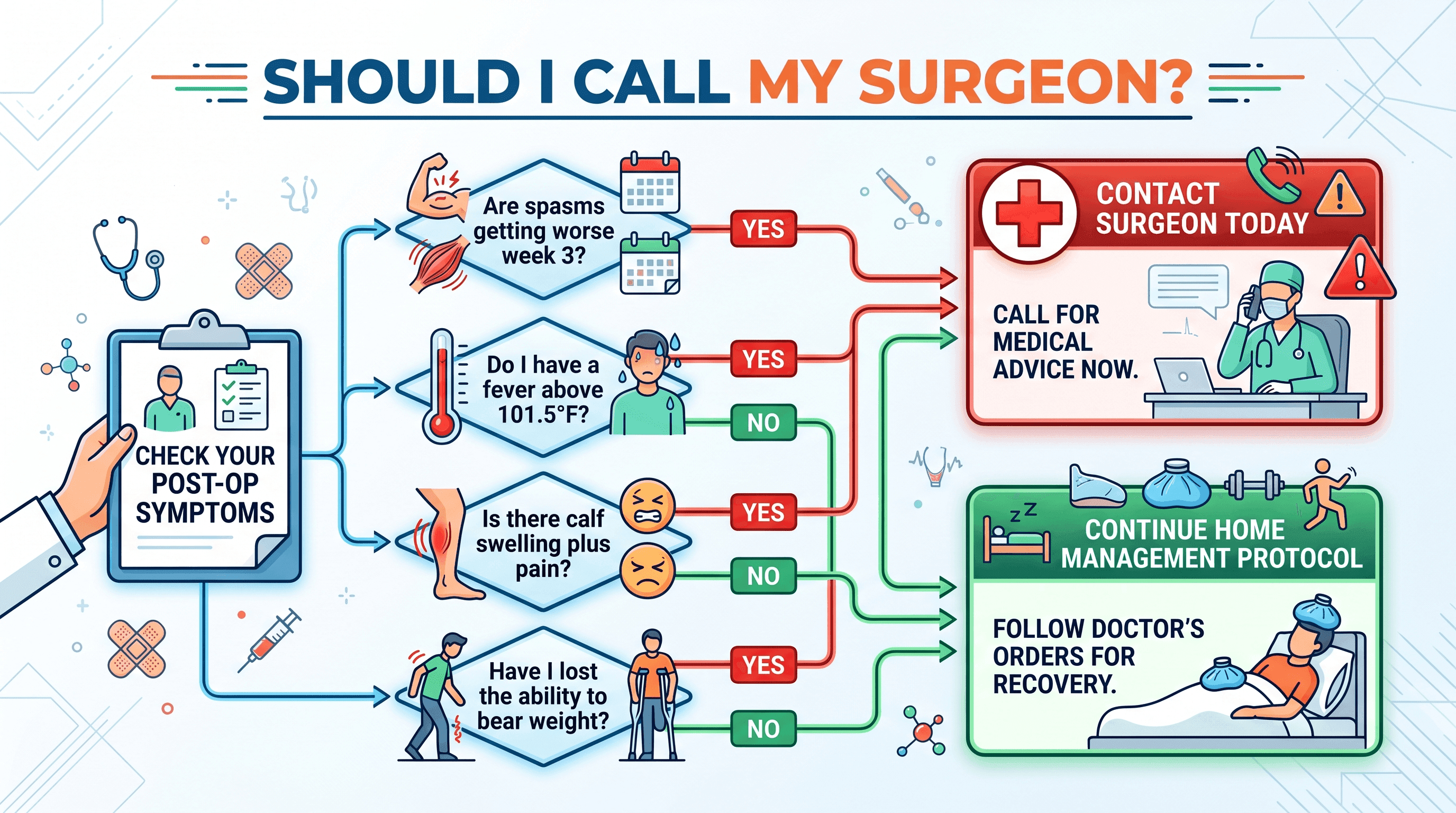
Contact the surgeon if spasms are intensifying rather than improving after the third week, if a fever above 101.5°F accompanies increased pain or spasms (this combination can signal a joint infection), if there is sudden new swelling, heat, or redness at the incision site, or if the ability to bear weight abruptly decreases.
One specific scenario requires urgent attention: spasms or cramps in the calf combined with significant swelling, warmth, or redness in the lower leg. This combination is a possible signal for deep vein thrombosis (DVT), a known complication of lower limb surgery. DVT requires same-day evaluation. Do not wait for a scheduled appointment.
If recovery is progressing well but questions are accumulating, working with an orthopedic specialist directly is the most efficient path forward. Find a doctor at Momentary Lab to connect with a physician who can review the recovery timeline and address concerns specific to individual circumstances.
Frequently Asked Questions
How long do muscle spasms last after knee surgery? For most patients, the most intense spasms occur in the first seven days after total knee arthroplasty. With consistent physical therapy and proper hydration, spasm frequency typically drops significantly between weeks four and six. Spasms that worsen or do not improve after six weeks should be discussed with the surgical team, as they may indicate incomplete rehabilitation or another underlying issue.
What helps with muscle cramps after knee replacement? A combination approach works best: heat applied to the thigh before movement, ice after activity, adequate hydration throughout the day, magnesium glycinate before bed, and a graduated PT program that respects daily tolerance limits. For severe cramps, methocarbamol or cyclobenzaprine may be prescribed by the surgeon, though cyclobenzaprine has important drug interaction considerations for patients taking antidepressants.
What are the five mistakes people make after knee replacement? The five most common recovery mistakes are pushing through sharp pain in PT (which amplifies the spasm cycle), neglecting hydration (which increases cramping), applying ice directly to an unhealed incision (which damages healing tissue), elevating the knee higher than the hip (which restricts circulation), and ignoring calf swelling alongside spasms (which can indicate DVT and requires prompt evaluation).
How do you stop a knee muscle spasm immediately? Straighten and support the leg, breathe slowly with a long exhale, and perform gentle ankle pumps for 30 to 60 seconds. This sequence interrupts the contraction signal without loading the knee. If the spasm is in the thigh, a warm compress applied to the quadriceps after the initial response can help prevent recurrence within the same session.
Is it normal to have muscle spasms three months after knee replacement? Occasional mild spasms at three months are not unheard of, particularly after more demanding activity. However, frequent or intensifying spasms at this stage are outside the expected recovery arc and should be evaluated by the orthopedic surgeon. Persistent quadriceps inhibition beyond three months may require additional targeted PT intervention.
Can a TENS unit help with spasms after total knee arthroplasty? Transcutaneous electrical nerve stimulation (TENS) units are sometimes used in post-surgical PT settings to modulate pain signals and reduce muscle guarding. Their use directly over a healing incision is not appropriate, but applying electrodes to the surrounding thigh musculature under physical therapist guidance may offer relief for some patients. Confirm with the surgeon before self-applying a TENS unit at home.
Muscle spasms after knee replacement surgery are one of the most under-discussed parts of the recovery process, but they are manageable with the right knowledge and a consistent approach. The timeline is predictable, the mechanisms are well understood, and there are specific, actionable tools for every phase: the acute first week, the subacute PT window, the sleepless nights, and the longer plateau. Work to discomfort, not through pain. Hydrate consistently. Communicate with the care team when something feels off. Recovery does take time, but the spasms do resolve.
For personalized guidance on navigating post-surgical symptoms and finding the right specialist, the Momentary Lab AI Healthcare Navigator can help connect to the right care resources.
References
- PMC12758997 — NIH/PMC — Cited for postoperative pain and spasm mechanisms following knee arthroplasty.
- PubMed 40812459 — Cited for post-TKA recovery outcomes and rehabilitation considerations.
- PMC2674190 — NIH/PMC — Cited for cryotherapy evidence in postoperative pain management and early rehabilitation protocols following TKA.
- PubMed 26683980 — Cited for quadriceps dysfunction and muscle inhibition as a primary barrier to functional recovery after total knee arthroplasty.
- PubMed 34230983 — Cited for the pain-spasm feedback loop and its role in limiting early TKA rehabilitation.