


Every year, an estimated 12 million Americans are affected by a diagnostic error, according to a 2025 comprehensive review published in the Annals of Medicine and Surgery. Some of those errors happen because a pattern was too subtle to catch at the right moment. A shadow on a scan too faint for the human eye. A lab value that shifted just slightly outside the norm, weeks before anything else changed. AI disease detection is built to catch exactly those moments.
In 2026, the conversation around artificial intelligence in medicine has moved well past the theoretical. More than 1,250 AI-powered medical devices have received FDA clearance as of mid-2025, and 66% of physicians reported using healthcare AI in 2024, nearly double the rate from 2023. What was once a research project is now an active part of clinical workflow, and in some specialties, it is already changing what "early detection" means.
This guide covers how AI disease detection works at the technology level, which diseases it can identify and how accurately, and what tools are actually available today — for both clinicians and patients. The goal is a clear, evidence-based picture: not hype, and not dismissal.
At a Glance
| Topic | Key Facts |
|---|---|
| FDA-cleared AI medical devices | 1,250+ as of July 2025 |
| Physicians using healthcare AI (2024) | 66% (up from 38% in 2023) |
| Annual US diagnostic errors | ~12 million Americans affected |
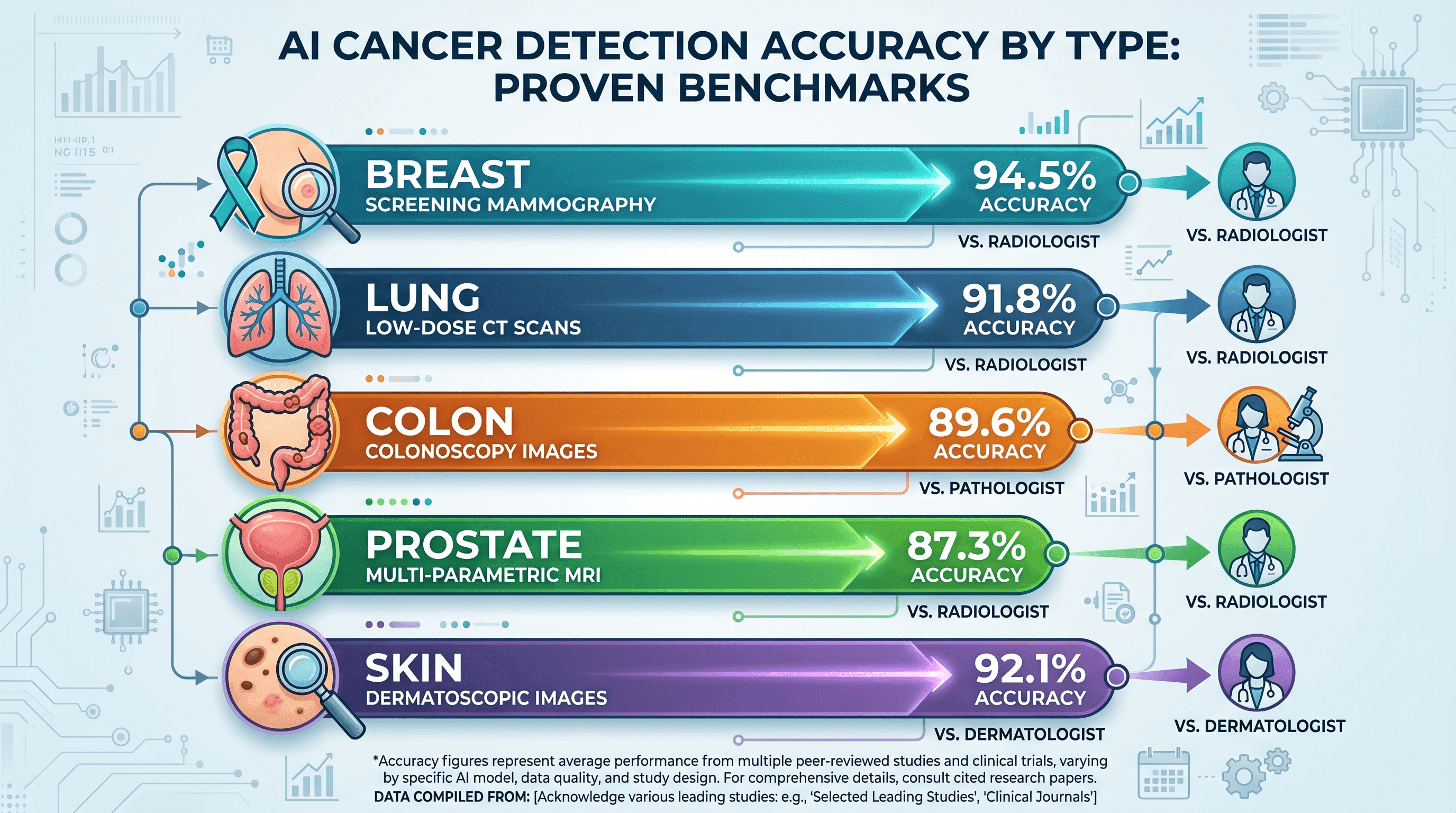
| AI accuracy in breast/lung cancer detection | ~94% in peer-reviewed benchmarks |
| First autonomous FDA-cleared AI diagnostic | IDx-DR (diabetic retinopathy) |
| Wearable ECG | FDA-cleared on multiple consumer devices |
| Key 2026 regulatory event | EU AI Act full compliance deadline, August 2026 |
The End of "Wait and See"
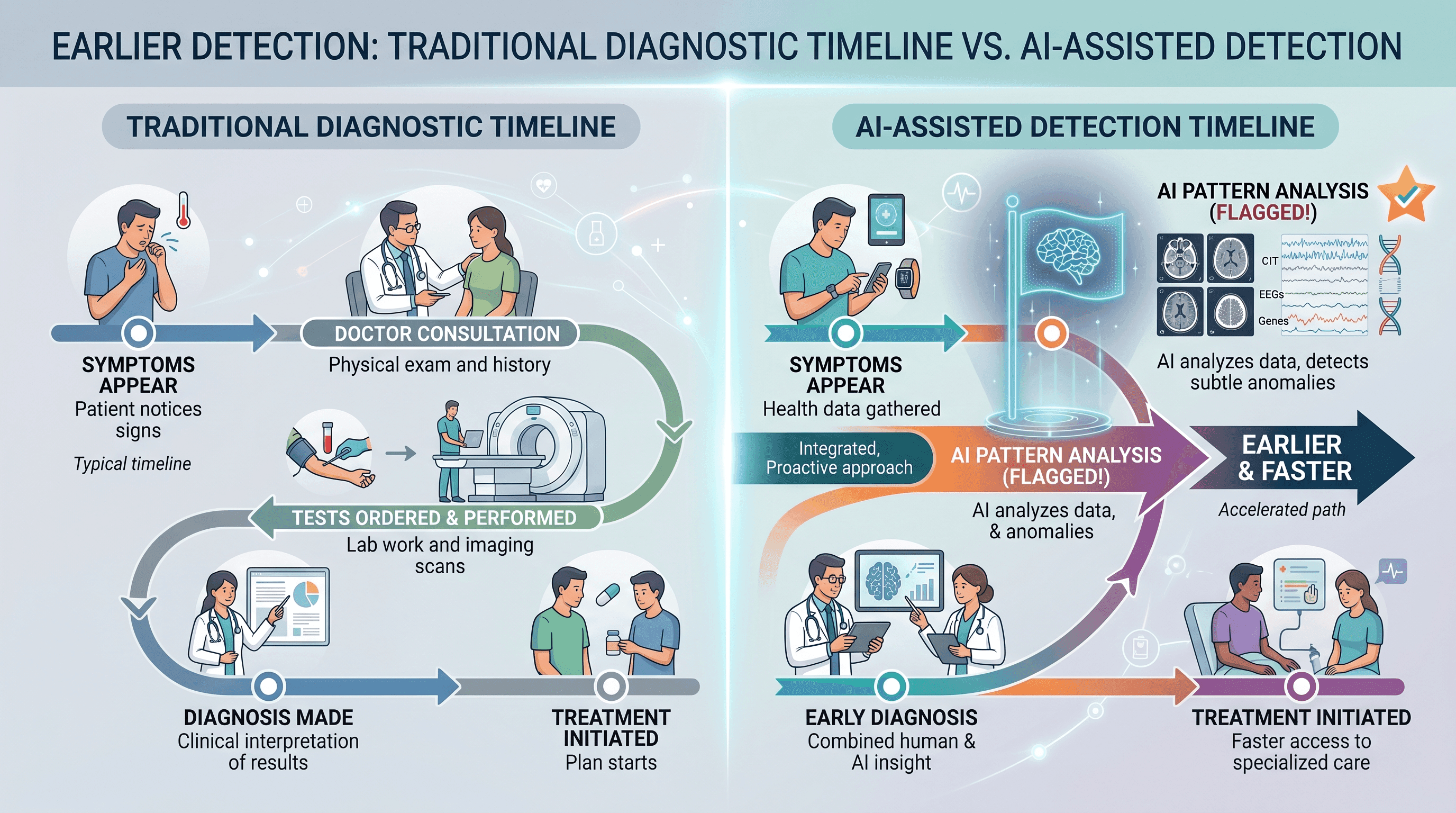
AI disease detection refers to the use of deep learning and machine learning algorithms to identify patterns in clinical data, including medical imaging, genomic sequences, blood biomarkers, and continuous wearable signals, that point toward disease before symptoms become obvious or measurable by conventional means.
The shift this represents is significant. Traditional medicine has always been reactive to some degree: a patient presents with symptoms, tests are ordered, a diagnosis follows. AI-assisted detection changes the sequence. Algorithms trained on millions of patient records can identify sub-visual markers — changes below the threshold of human perception — allowing intervention at the earliest possible stage. Researchers increasingly refer to this as "Stage 0" detection, where structural or molecular changes are present but the disease has not yet expressed clinically.
A 2025 review published in BMC Medical Informatics and Decision Making found that explainable AI models applied to disease prediction across multiple data types, including imaging, clinical records, and biosignals, consistently outperformed traditional risk scoring in early identification tasks. The significance of that finding is not just accuracy. It is timing.
Radiology and Advanced Medical Imaging
AI-assisted radiology is the most mature branch of ai disease detection, and the accuracy benchmarks in 2026 are genuinely striking.
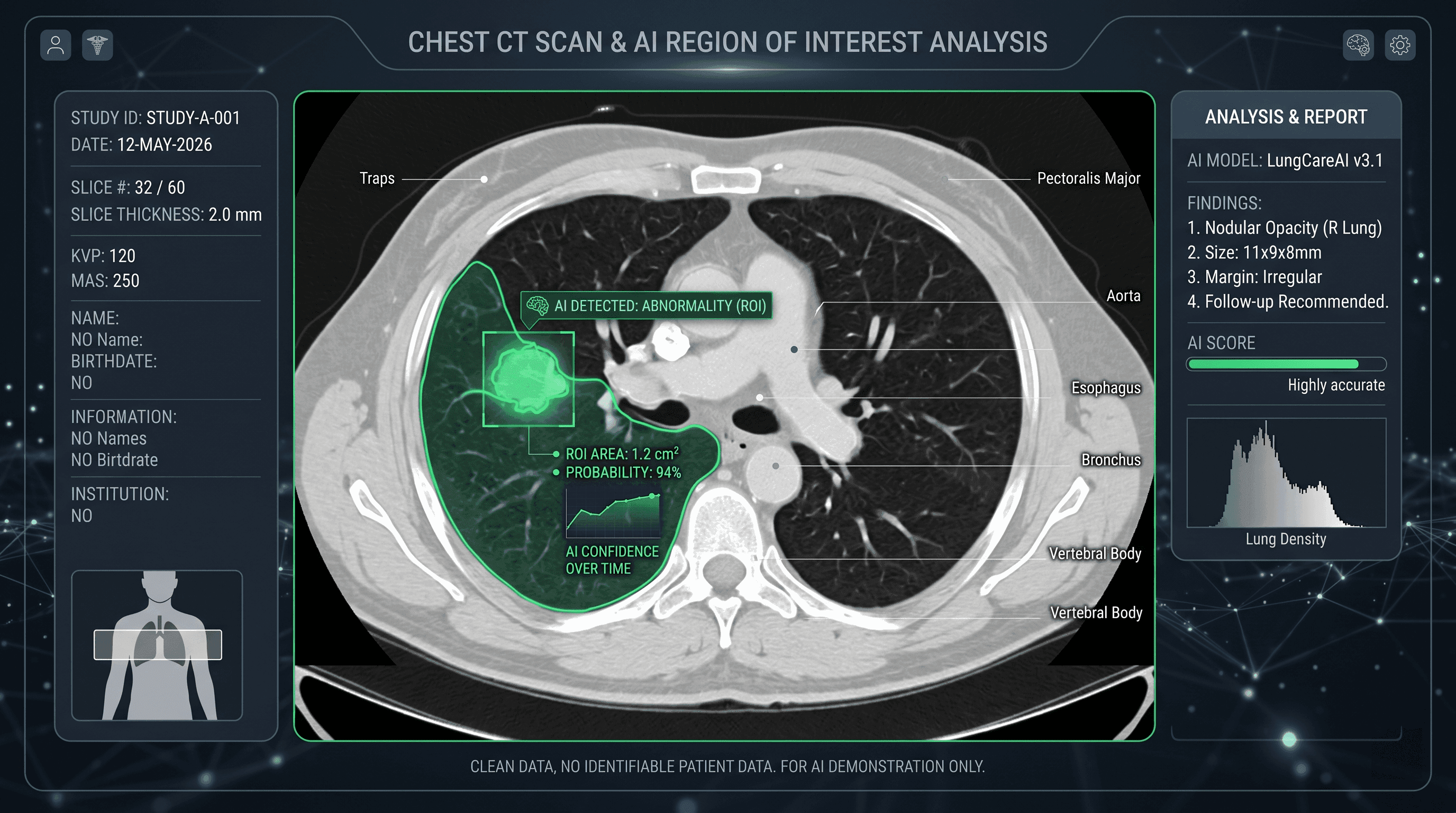
Convolutional neural networks (CNNs), a class of deep learning model that excels at identifying spatial patterns in images, are now embedded in clinical imaging workflows at major health systems across the United States. In lung nodule detection, thoracic AI systems have demonstrated sensitivity greater than 94% in published benchmarks, meaning they flag the presence of a suspicious lesion more reliably than a radiologist reviewing the same scan alone.
The GI Genius intelligent endoscopy module, which received FDA clearance, assists gastroenterologists during colonoscopy by highlighting potential polyps in real time. Clinical studies associated with this tool found it helped reduce the rate of missed adenomas, which are precancerous colon growths, by approximately 50% compared to unassisted procedures. Missed adenoma detection is one of the most persistent challenges in colorectal cancer prevention, and a 50% reduction in that gap has real downstream consequences for patient outcomes.
For chest X-ray interpretation, AI models such as those benchmarked in the CheXNet research lineage from Stanford can analyze an image in roughly 90 seconds and flag findings such as pneumonia, pleural effusion, and pulmonary nodules. A key advantage here is throughput: in settings where radiologist coverage is limited, AI triage can ensure that the highest-priority scans are reviewed first.
Mammography AI has been evaluated against pathologist-read mammograms in multiple studies. A widely cited Google Health study published in Nature showed that an AI system matched or exceeded the detection rate of radiologists reviewing mammograms independently, with a meaningful reduction in false positives. False positives in mammography lead to unnecessary follow-up procedures, so accuracy in both directions matters.
Cardiovascular Screening and Silent Killers
Cardiovascular disease remains the leading cause of death in the United States, and many of its most serious forms — left ventricular systolic dysfunction, atrial fibrillation, subclinical coronary artery disease — progress for years without obvious symptoms.
A research team at the Mayo Clinic developed an AI algorithm that analyzes standard 12-lead ECG readings to detect left ventricular systolic dysfunction (LVSD), a condition where the heart's pumping chamber weakens over time. Left untreated, LVSD progresses to heart failure. The algorithm identified patients with this "silent" condition from ECGs that appeared normal to trained cardiologists, flagging a structural problem the standard reading had missed.
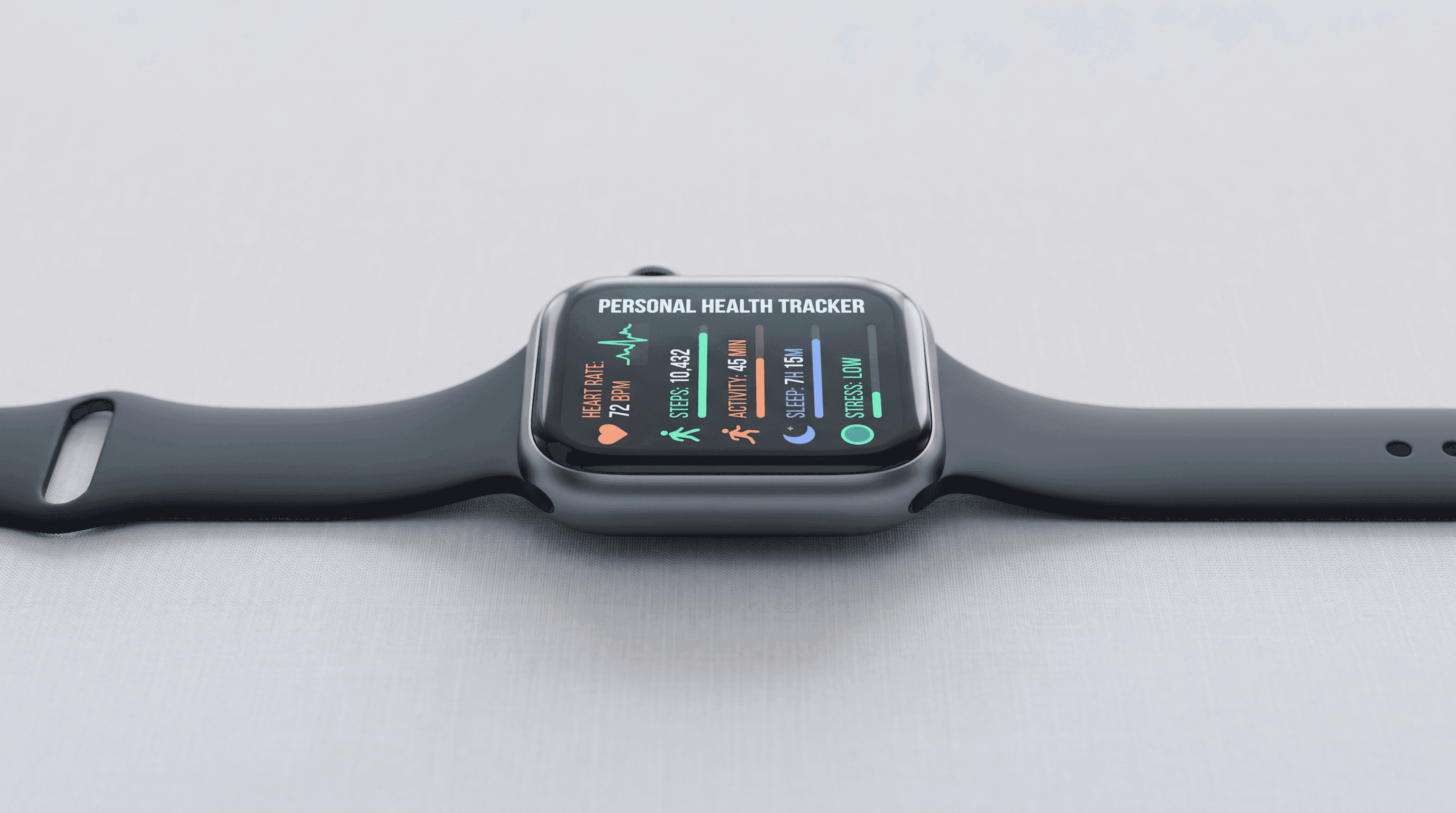
Wearable-based ECG detection has also matured considerably. The Apple Watch Series and competing smartwatches now carry FDA clearance for detecting irregular heart rhythms consistent with atrial fibrillation (AFib). AFib is the most common serious cardiac arrhythmia and a major risk factor for stroke. The ability to detect it continuously, outside of a clinical encounter, represents a genuine expansion of who gets screened and when.
Coronary plaque analysis AI, such as that used in intravascular imaging platforms, can characterize plaque composition in real time during catheterization procedures. Distinguishing stable plaque from vulnerable plaque — the type more likely to rupture and cause a heart attack — helps interventional cardiologists make more targeted treatment decisions. AI-assisted stroke risk prediction has achieved reported accuracy rates above 87% in research settings, using combinations of imaging and clinical data.
For anyone with a family history of heart problems or risk factors like elevated blood pressure or metabolic syndrome, these tools represent a meaningful shift in what proactive monitoring can look like. Patients who want to understand how cardiovascular risk connects to other conditions like hypertension can explore how hypertension, heart disease, and stroke are linked, since many of the AI screening tools described above address the same underlying risk pathway.
Oncology and Cellular Pathology
Cancer detection is where AI has generated the most research attention, and for good reason: the survival advantage of early-stage diagnosis in most cancers is substantial.
In breast cancer, AI-assisted mammography has now been validated in prospective trials, not just retrospective analyses. The Google Health Nature study referenced earlier found that AI outperformed the average of two radiologists reviewing the same images, with a reduction in both false negatives (missed cancers) and false positives (unnecessary callbacks).
Lung cancer AI, particularly for nodule characterization on CT scans, achieves sensitivity above 94% in detecting malignant lesions that meet size and morphology criteria. The clinical value here is in triaging incidental findings: when a lung nodule is found on a scan ordered for another reason, AI can provide an immediate risk stratification that guides the follow-up interval.
In pathology, AI tools like Prostate Detect and similar whole-slide image analysis platforms assist pathologists reviewing biopsy tissue. One benchmark showed cancer foci identification at 99.6% accuracy on prostate biopsy slides. Pathology is a high-cognitive-load specialty with known variability between readers, and AI in this role functions as a second pass that reduces the probability of a missed finding.
Skin cancer detection AI has also advanced to clinical-grade performance. Dermatology-focused deep learning models trained on dermoscopy images have matched board-certified dermatologist accuracy in identifying melanoma versus benign pigmented lesions in controlled evaluations, according to research published in JAMA Dermatology.
Digital Biomarkers and Wearables
The idea of "always-on" health monitoring has moved from concept to FDA-regulated reality.
Digital biomarkers are measurable physiological signals captured continuously by wearable devices and analyzed by AI algorithms to infer health status or flag potential illness. Heart rate variability (HRV), skin temperature, respiratory rate, blood oxygen saturation, and movement patterns are among the most studied digital biomarker streams.
In 2024 and 2025, researchers demonstrated that combinations of wearable biosignals — particularly HRV trends and subtle skin temperature changes — could predict the onset of influenza-like illnesses approximately 48 hours before symptoms became apparent. This kind of pre-symptomatic detection has obvious relevance for infection control and for individuals who need to protect immunocompromised family members.
Sepsis prediction using continuous wearable monitoring has also been investigated in hospital settings. Sepsis, a life-threatening immune response to infection, is one of the most time-sensitive conditions in emergency medicine. AI models that flag the early biosignal signature of sepsis before hemodynamic deterioration begins can compress the window between recognition and treatment.
The January 2026 FDA guidance update on wellness devices and AI health software is worth understanding for consumers. The guidance clarified the distinction between wellness-tracking devices and medical-grade diagnostics. Consumer wearables that track HRV or sleep are not the same as FDA-cleared diagnostic tools — they can surface signals worth discussing with a clinician, but they do not replace a medical evaluation. Devices with specific FDA clearance for diagnostic functions, such as ECG-based AFib detection, carry a different regulatory status.
Neurodegenerative Disease Prediction
Neurological diseases like Alzheimer's and Parkinson's have historically been diagnosed late, often years after significant irreversible brain changes have already occurred. AI is starting to change that window.
For Alzheimer's disease, retinal scanning has emerged as a non-invasive proxy for neurodegeneration. The retina shares embryological origin with the brain and reflects many of the same vascular and cellular changes associated with Alzheimer's pathology. Companies like RetiSpec and Mediwhale have developed AI platforms that analyze retinal images for biomarkers associated with amyloid burden and neurodegeneration. This approach is appealing because a retinal photograph is faster, cheaper, and less invasive than a PET scan or lumbar puncture.
Blood-based biomarker AI is also advancing rapidly. The Alzheimer's Association's 2024 updated diagnostic criteria now incorporate blood biomarkers, including phosphorylated tau proteins, as part of the diagnostic framework. AI tools that analyze these biomarker patterns from routine blood draws are being validated in clinical trials, with the goal of identifying preclinical Alzheimer's risk before cognitive symptoms appear.
For Parkinson's disease, voice and gait analysis AI has shown promise in detecting subtle motor changes that precede clinical diagnosis. Parkinson's causes characteristic micro-tremors in voice production and small but measurable irregularities in walking rhythm that can be identified by algorithms years before neurological examination would flag them. A 2025 study showed that voice biomarker AI achieved meaningful predictive accuracy for Parkinson's onset in a prospective cohort, using recordings made during routine speech tasks.
The clinical significance of early neurodegenerative detection is growing specifically because the treatment landscape is shifting. With disease-modifying therapies for Alzheimer's now in clinical use in the United States, earlier identification translates to a longer window for intervention, which is precisely when these treatments have the most effect.
Ethics, Federated Learning, and Data Privacy
A reasonable question about any AI health tool is: where does the patient data go, and who controls it?
Most clinical AI systems require large amounts of training data, which historically meant aggregating patient records in central databases. That raises real concerns about data breach risk, re-identification, and the terms under which health data is shared with technology companies. These concerns are not hypothetical — there have been high-profile examples of health data handled in ways patients did not expect.
Federated learning addresses this problem through a different architecture. In a federated learning framework, the AI model is sent to where the data lives (a hospital, a device, a local server) and trains on that data without the underlying records ever leaving the local environment. Only the model's updated parameters, which carry no patient-level information, are transmitted back to a central system. The result is a model that improves from large, diverse datasets without centralizing sensitive information.
Edge AI extends this concept to individual devices. Wearables and in-hospital monitoring systems that run AI inference locally, on the device itself, rather than uploading data to the cloud, represent a privacy-protective architecture for continuous monitoring. The January 2026 FDA guidance touched on this distinction when addressing AI health software operating on mobile and wearable platforms.
Algorithmic bias is a separate but equally pressing issue. AI models trained predominantly on data from white male patients have demonstrated measurably lower performance on women and non-white populations. A model with 94% accuracy in a homogeneous training dataset may perform substantially worse in a more diverse patient population. Responsible AI deployment in healthcare requires prospective evaluation of performance across demographic subgroups, not just headline accuracy figures. Clinicians evaluating AI tools for adoption should ask vendors specifically about subgroup performance data.
Accuracy, Limitations, and the Human-in-the-Loop
AI disease detection genuinely outperforms unassisted human review in several specific, narrow tasks. In radiology triage, ECG anomaly flagging, and polyp detection during colonoscopy, the evidence supports performance at or above specialist accuracy. That is worth stating plainly.
But "AI outperforms doctors in task X" is not the same as "AI should replace doctors." Every benchmark cited in this article reflects performance on a defined task with a defined input type, often under controlled conditions. Clinical medicine involves ambiguity, context, patient history, and values that no current AI system integrates fully.
A 2025 comprehensive review in the Annals of Medicine and Surgery described the current state of the field accurately: AI in diagnostics functions best in a human-in-the-loop model, where algorithmic outputs are reviewed, contextualized, and acted upon by a clinician. The AI's role is to extend what a physician can see, particularly across volume and speed, not to render independent clinical judgment.
False positives are a real cost. An AI system flagging a lung nodule as suspicious leads to follow-up imaging, sometimes biopsy, and the anxiety that comes with an ambiguous finding. Optimizing for sensitivity without managing specificity creates downstream harms. The best clinical AI tools are evaluated for both.
For patients who receive an AI-generated screening alert or flag from a wearable device, the appropriate next step is always to review it with a clinician. If access to a specialist is difficult, a virtual primary care visit can provide a structured review of what the finding means and whether further evaluation is warranted.
Regulation and What's Changing in 2026
The regulatory environment for AI medical devices is more active right now than at any point in the past decade.
The FDA had cleared more than 1,250 AI-powered medical devices as of July 2025, up from approximately 692 in late 2023. That growth reflects both the maturation of the technology and the FDA's development of clearer frameworks for reviewing software as a medical device (SaMD). The FDA's Pre-Submission program allows developers to engage with reviewers before formal submission, which has accelerated the pipeline for well-designed tools.
The January 2026 FDA guidance update addressed wellness devices and AI health software specifically, clarifying which AI-powered consumer tools fall under regulatory oversight and which are classified as general wellness products. The distinction matters for consumers evaluating wearables: a device marketed for wellness is not subject to the same evidence requirements as one cleared for a specific diagnostic function.
On the international side, the EU AI Act's full compliance deadline for high-risk AI systems, including medical diagnostics, arrives in August 2026. European health systems deploying AI diagnostic tools will need to demonstrate conformity with requirements around transparency, human oversight, data governance, and post-market monitoring. US-based developers with EU market ambitions are already adjusting their documentation and risk management frameworks to meet these requirements.
For clinicians evaluating AI tools for adoption, the relevant framework is the FDA's Software as a Medical Device (SaMD) classification. Tools intended to inform or support clinical diagnosis are subject to different requirements than tools that merely present data. The distinction between "clinical decision support" and "autonomous AI diagnostics" is still being refined in regulatory guidance, and staying current with FDA communications is part of responsible tool evaluation.
What This Means for Patients and Clinicians Right Now
For patients, the practical landscape in 2026 looks like this. Several FDA-cleared AI diagnostic tools are already in clinical use, meaning a radiologist reviewing a scan may be using AI assistance without that being explicitly communicated. Patients who want to understand whether AI is part of their diagnostic workflow can ask their care team directly. Consumer wearables with FDA-cleared diagnostic functions, such as ECG-based AFib detection on certain smartwatches, provide a real monitoring capability, but findings from those devices should be reviewed with a clinician before any medical decision is made.
Questions worth asking a doctor about AI screening results include: what is the false positive rate for this tool in my demographic group, what is the follow-up protocol if something is flagged, and how does this result change the clinical picture alongside my history and other test results.
For clinicians, the key standards to reference when evaluating AI tools are the FDA's SaMD framework and, for any AI algorithm claiming diagnostic support, the published subgroup performance data. The field is moving quickly, and peer-reviewed publications in journals like JAMA, The Lancet, and Nature Medicine provide the most reliable benchmarking data.
The direction of travel in AI disease detection is toward integration: tools that combine imaging findings with genomic data, electronic health record patterns, and continuous biosignal monitoring to produce a more complete picture of risk. Multimodal AI, which draws on multiple data types simultaneously, is the current research frontier, and early results suggest it substantially outperforms single-modality models.
For anyone wanting to explore symptoms, understand what a screening result might mean, or learn more about their personal health indicators before or after a clinical visit, you can use Momentary's AI health navigator to get personalized, evidence-based guidance on your next steps.
Frequently Asked Questions
How accurate is AI compared to human doctors?
AI outperforms unassisted human review in specific, well-defined tasks such as radiology triage, ECG anomaly detection, and polyp identification during colonoscopy. In broader clinical contexts involving ambiguous presentations, patient history, and clinical judgment, human physicians remain the required decision-maker. The most effective model is AI and physician working together, not one replacing the other.
What types of diseases can AI detect?
Current AI disease detection tools have demonstrated clinical-grade or near-clinical-grade performance across cancer (breast, lung, colon, prostate, skin), cardiovascular conditions (AFib, left ventricular systolic dysfunction, coronary artery disease), neurological conditions (Alzheimer's preclinical markers, Parkinson's motor biomarkers), diabetes-related retinopathy, and infectious disease biomarkers. The breadth of application continues to expand as more training data becomes available.
How does AI improve early detection?
AI identifies sub-visual patterns in imaging, lab data, and biosignals that fall below the threshold of human perception or would require significant time to identify manually. By analyzing these patterns across large training datasets, AI can flag risk or early pathology at a stage when the clinical window for effective intervention is still open.
Is my health data safe and private in AI healthcare?
Privacy protections vary by tool and deployment. Federated learning architectures, now used by some clinical AI platforms, allow model training on local data without transmitting patient records to central servers. Consumer wearables transmit data to cloud platforms, and users should review the privacy policies of any device or application. FDA-cleared medical devices are subject to data security requirements, though these vary. Asking your healthcare provider how AI tools in their system handle patient data is a reasonable and appropriate question.
References
- Baklola M, et al. Annals of Medicine and Surgery (2025) — Comprehensive narrative review of AI in disease diagnostics, cited for diagnostic error statistics and AI accuracy benchmarks.
- Alkhanbouli R, et al. BMC Medical Informatics and Decision Making (2025) — Systematic review of explainable AI in disease prediction, cited for physician AI adoption rates and predictive model performance.
- Bartl-Pokorny KD, et al. Frontiers in Digital Health (2024) — Review of AI for disease detection, cited for context on AI in vulnerable and specialized populations.
- Google Health / Nature (2025) — AI mammography study benchmarking AI performance against radiologist reads, cited for breast cancer detection accuracy.
- Alzheimer's Association — 2024 Updated Diagnostic Criteria — Updated Alzheimer's diagnostic framework incorporating blood biomarkers, cited for preclinical detection context.
- Mayo Clinic — AI ECG Research — Research on ECG-based AI detection of silent left ventricular systolic dysfunction, cited for cardiovascular AI benchmarks.


