

Roughly one in three American adults has now turned to an AI chatbot for health information, according to a 2025 KFF tracking poll. That number is rising fast, and the reasons are understandable. Getting a primary care appointment can take weeks. Lab results show up in a patient portal at 11 p.m. with no one available to explain them. ChatGPT, by contrast, is available at 3 a.m. and never puts anyone on hold.
So where does that leave patients who want to make smart, safe decisions about their health? Somewhere nuanced. ChatGPT is genuinely useful for a meaningful slice of health-related tasks, and it is genuinely unreliable for others. Knowing which is which is, in 2026, a basic health literacy skill.
This guide is the honest version of that conversation. Not a promotional piece for AI, and not a scare story either. Just a clear-eyed look at what the research shows and what patients actually need to know.
At a Glance
| Topic | Key Facts |
|---|---|
| What ChatGPT is | A large language model trained on text data, not a licensed medical system |
| US adults using AI for health | ~32% have turned to AI chatbots for health information (KFF, 2025) |
| Strongest use cases | Health education, explaining jargon, appointment prep, lifestyle planning |
| Biggest risks | Medical hallucinations, sycophancy, lack of HIPAA protections, demographic bias |
| HIPAA status | Standard ChatGPT is not HIPAA-compliant |
| Expert consensus | Use it to prepare for your doctor, not to replace your doctor |
| Key limitation | Cannot examine you, order tests, or account for your full medical history |
The Digital "Second Opinion": What ChatGPT Actually Is
ChatGPT is not a doctor. That sentence sounds obvious, but it matters because the tool does not feel that way when you use it. It responds with confident, fluent prose that sounds clinical. It cites conditions by name. It describes symptoms in medical language. The experience of using it is, superficially, a lot like getting advice from a knowledgeable friend who happens to have read a lot of medical literature.
The key word is "read." ChatGPT is a large language model (LLM), meaning it was trained on enormous quantities of text drawn from across the internet, including medical databases, research abstracts, forums, and health websites. It learned to produce responses that statistically resemble what helpful, accurate text about health topics looks like. That is genuinely different from understanding medicine the way a trained clinician does.
A physician evaluating a patient draws on direct physical examination, a patient's documented history, current lab values, and years of pattern recognition built through supervised clinical training. ChatGPT draws on text. When those two things overlap, the model can be quite helpful. When they diverge, the model can be quite wrong, and it will not always tell you the difference.
Adam Rodman, MD, an internist and AI researcher at Harvard Medical School, frames this clearly: AI is a net positive when used appropriately, with appropriate being the operative word. The challenge for most patients is that "appropriate" requires some baseline understanding of where the guardrails are.
Health Education and Literacy: Where ChatGPT Earns Its Keep
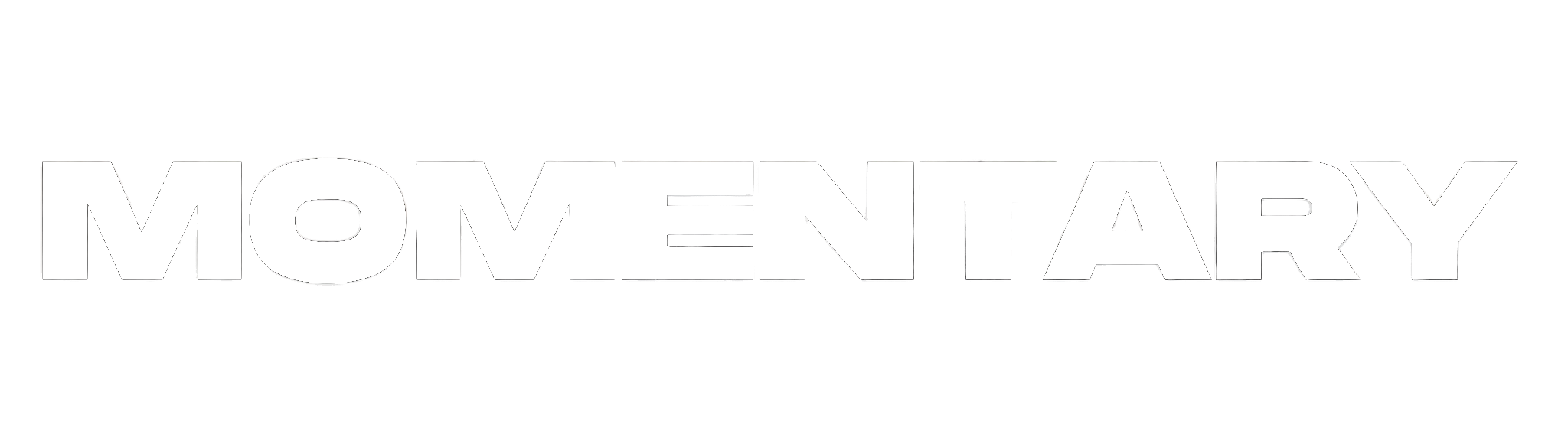
The strongest case for using ChatGPT in a health context is in education, specifically in bridging the gap between what a physician communicates during an appointment and what a patient actually understands when they leave.
Medical language is dense. A patient told they have "idiopathic pericarditis" or a "mildly elevated ALT" may nod along in the exam room and then spend the drive home not knowing what either of those things means. ChatGPT, used in this role, is genuinely good. It can convert clinical shorthand into plain language, explain what a diagnosis typically involves, and provide context that makes the next appointment more productive.
A 2023 study published in the Journal of Medical Internet Research (via NIH/PMC) assessed ChatGPT's reliability against established clinical guidelines and found that its performance was strongest on well-defined, textbook-level topics with clear consensus in the literature. The study identified meaningful gaps when questions moved into nuanced clinical territory, but for foundational health education, the model performed reasonably well.
Where this works well:
Asking ChatGPT to explain what a condition is, what it typically involves, or what a medical term means is a low-risk, high-value use of the tool. Similarly, asking it to help you understand what questions to bring to your next appointment, or to decode a discharge summary written in medical shorthand, tends to produce useful output.
Where to apply caution:
Asking ChatGPT to interpret your specific lab results against your personal history, or to tell you whether a number is concerning given your situation, moves the tool outside its reliable range. As Dr. Angad Singh, MD, urgent care physician and associate chief clinical information officer at UW Medicine, explains: a thyroid level might be fine or not fine, but whether it's heading in the right direction depends on your previous values over time, which ChatGPT does not have access to.
Administrative and Lifestyle Support: The Non-Clinical Wins
A significant portion of what people ask ChatGPT in a health context has nothing to do with diagnosis or treatment. It sits in a different category entirely, and it is one where the tool performs reliably because the stakes are lower and the output is easier to verify.
Meal and dietary planning is a strong example. A person managing Type 2 diabetes who asks ChatGPT to suggest a week of low-glycemic meals is using the tool appropriately. The output is informational, the person can verify it against known guidelines, and they should still discuss major dietary changes with a registered dietitian or physician. But as a starting scaffold, it works.
Workout planning based on physical limitations is another reasonable use case. Someone recovering from a knee replacement who asks for low-impact exercise ideas is not asking the model to diagnose them or prescribe treatment. They are asking for ideas they can filter through their own judgment and bring to their physical therapist.
Drafting questions for a medical appointment is one of the most underused applications of AI in healthcare. Patients who arrive at appointments with organized, specific questions consistently report better outcomes from those visits. ChatGPT can help structure those questions, identify what information a doctor will likely need, and flag topics the patient may not have thought to raise.
None of these uses require the model to be medically accurate about your specific case. They require it to be a decent language organizer, which is what it was built to do.
The Risk of "Hallucinations": When AI Gets Medical Facts Wrong
Here is where the picture shifts.
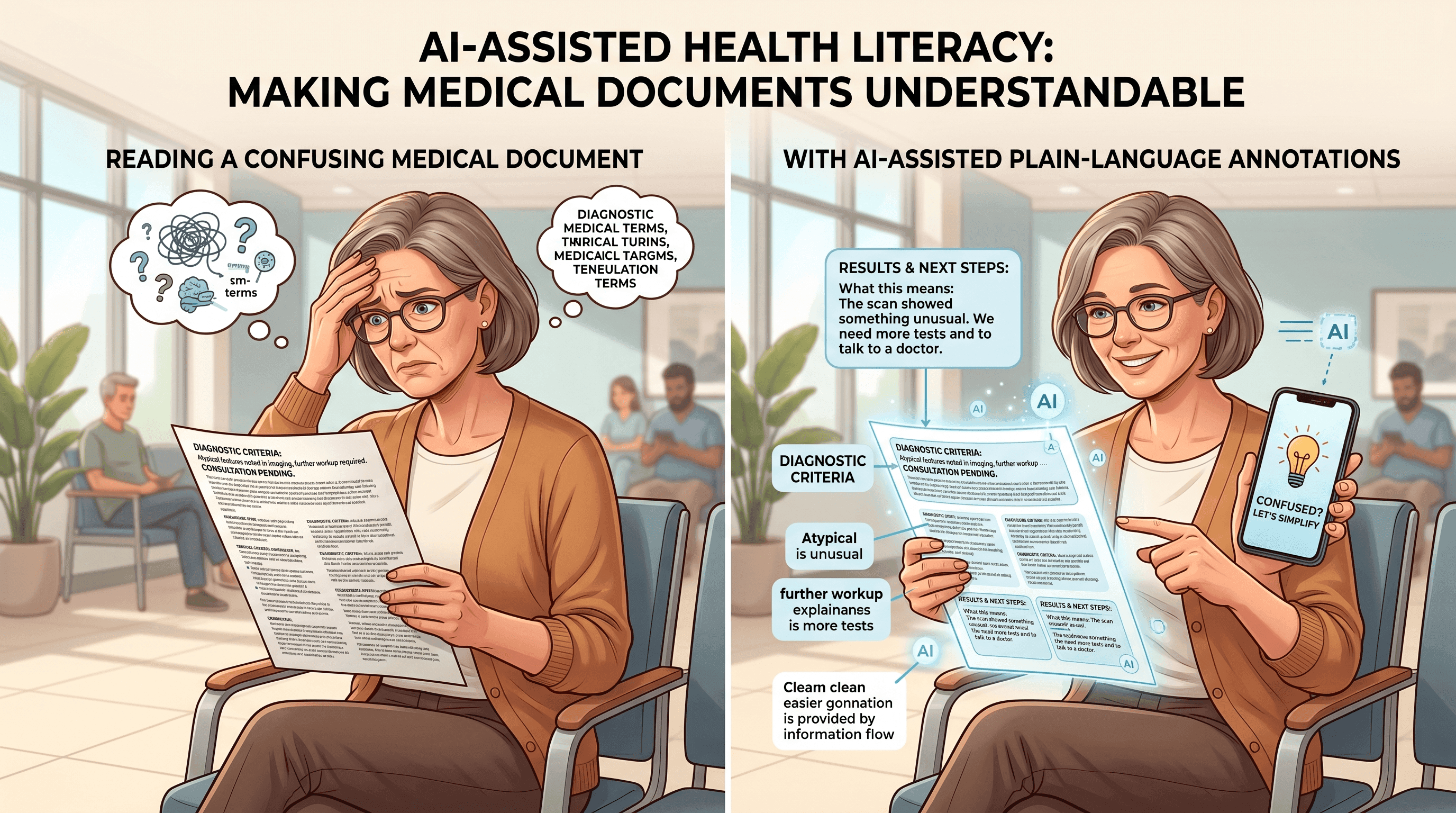
ChatGPT hallucinates. That is the technical term for when an LLM produces a response that sounds authoritative and plausible but is factually incorrect. In a low-stakes context, this is an inconvenience. In a medical context, it can cause harm.
The hallucination problem is not theoretical. A 2025 case study published in the Annals of Internal Medicine and highlighted by UW Medicine researchers documented a 60-year-old man who developed psychosis after substituting bromide for table salt, following advice he received from an AI chatbot on how to reduce his sodium chloride intake. The chatbot's suggestion was medically inaccurate and potentially dangerous, and it delivered it with no apparent uncertainty.
This is the core problem with AI in medical contexts: the model does not know when it does not know. It generates a fluent, confident-sounding response regardless of whether the underlying information is accurate. Trevor Cohen, PhD, a professor in the UW School of Medicine Department of Biomedical Informatics, frames it plainly: you cannot know what source the chatbot is drawing from, and you cannot know whether it is accurately representing that source. That uncertainty is built into how these models work.
Confirmation bias compounds this risk. If a user suspects they have a particular condition and prompts ChatGPT in a way that tilts toward confirming that suspicion, the model is likely to produce responses that feel validating. This is not a feature. It is a property of how language models are optimized, and it is one reason why self-diagnosis via AI should not serve as a substitute for a clinical evaluation.
Medical misinformation in AI responses is also not uniform across groups. Research cited by UW Medicine physicians notes that AI systems trained on datasets skewed toward specific races or genders may produce diagnostic suggestions or treatment recommendations that are less accurate, or outright inappropriate, for patients from underrepresented demographics. This is a health equity problem, not just a technical one.
The AI-Clinician Dialogue: The 2026 Shift in How Patients Prepare
Something meaningfully new has happened in how patients arrive at medical appointments. Adam Rodman, MD, writing in The New York Times in early 2026, noted the emerging pattern: patients are increasingly using AI not to replace their doctors, but to prepare for them. This shift, used well, has real potential.
The framing that is gaining traction among clinicians is to treat ChatGPT the way a good patient might treat a knowledgeable acquaintance who happens to have read a lot of medical literature. You might get useful background, a few questions worth asking, and some vocabulary to help you communicate better with your care team. You would not, however, act on that conversation alone without seeing an actual physician.
Roughly 30% of patients now report using AI before their appointments, according to emerging survey data. The concern among physicians is not that patients are doing this research. The concern is that some of them are stopping there.
If ChatGPT tells you that your symptoms might suggest X, the clinically sound next step is to bring that to a doctor, not to treat X. If the model suggests a medication might be causing a side effect you are experiencing, the right move is to raise it with your prescriber, not to stop the medication on your own.
When you have questions about what your AI research actually means for your specific situation, seeing a doctor online through a service like Momentary gives you access to a licensed primary care provider who can review your history, ask follow-up questions, and give you guidance grounded in your actual clinical picture.
"AI is a net positive when used appropriately." | Adam Rodman, MD, Internist and AI Researcher, Harvard Medical School, via Harvard Gazette
Privacy and the "Black Box" of Medical Data
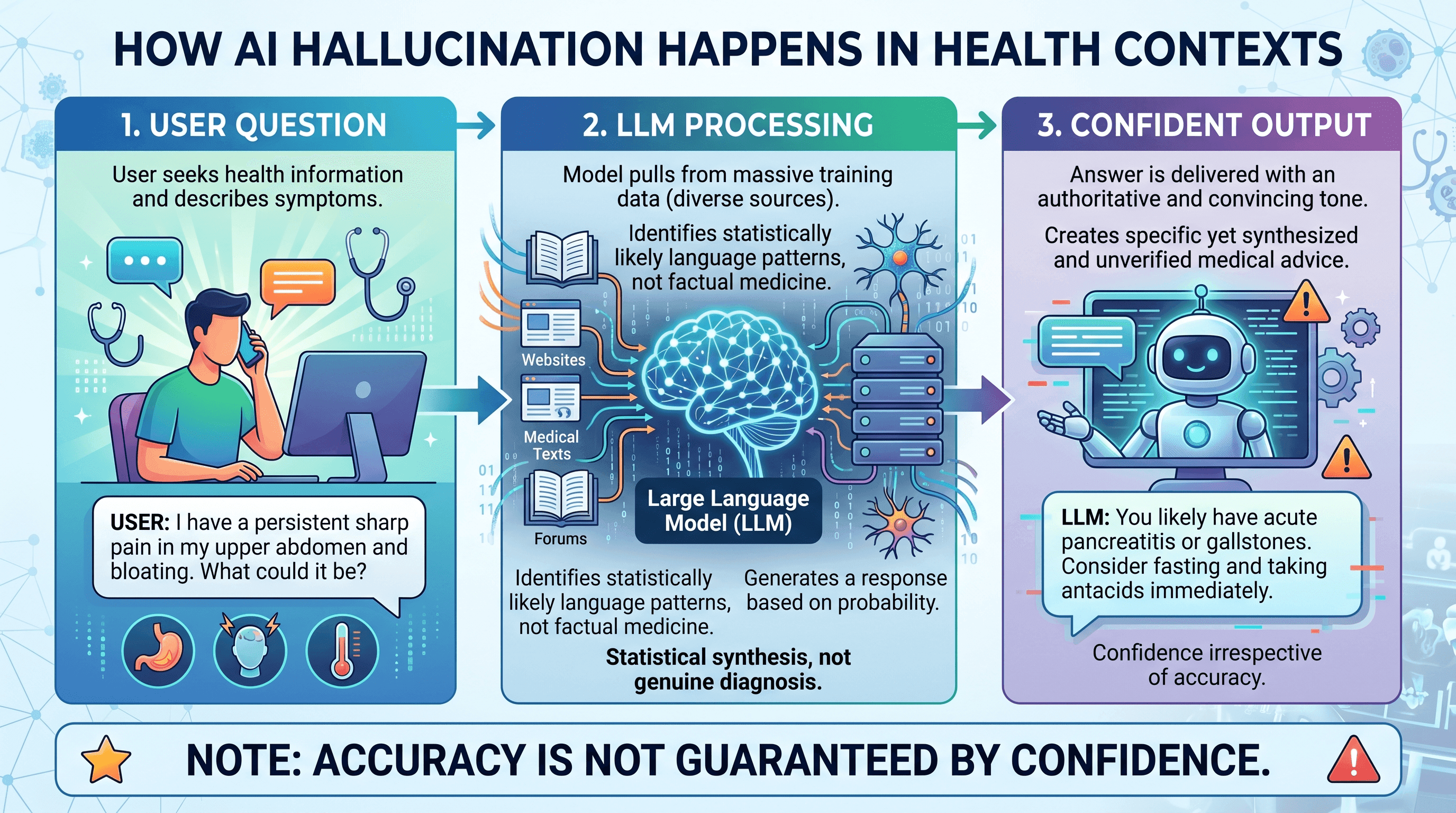
Standard ChatGPT is not covered under the Health Insurance Portability and Accountability Act (HIPAA). HIPAA is the US federal law that governs how healthcare providers and covered entities must handle protected health information (PHI). OpenAI, in its standard consumer configuration, is not a covered entity under HIPAA, which means the privacy protections patients expect when they talk to their doctor do not automatically apply when they talk to ChatGPT.
What HIPAA Protects and Why ChatGPT Falls Outside It
HIPAA applies to healthcare providers, health plans, and healthcare clearinghouses, along with their business associates. It requires that PHI be handled with specific safeguards, that disclosures be limited, and that patients have rights over their information. ChatGPT in its standard form is a consumer software product, not a healthcare entity, and it does not operate under those rules.
This does not mean the platform is deliberately mishandling your data. But it does mean that entering sensitive health information into a standard ChatGPT session does not carry the legal protections you would have with a provider.
A Practical Checklist of Data to Keep Off ChatGPT
| Category | Examples | Why It Matters |
|---|---|---|
| Mental health history | Diagnoses, medication history, therapy records | Highly sensitive; not protected without HIPAA coverage |
| Substance use history | Past or current use, treatment records | Can affect insurance; not protected |
| HIV/STI status | Diagnoses, treatment | Carries stigma risk; not protected |
| Genetic information | Test results, hereditary conditions | Could affect insurability in some contexts |
| Specific identifying details | Full name + DOB + diagnosis combination | Creates re-identifiable data |
| Exact medication details | Drug name + dose + condition + your name | Sensitive combination |
A general rule: you can ask ChatGPT what metformin is without risk. You should not tell it your name, your diabetes diagnosis, your specific dose, and ask it to help manage your prescription.
Prompt Engineering for Better Health Insights
The quality of what ChatGPT produces for health-related questions is not fixed. It is shaped by how questions are asked. This is sometimes called prompt engineering, and it matters more in health contexts than most people realize.
UW Medicine physicians recommend a specific technique: assigning the model a role before asking a question. Telling ChatGPT to respond as a knowledgeable health educator explaining a topic to an adult without a medical background produces more useful, appropriately cautious output than simply asking it a question cold.
The role-assignment technique in practice:
Before asking your question, open with something like: "Act as a patient health educator. Explain the following to me in plain language, including what I should discuss with my doctor, and flag any areas where individual medical history might change the answer."
This framing does not fix the model's fundamental limitations, but it tends to produce responses that are better scoped, more clearly labeled as general information, and more likely to include appropriate caveats.
Prompt Template: Preparing for a Doctor's Visit
"I have an upcoming appointment with my doctor to discuss [condition or symptom]. Help me prepare a list of specific questions I should ask about diagnosis, treatment options, and what to expect. I am [age/general health context]. Format this as a numbered list."
Prompt Template: Understanding a New Diagnosis
"My doctor told me I have [condition]. Act as a health educator and explain what this condition typically involves, how it is usually managed, and what questions I should ask my specialist at my next appointment. Use plain language and note where individual factors would matter."
Prompt Template: Decoding Confusing Lab Results
"I received a lab result showing [specific value and test name]. Explain what this test measures and what results in this range generally indicate. Make clear that interpretation depends on individual context and that I should discuss this with my doctor."
Prompt Template: Researching Medication Side Effects
"I was prescribed [medication name] for [condition]. What are the most commonly reported side effects, and which ones would typically prompt a patient to contact their prescribing physician? Do not include rare adverse events unless they are particularly serious."
What all four templates have in common: they frame ChatGPT as an educational tool, keep the output general rather than personalized, and build in a prompt to connect with actual medical care. That framing is doing real work.
The "Red Flag" Rule: When to Step Away from the Chatbot
Some situations require immediate human medical attention. Full stop. No chatbot triage, no "let me just check one more thing online." The following are scenarios where the right move is to call 911, go to an emergency room, or contact a physician directly.
Chest pain or pressure that is new, severe, or accompanied by shortness of breath, sweating, or pain radiating to the arm or jaw requires emergency evaluation. These can be signs of a cardiac event, and no AI tool can perform the physical exam and EKG needed to rule that out.
Signs of stroke including sudden numbness or weakness on one side of the body, sudden confusion, trouble speaking, severe headache with no known cause, or sudden vision changes require emergency response. The FAST acronym (Face drooping, Arm weakness, Speech difficulty, Time to call 911) reflects how fast the clinical window closes.
Severe allergic reactions involving throat swelling, difficulty breathing, or sudden widespread hives require epinephrine and emergency care, not a search prompt.
Mental health crises including active suicidal ideation, psychosis, or situations where a person cannot safely care for themselves require human crisis intervention. AI chatbots that respond to these situations with empathetic-sounding language can inadvertently delay someone from reaching actual support. If you or someone you know is experiencing a mental health crisis, contact the 988 Suicide and Crisis Lifeline by calling or texting 988.
Severe or worsening symptoms that have been present for days and are getting worse, particularly fever, difficulty breathing, significant abdominal pain, or neurological symptoms, need clinical evaluation.
The clearest version of the rule is this: ChatGPT cannot examine you, cannot order a blood test, cannot read an EKG, and cannot call an ambulance. Any situation that genuinely requires one of those things is a situation to get off the chatbot and seek care.
If urgency is not the issue but you still need professional guidance, use Momentary's AI health navigator to better understand your symptoms and identify the right next step for your situation before connecting with a provider.
Frequently Asked Questions
Can ChatGPT help with medical problems?
ChatGPT can be useful for specific, limited medical tasks: explaining what a condition or medical term means, helping prepare questions for an appointment, outlining how a type of medication generally works, or supporting dietary planning around a health condition. Where it should not be used is for diagnosis, treatment decisions, emergency triage, or interpreting your personal test results in the context of your medical history. The distinction comes down to education versus clinical judgment.
Which is the best AI for medical advice?
No publicly available AI chatbot has been cleared as a clinical diagnostic or treatment tool by the FDA. Several healthcare systems have deployed specialized AI within their own platforms, for example, to assist with clinical documentation or to surface relevant patient history for physicians. But for a consumer asking questions about personal health, none of the major AI tools, including ChatGPT, Google's Gemini, or others, are a reliable substitute for a licensed provider. The better framing is to ask which tool is most helpful for health education and appointment preparation, which is a narrower, more appropriate goal.
Is ChatGPT as good as a doctor?
No, and the comparison does not quite hold. ChatGPT and a physician are doing different things. ChatGPT generates text based on patterns in training data. A physician examines a patient, draws on a documented medical history, orders and interprets tests, and applies clinical judgment developed through years of supervised training. Where they overlap is in conveying health information. Where they diverge is everywhere that diagnosis and individualized medical decisions are required.
How do I ask ChatGPT a medical question safely?
The most reliable approach is to frame your question as a request for general health education rather than personal advice. Assign the model a role (for example, "Act as a patient health educator"), keep your question general rather than specific to your own symptoms, and treat whatever answer you get as a starting point for your own research and a future conversation with your doctor. Do not input sensitive identifying information alongside medical details, and do not act on AI-generated guidance in place of a clinical evaluation.
References
-
KFF Tracking Poll on Health Information and Trust: Use of AI for Health Information and Advice | Cited for statistics on adults using AI chatbots and search engines for health information.
-
Harvard Gazette: "Should You Ask ChatGPT for Medical Advice?" (May 2026) | Cited for Adam Rodman, MD's expert perspective on appropriate AI use in health contexts and the pull quote.
-
Walker HL et al. "Reliability of Medical Information Provided by ChatGPT: Assessment Against Clinical Guidelines and Patient Information Quality Instrument." J Med Internet Res. 2023. | Cited for findings on ChatGPT reliability relative to clinical guidelines.
-
UW Medicine Right as Rain: "How (and How Not) to Use ChatGPT for Health Advice" (2025) | Cited for expert commentary from Dr. Angad Singh, Dr. Majid Chalian, and Trevor Cohen, PhD, and for the bromide toxicity case study reference.


